Project · 2017 · Pisa · Automatically translated from Italian
UNESCO & 120g: Pisa Fuori Campo
A series of workshops will be held with students from schools in Pisa to create a community map that can showcase a “different” perspective on the city.
We met wonderful people and established simple, immediate connections, just the way we like it. When Francesca contacted us, all she knew about us was that “we were good,” and all we knew about her was that her name was Francesca. That was it. A casual conversation in Piazza Santa Caterina, with a laptop on our laps, opened the door to a truly unique experience.
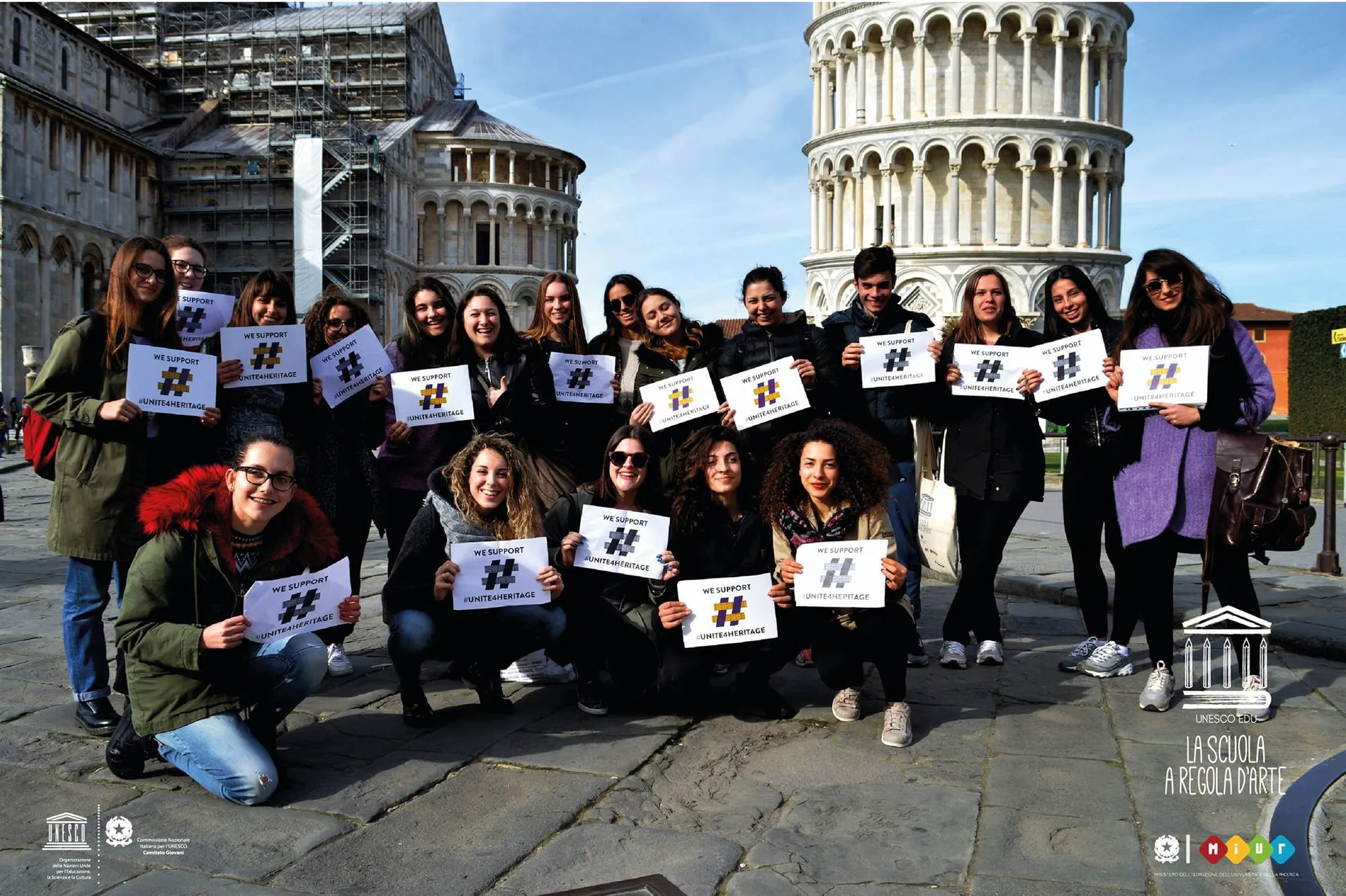
The UNESCO Youth Committee is a group of young people from diverse backgrounds and disciplines, united by their passion for the world around them. The committee’s focus is clearly guided by the founding principles of protecting and developing the cultural heritage of the entire world. The committee has representatives in every region, and we were contacted by the group from Tuscany, which includes outstanding individuals like Alice, Chiara, Massimo, and many others. It was a great honor for us to work with such passionate and talented people, and we are eagerly awaiting the next opportunity to join the Tuscan committee.
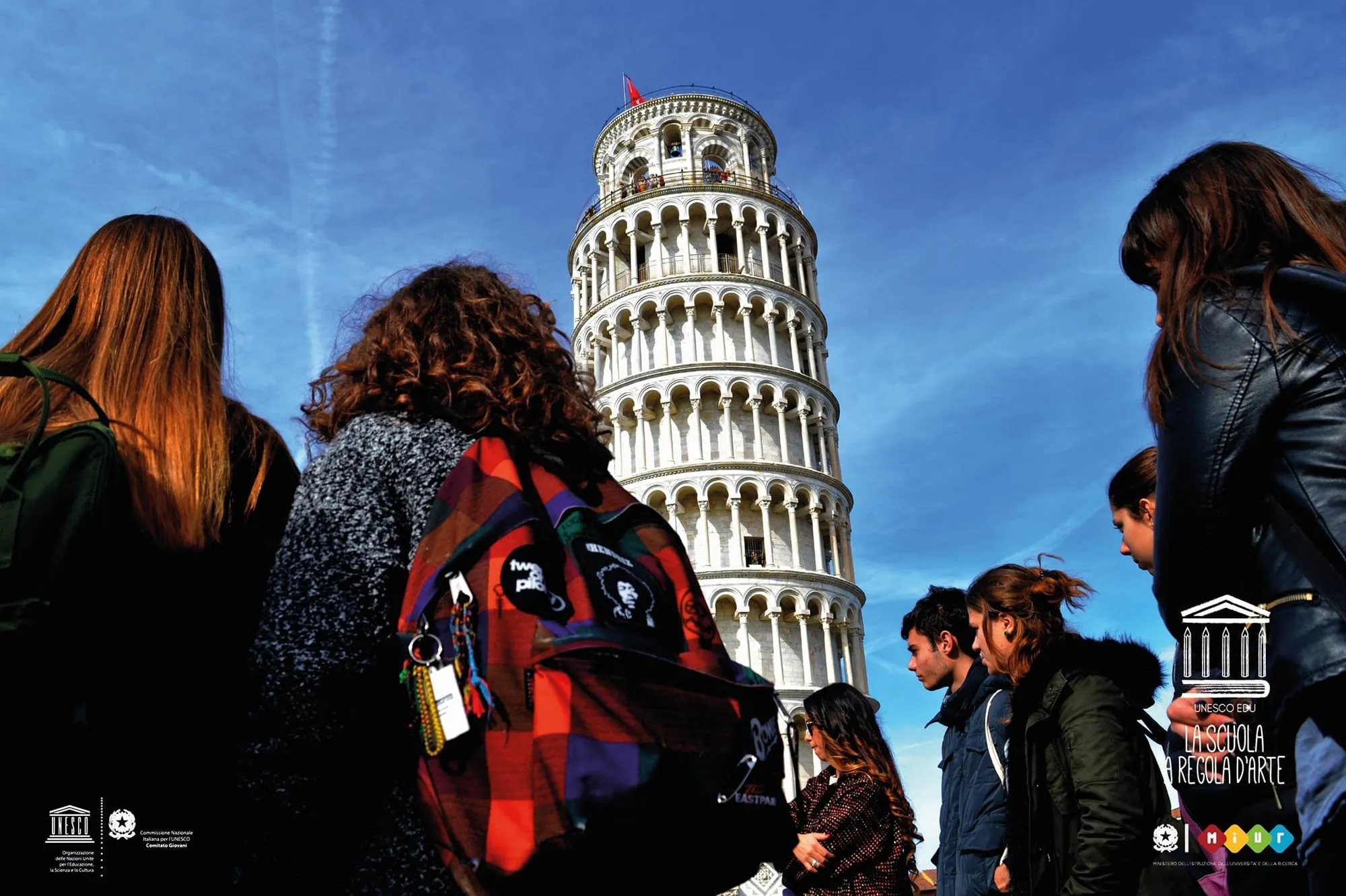
The Pisa Fuori Campo project was created within the UNESCO Edu national program, which aims to promote sustainable development of the territory and society, starting with the “educational” sector by collaborating with students of all ages. A fundamental theme of the project is cultural diversity, understood as a source of innovation and creativity necessary for the material and immaterial development of humanity. This leads to the structure of the project: a series of workshops and meetings with students from schools in Pisa, guiding them on a non-traditional journey of discovery of the city they live in. The concrete goal is to create a community map that can showcase a different Pisa to young people and friends, as well as to tourists who flock to the Piazza dei Miracoli every day and may miss much of the richness hidden in the less well-known streets.
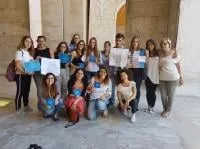
The working group is composed of representatives from the UNESCO Youth Committee of Tuscany, the LaAV “Read Aloud” association, the Sconfinando association, and the 120g association. It is being developed in collaboration with the Municipality of Pisa, specifically with the Department for Educational Policies and the “Walking in the City” tourist information office. However, the key ingredient is the participation of 16 students from the Carducci High School and the Santoni Institute, who, with the excellent support of a team of passionate teachers, have developed the project with overwhelming enthusiasm.
Our role, and our ambition, was to teach these students how to design. We were committed to introducing them to a design process that was anything but simple, a process that involved understanding the characteristics of a territory, critically evaluating them, selecting and reinterpreting information, creating a graphic and communicative layout, and, where possible, physically realizing the product. We provided them with the tools, both physical and intellectual, necessary for the holistic approach that the project demanded. We supported them, guided them, enjoyed working with them, and we hope that we have left them with something of our own: a passion for design.
The final product was the aforementioned community map, the “Pisa Community Diversity Map”.
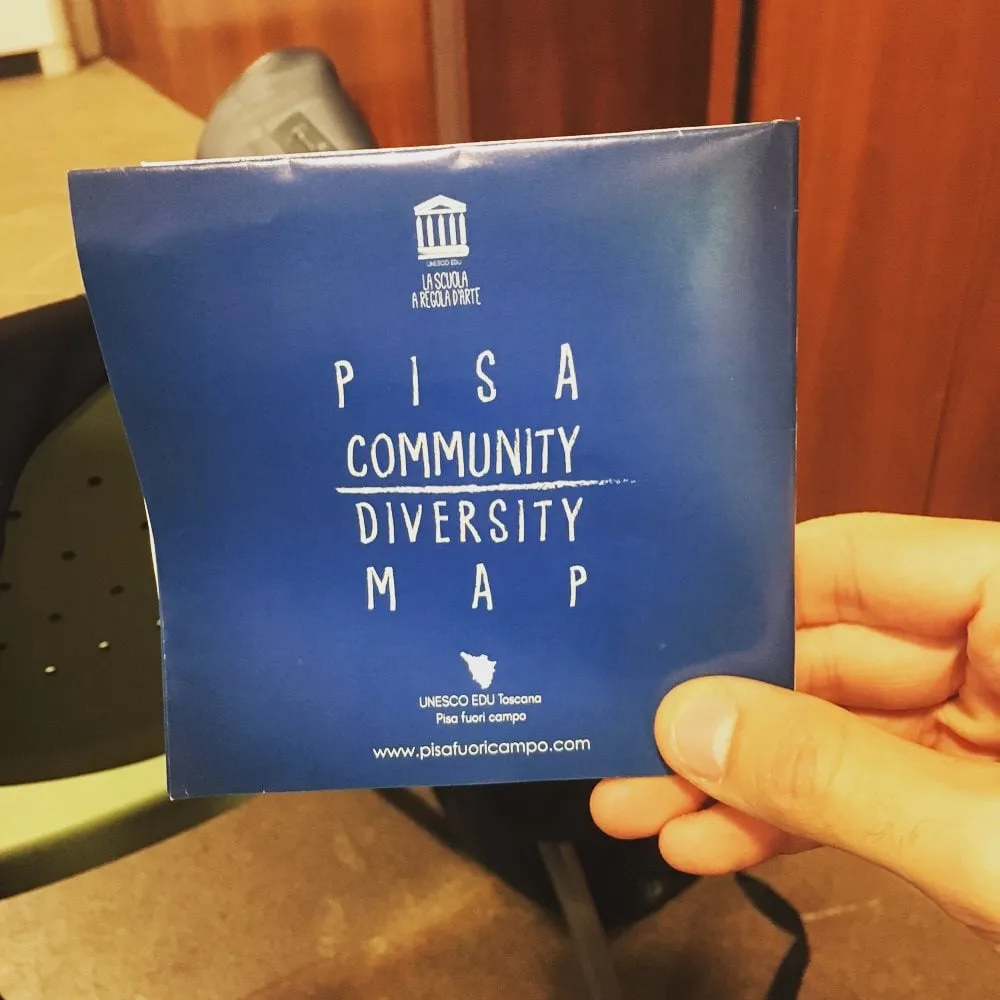
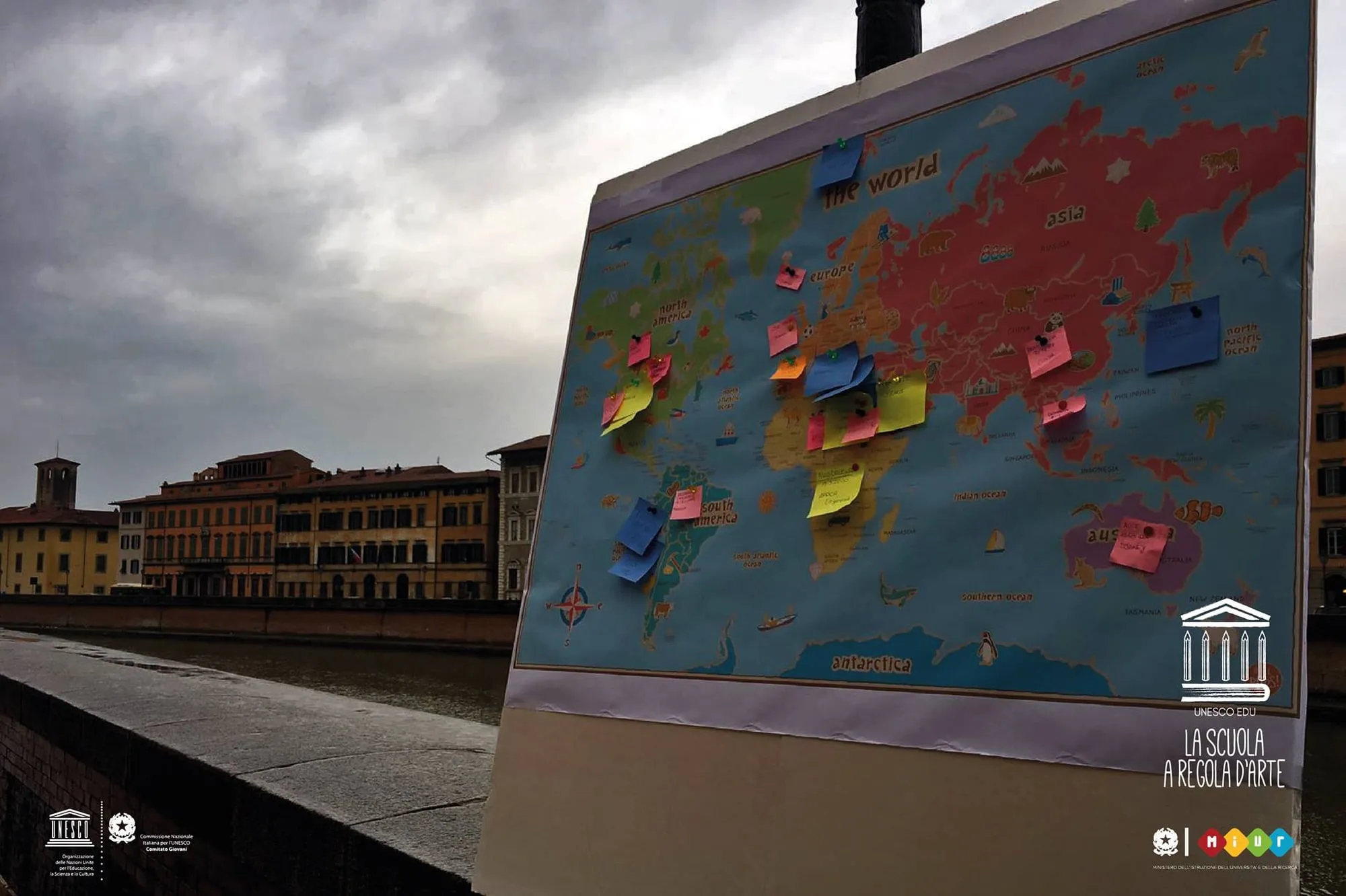
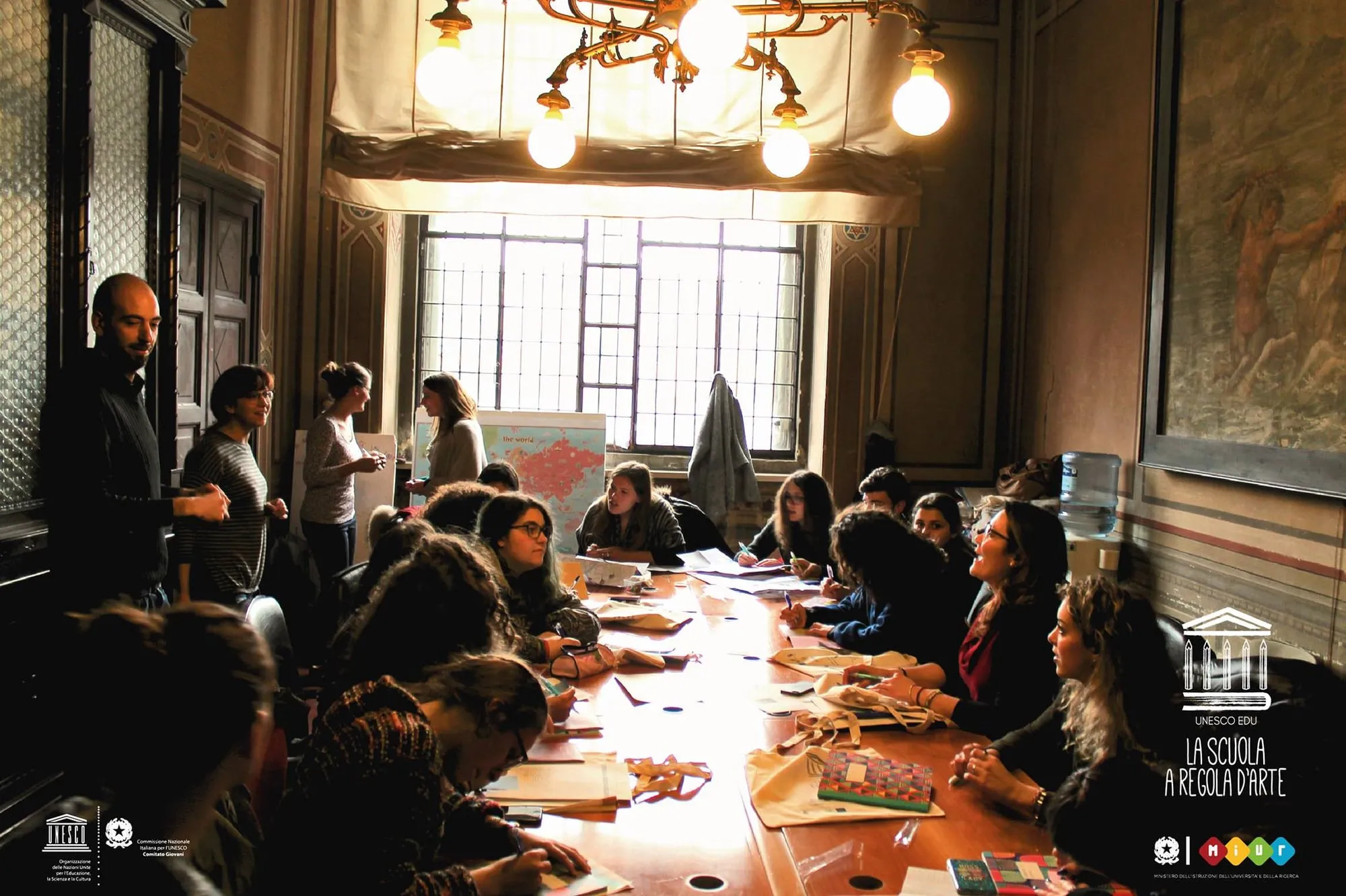
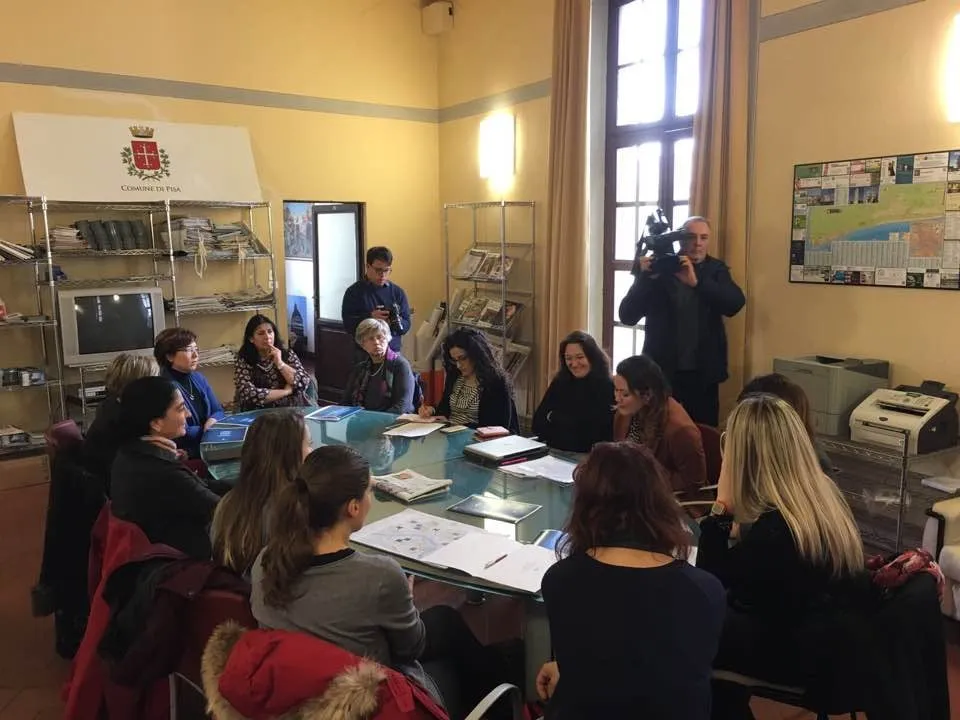
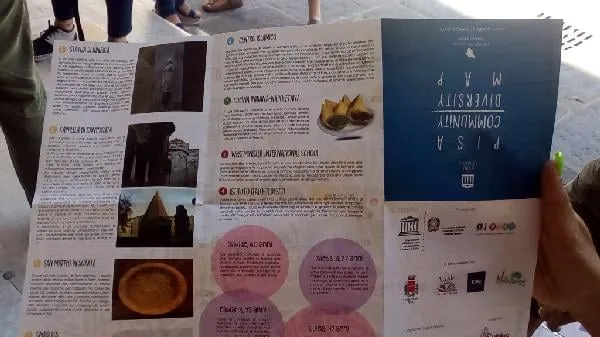
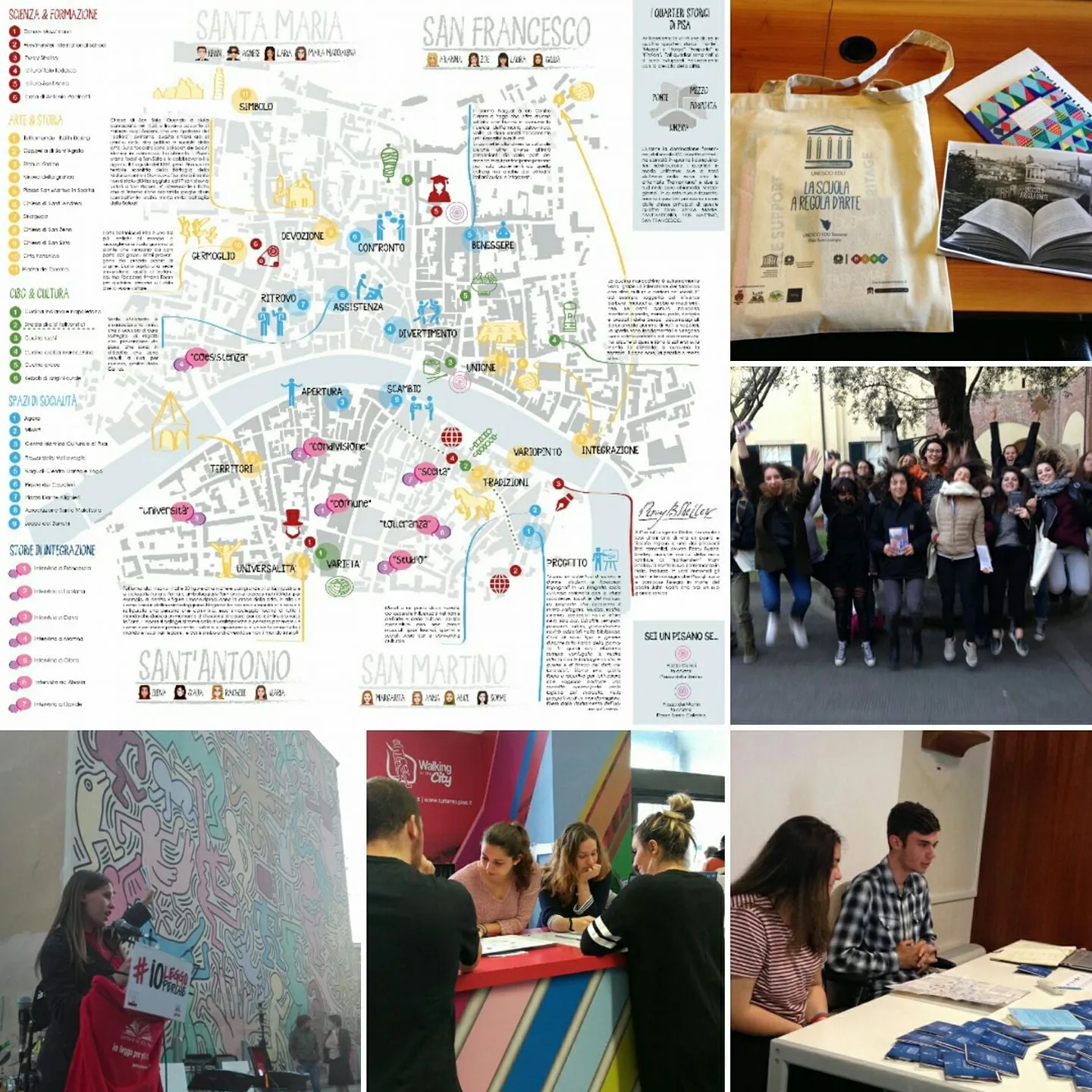
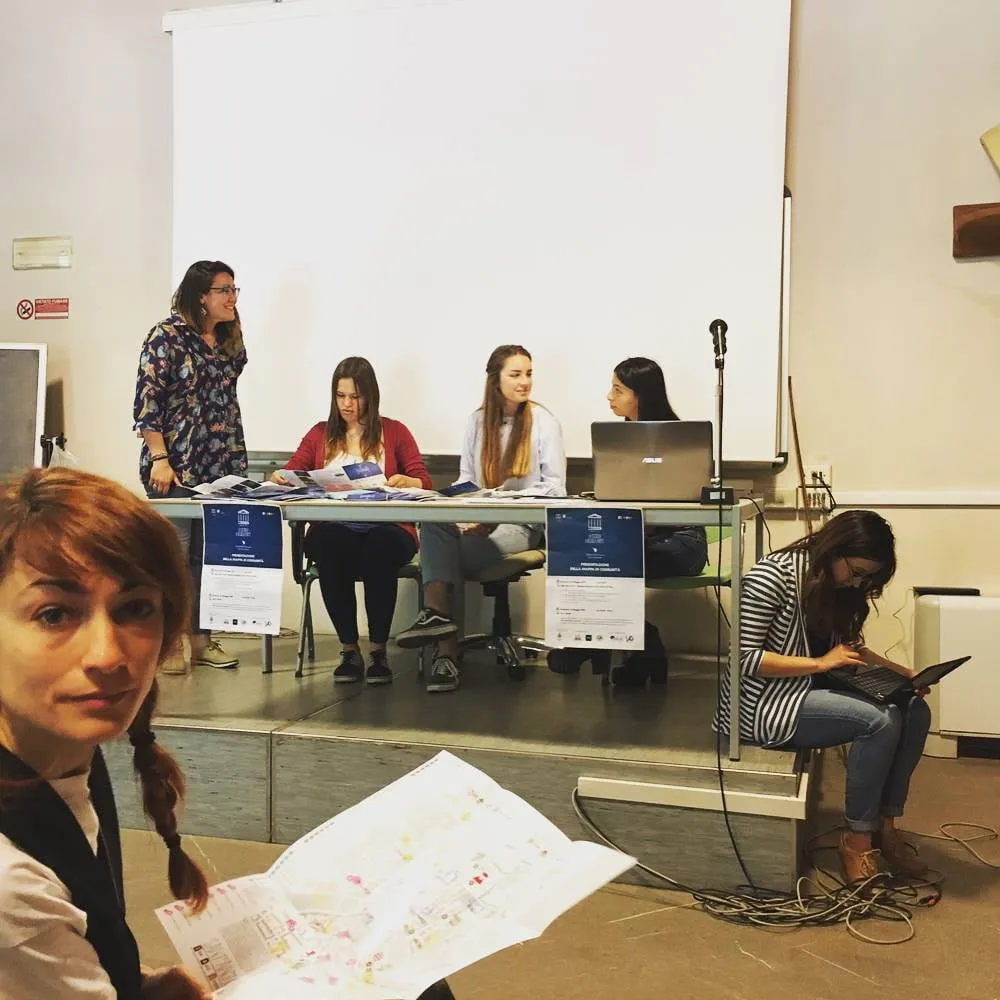
The chosen format is that of a tourist map, a foldable brochure of easily manageable size, using a square format that is more modern and original. The need to present it as a tourist map was contingent because, at the end of the project, the students would be participating in a work-placement program at the Pisa Tourist Office, with the task of distributing their final product to passersby. Therefore, the product needed to meet the requirements of an informative map.
The analysis of the city was developed around the central theme of cultural diversity, but several sub-themes were identified to facilitate both the reading and use of the map, and to streamline the workflow for the students. These sub-themes are clearly identifiable through different colors and graphic representations, optimized for the most immediate communication possible while maintaining richness and linguistic diversity. For each sub-theme, the students identified places that they felt represented the underlying concept and marked them on the map, creating a series of points of interest – and corresponding routes – that convey their personal interpretation of the city. This is the meaning of “community”: it is a map created by the community itself, and therefore, in addition to the geolocation of the elements, it contains the added value of the relationships and emotions that only the human element within it can generate.
We are all very satisfied with the results achieved, and we are fully aware that this experience and this project represent a strong foundation for a new awareness of the local area, particularly among young people.