
Event · 2019 · Pisa, Gipsoteca di Arte Antica · Automatically translated from Italian
Tuscanyness: Lecture + Masterclass
Two days at the Ancient Art Sculpture Gallery in Pisa, featuring Carmassi, Rossi Prodi, Alvisi, Pellegrini, Bertoncini Sabatini, Nardi, and Terpolilli: three panels focusing on place, history, and craftsmanship, and a masterclass for students.

What did we talk about?
What is the origin of the meticulous attention to detail, calculated down to the millimeter? How does history become the foundation upon which new structures are built? How is the landscape interpreted, a dense network of relationships and a layered record of human activity? The aim is to explore how a professional interacts with their cultural roots, their time, and their values in the design work that has defined their life.
Location
The theme of attention to place should be examined in its many facets: as a physical landscape, and therefore as a tangible and measurable environment, but also as an intellectual presence and the spirit of the place, evoking spaces and systems of relationships within the built environment, composed of paths and cultural markers. Is it possible that the way this theme of place has been addressed in Tuscany represents one of the most successful approaches in architecture? The narration of design experiences can provide an opportunity to understand this inclination towards the creation of place, and to determine whether there is a particular sensitivity to bringing the act of construction into dialogue with the unique characteristics of a territory.
History
The panel aims to explore the role of history in contemporary design, and to examine the methods and reasons by which the speaker, aware of the cultural context of Tuscany, engages with the specific history of each location where they are asked to intervene. The goal is to define whether there is a particular sensibility that characterizes this approach, and to understand if there is a unique ability to interpret the layers of gestures and signs, and how historical references are reinterpreted. The invited speakers will be asked to reflect on both the practical and construction aspects, as well as the theoretical and cultural implications that history entails. Furthermore, the panel will investigate whether a certain humanistic perspective still exists, and how it may have evolved from the Renaissance to the modern era.
Craftsmanship
The panel will examine the role of craftsmanship in architecture today, within a global context characterized by industrialized building processes. Participants will be asked to express their views on the importance of manual skills and how they are rooted in the unique characteristics of each place. The concept of “craftsmanship” will be explored in depth, both in terms of mindset and practical application. The discussion will also focus on how architects from Tuscany, who have grown up in an environment strongly characterized by the tactile qualities of materials, their repetition and variation, and a history of accumulated practical experiences, often passed down from master to apprentice, have developed an aptitude for designing and seeking customized solutions, architectural details that can be considered a true factor of beauty in architectural projects. The images from the two days will be presented
Images from the two days
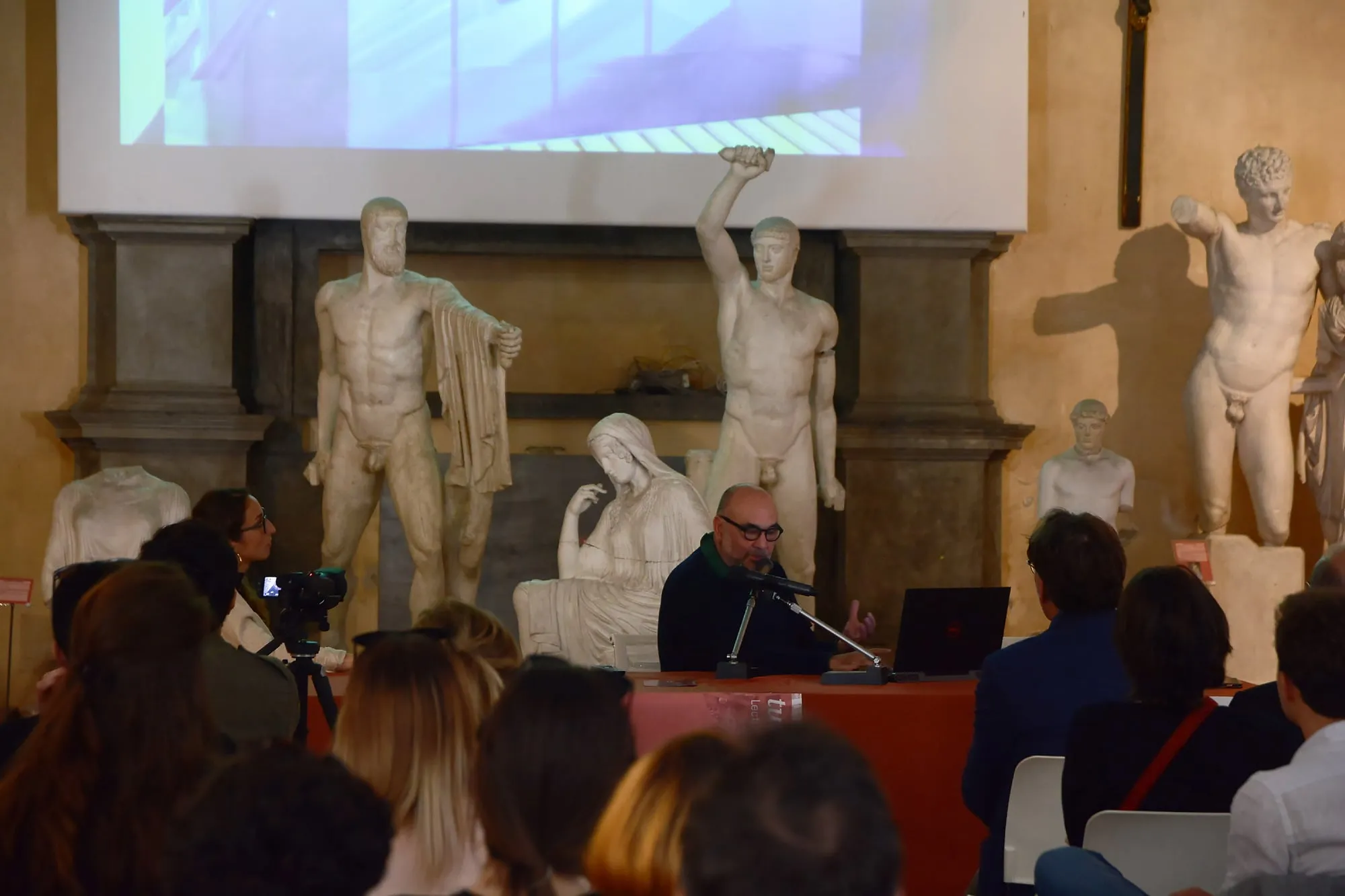
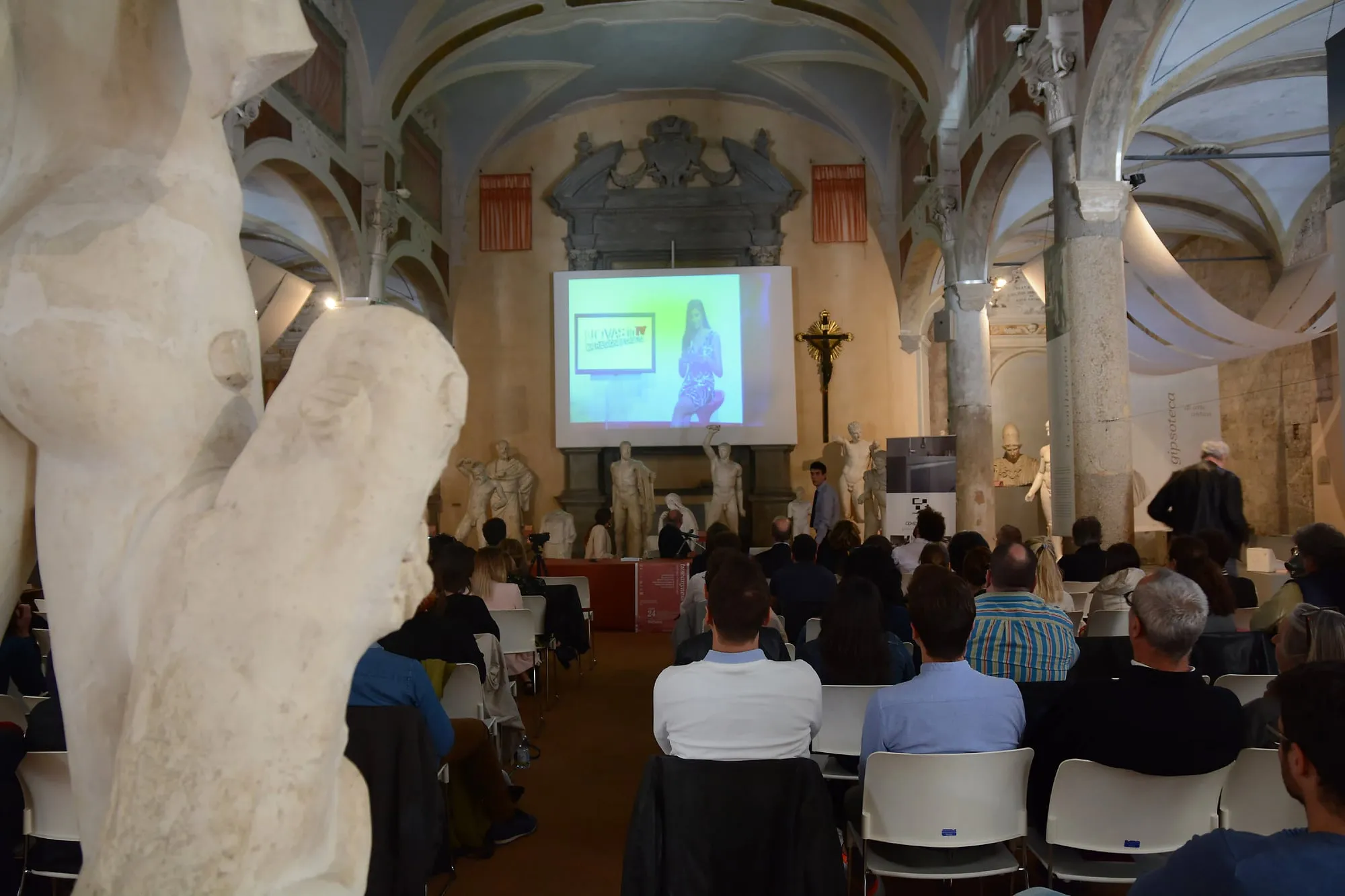
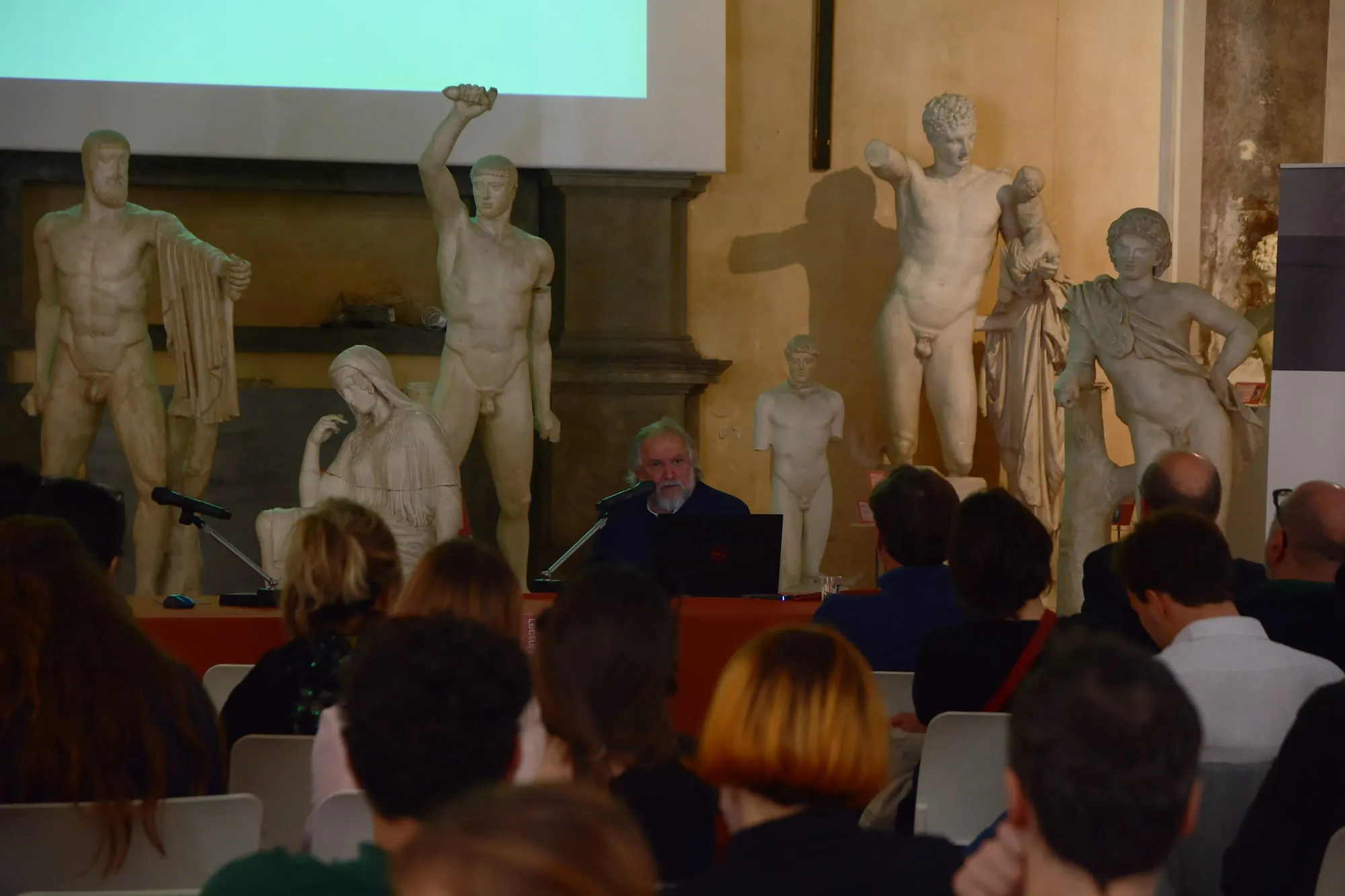
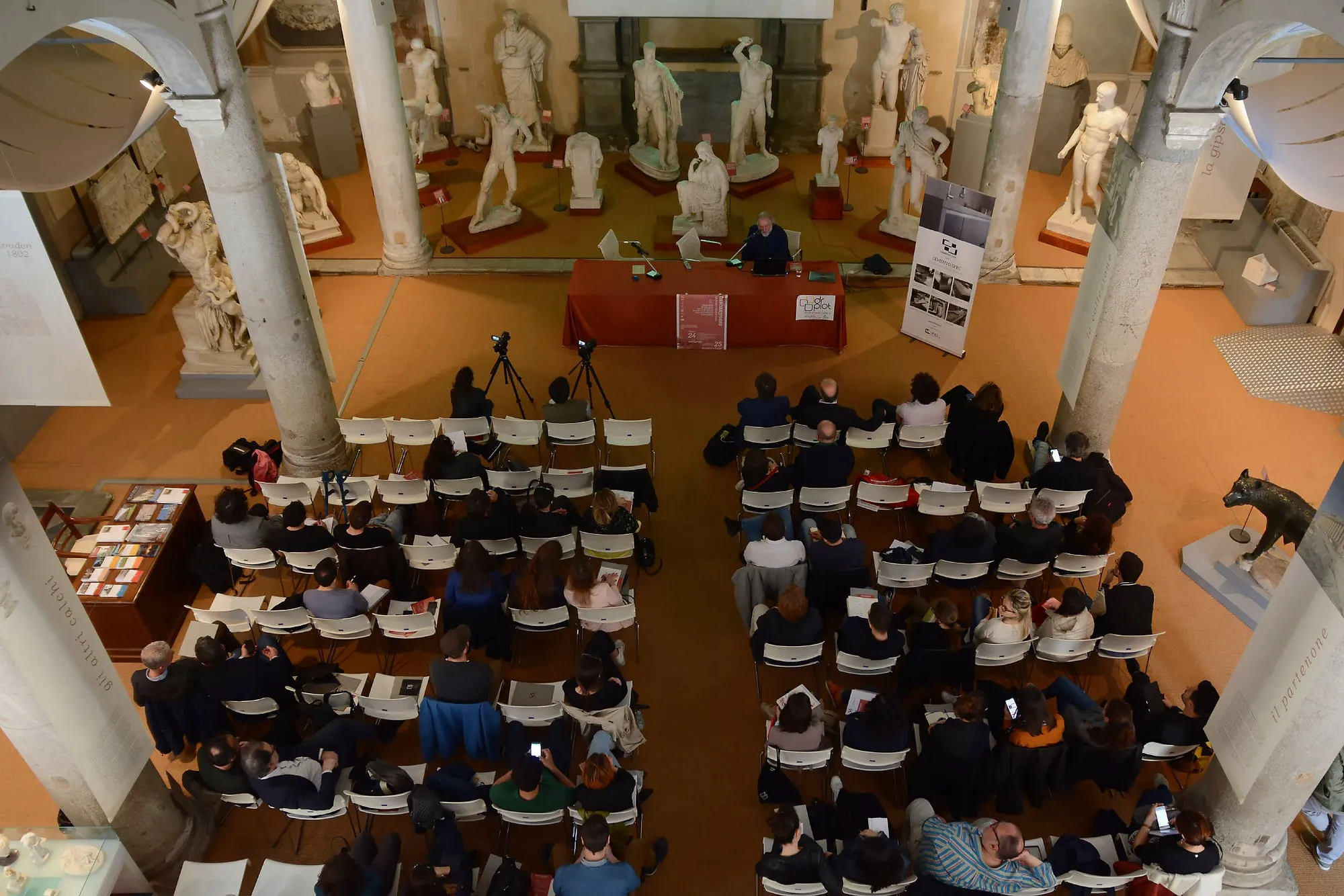
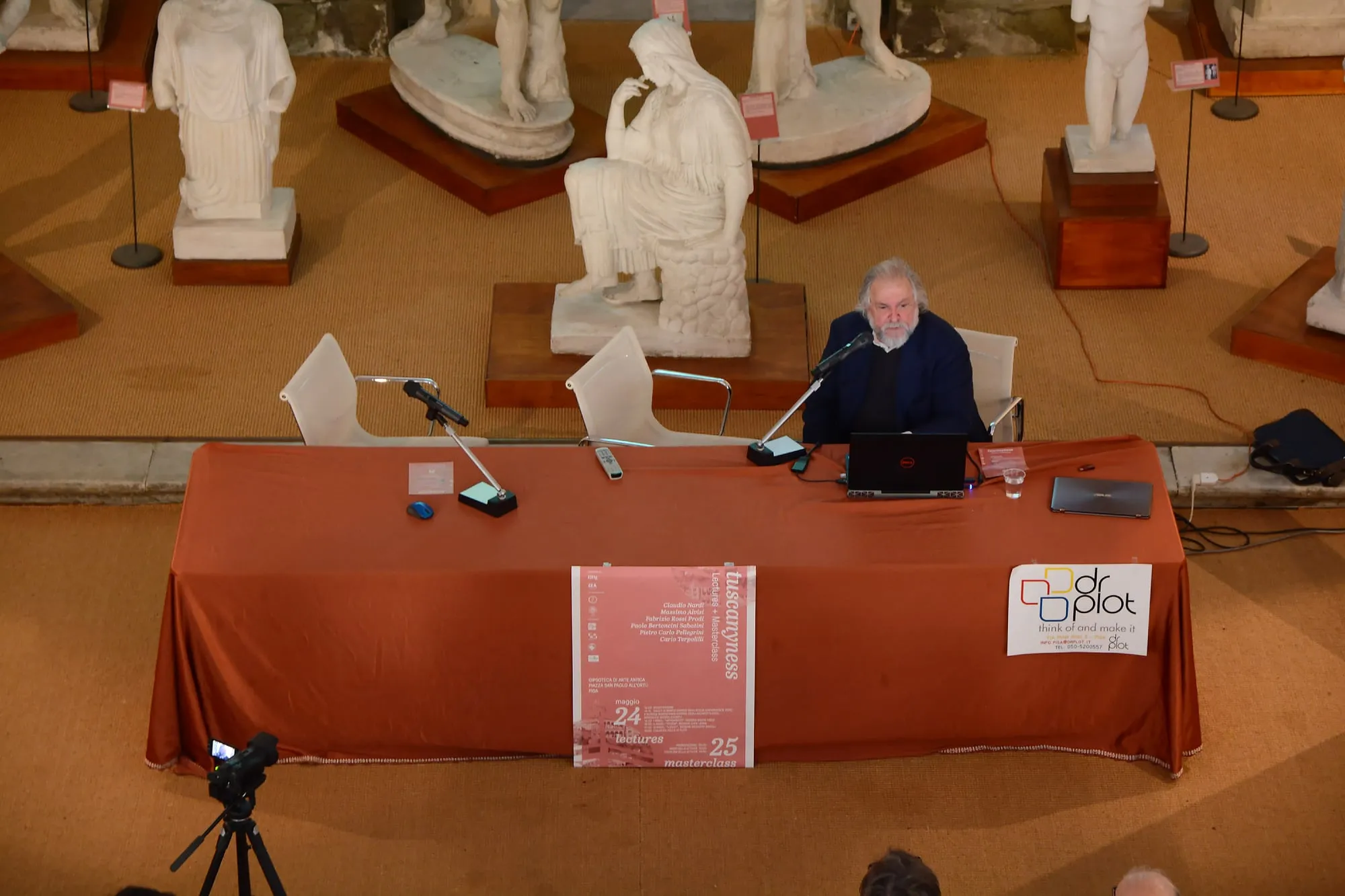
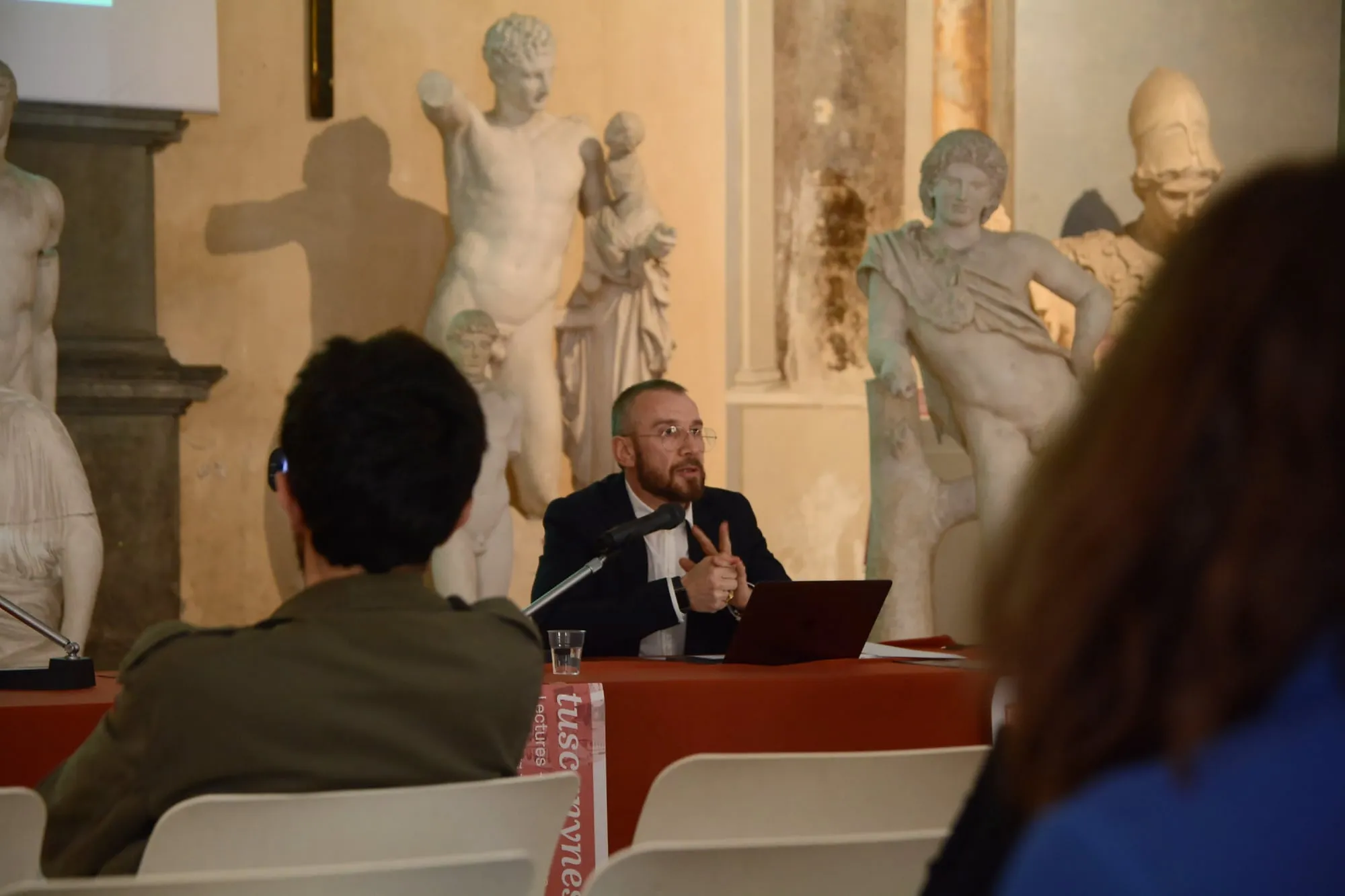
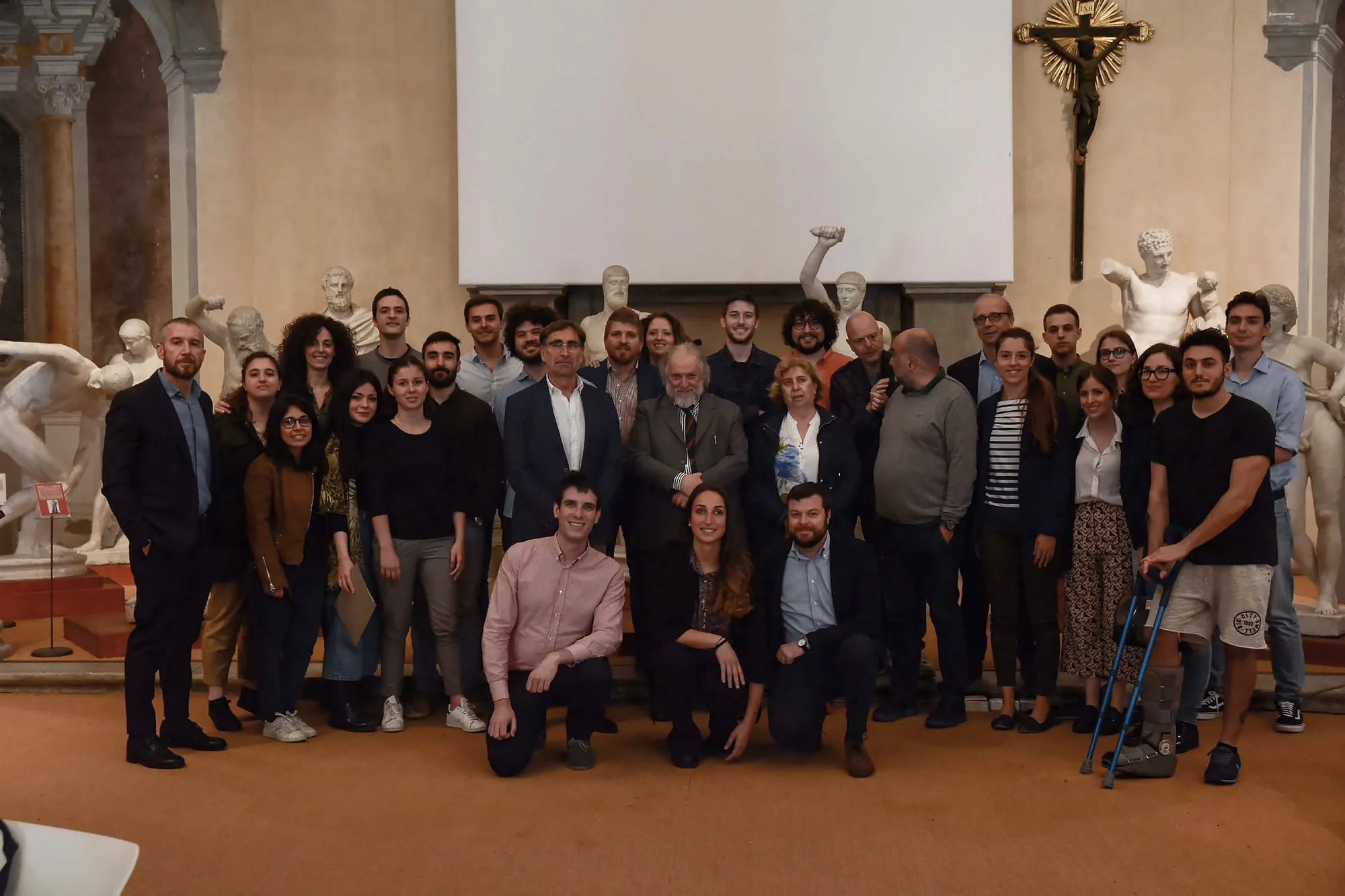
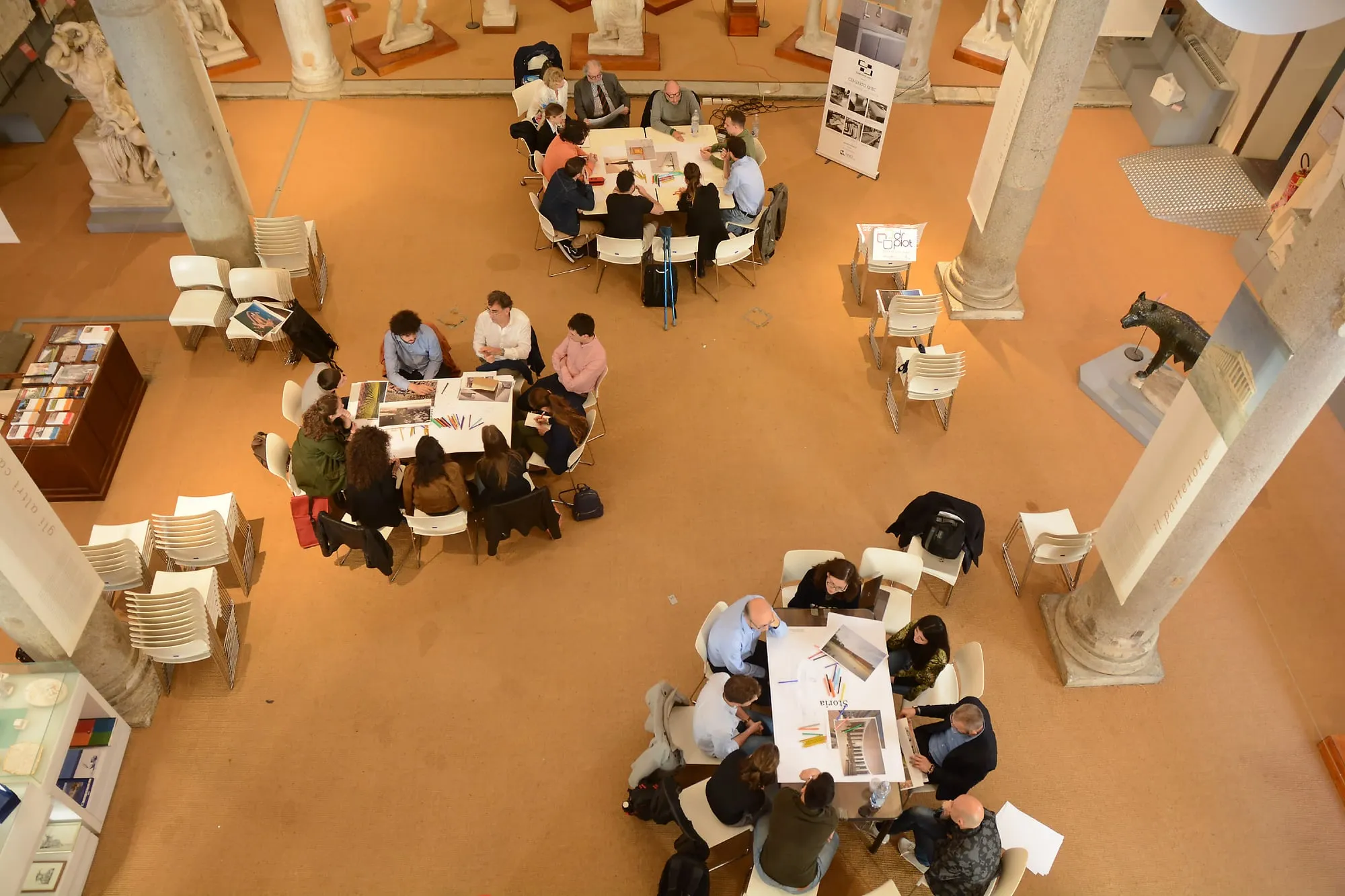
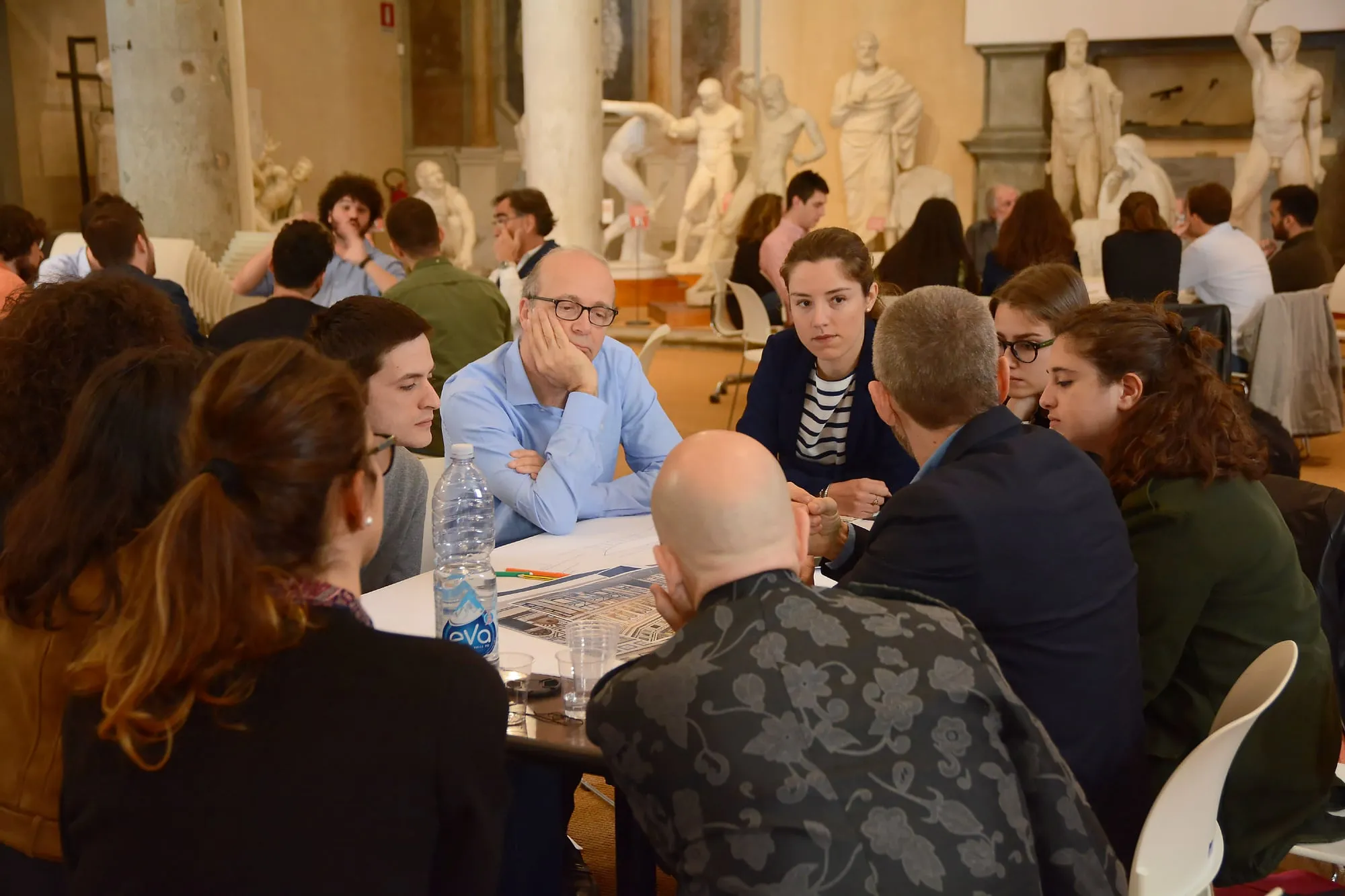
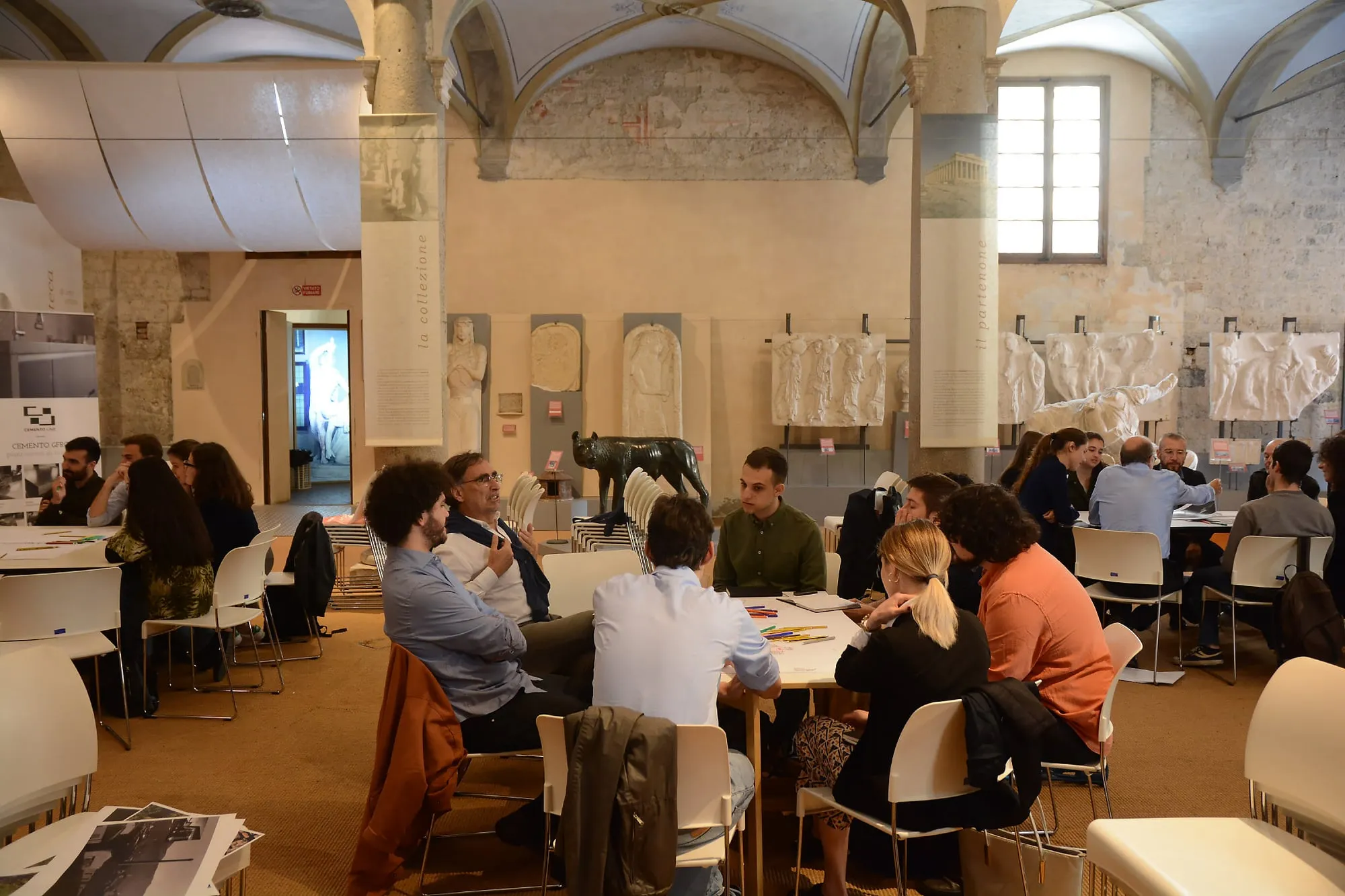
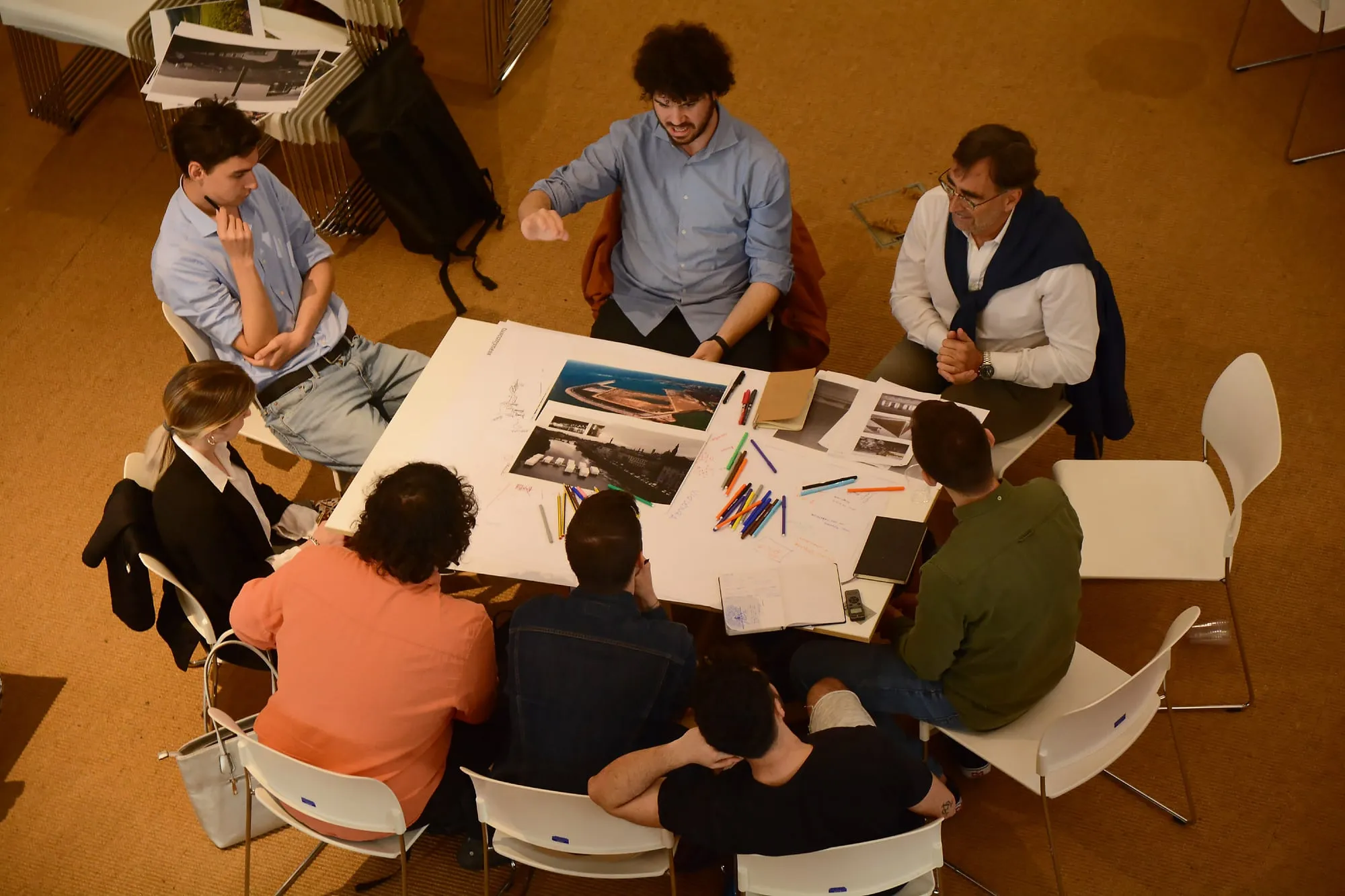
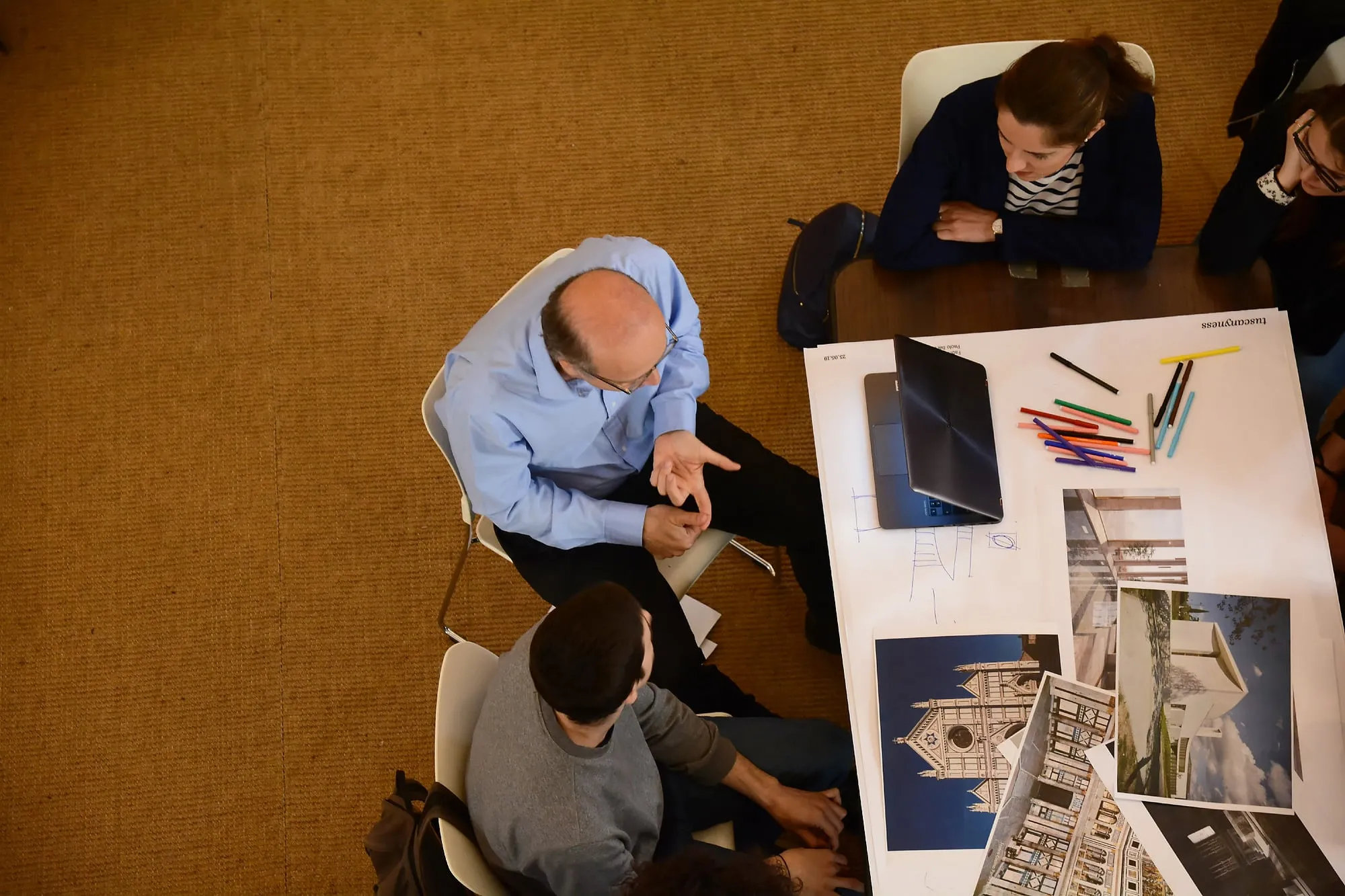
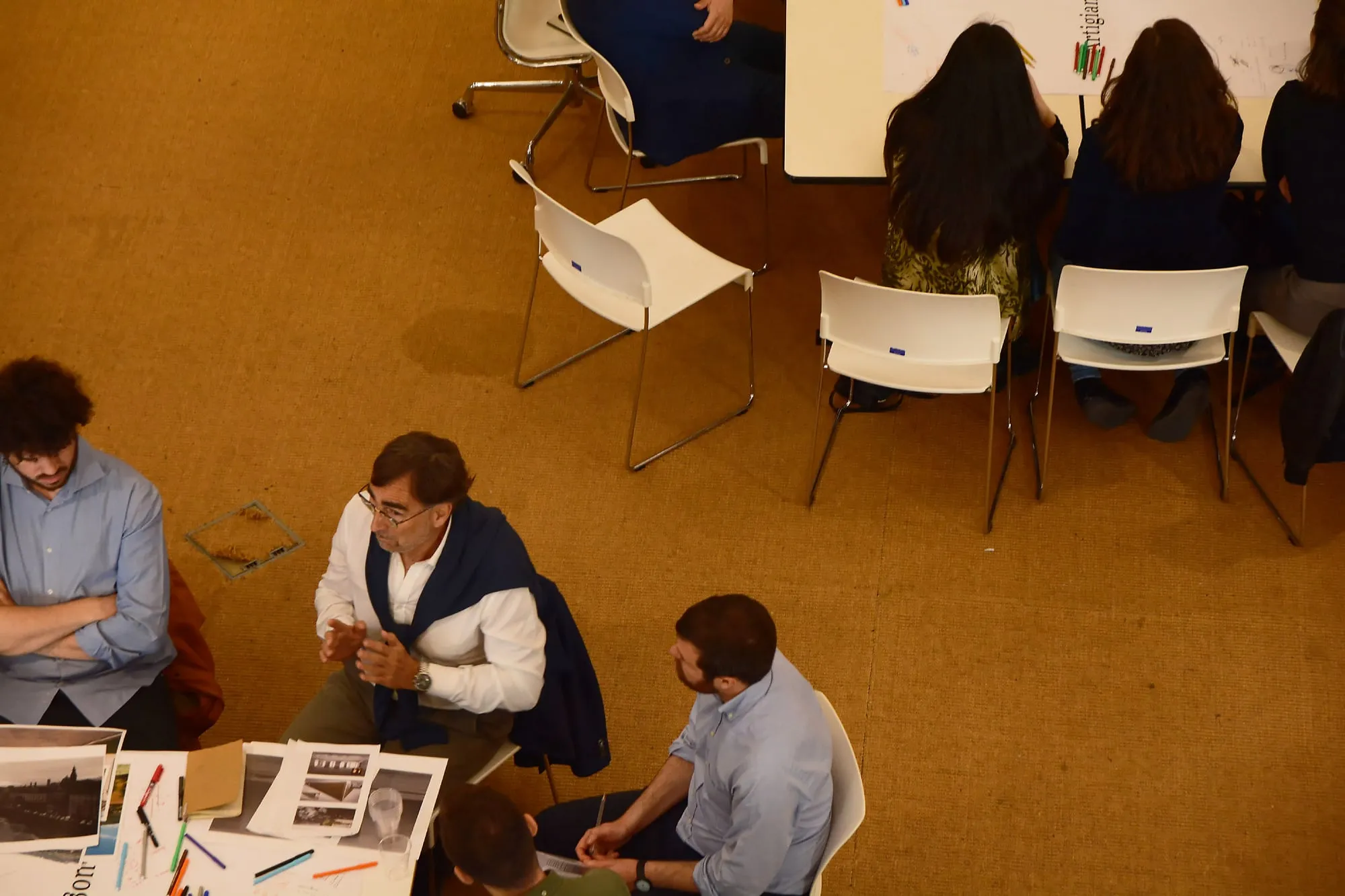
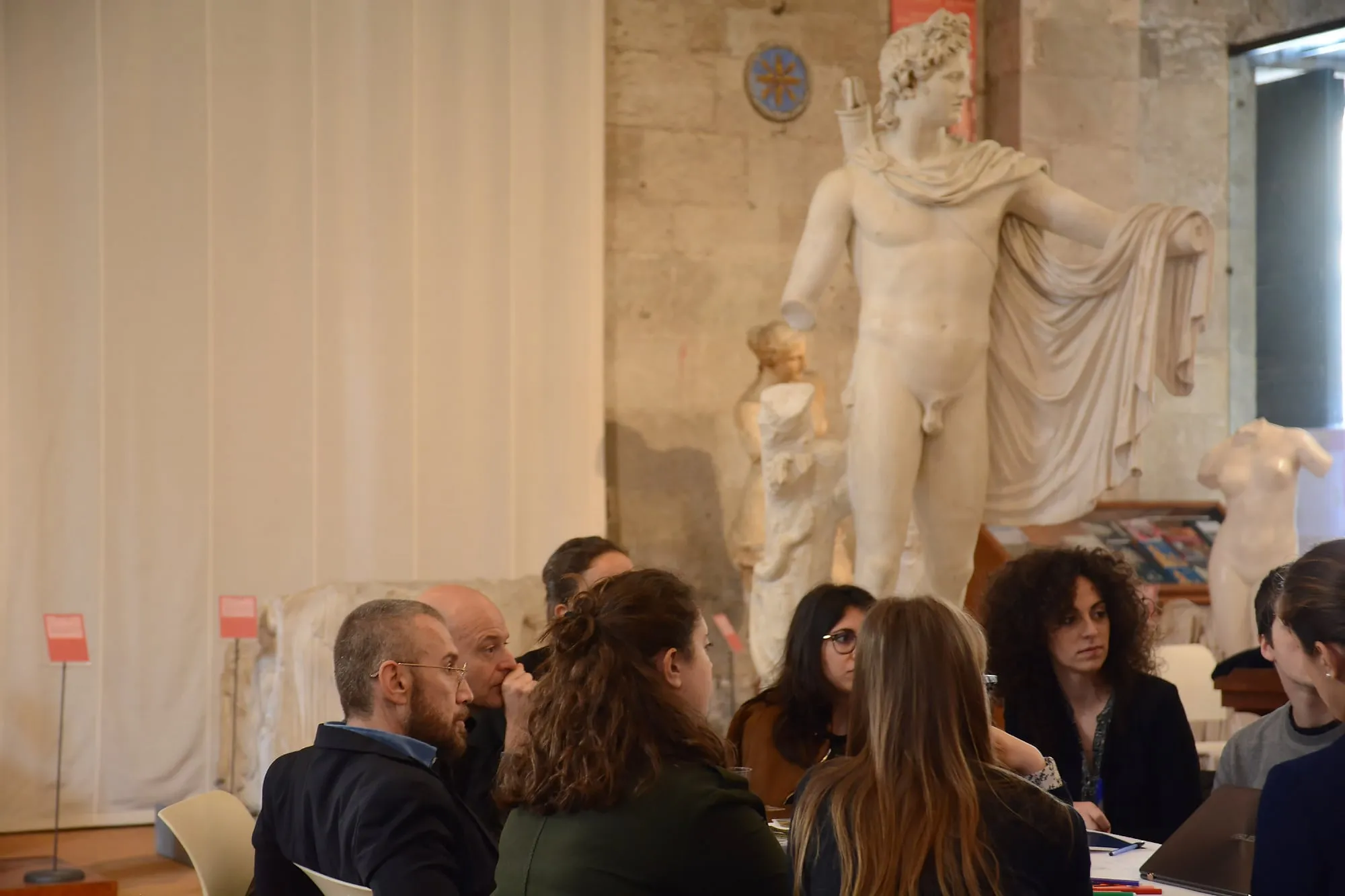
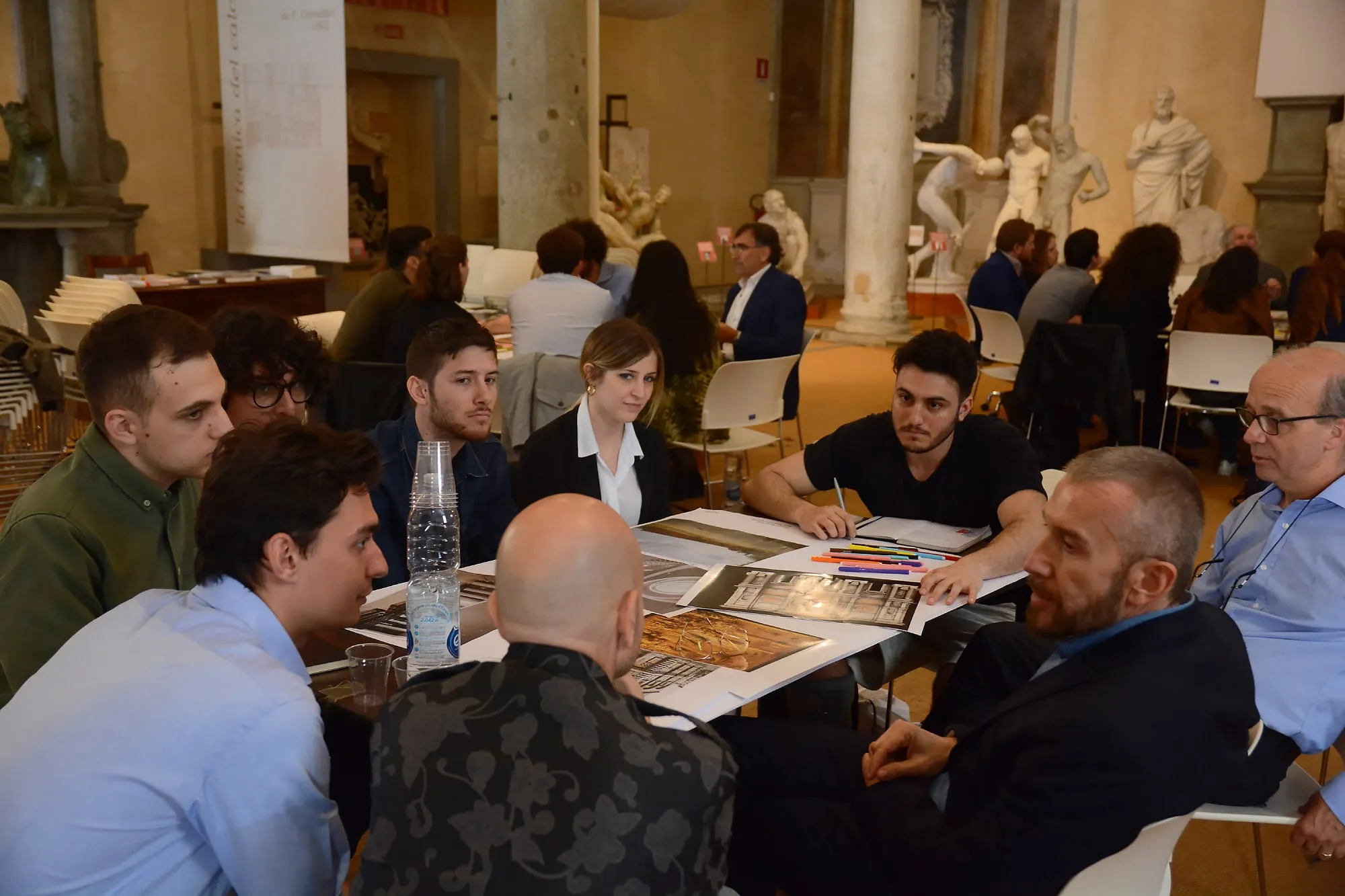
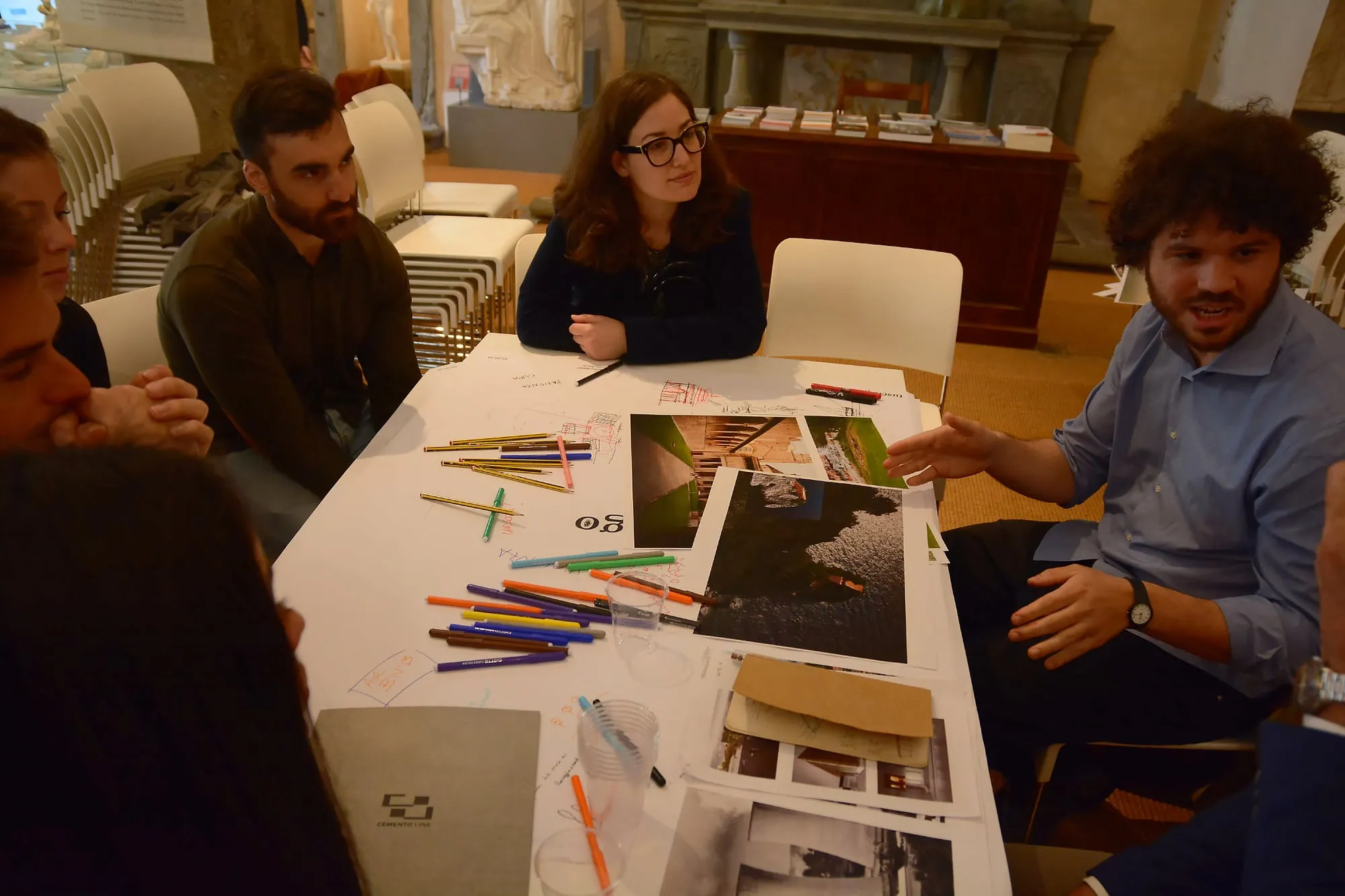
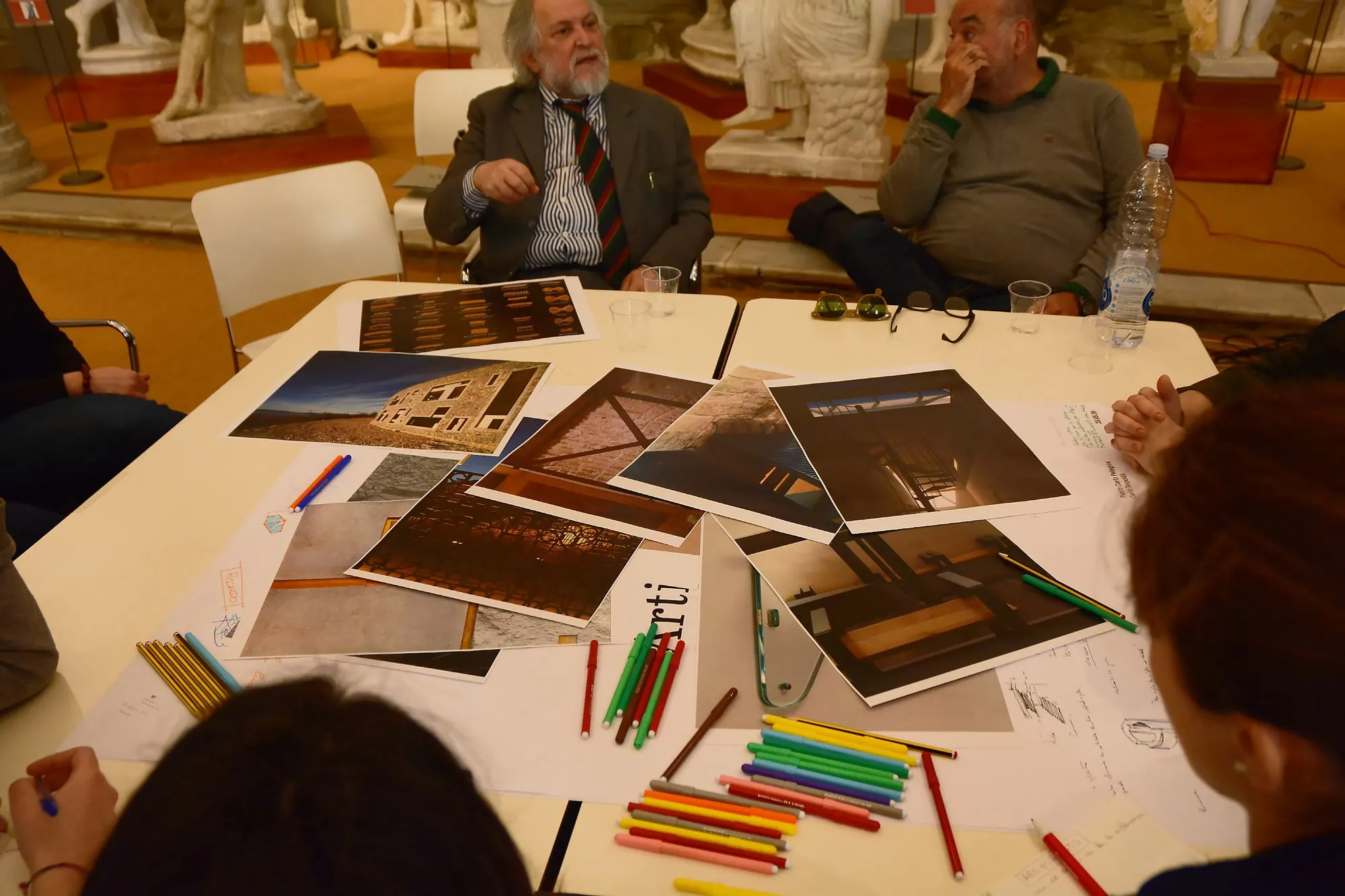
The full conference
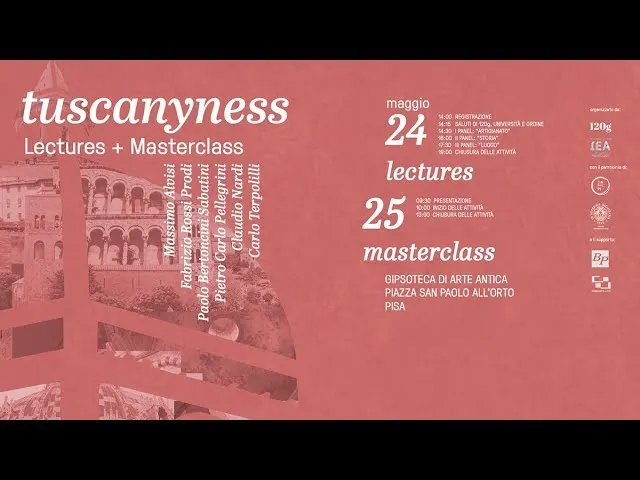
The program
May 24th · Lecture
The two-day event will feature six speakers who will present on the themes they were invited to explore, in a sequence of individual presentations. The event will be open to the public, including students, enthusiasts, and professionals (who can earn 5 ECTS credits through the iMateria platform).
- 14:00 · Registration
- 14:15 · Greetings from Marco Giorgio Bevilacqua (University of Pisa - D.E.S.T.E.C) and Patrizia Bongiovanni (APPC Professional Association of Pisa), followed by an introduction to the conference by Andrea Crudeli
- 14:30 · Panel Discussion: Craftsmanship (Carlo Terpolilli + Pietro Carlo Pellegrini), moderated by Marta Gnesi
- 16:00 · Panel II: History (Fabrizio Rossi Prodi + Paolo Bertoncini Sabatini), moderated by Luca Lanini
- 17:30 · Panel 3: Place (Massimo Alvisi + Claudio Nardi), moderated by Riccardo Bartali
- 19:00 · End of activities
- 19:30 · Aperitif (pre-dinner drinks and snacks)
May 25th · Masterclass
The day is open to students who, in the morning, will engage with the speakers in three round table discussions, corresponding to the themes addressed the previous day, fostering a dialogue between academic and professional perspectives.
- 09:30 · Round table sessions and presentations
- 10:00 · Start of activities
- 13:00 · End of activities
- 13:30 · Event closing
The lecture, divided into thematic panels, is a formal oral presentation designed to teach or inform about a specific topic. While it is a form of traditional instruction, it differs from a typical “lecture” due to the specificity of each panel, which are all organized under a broader, unifying theme. This format is best suited for the first day, as it is engaging and informative for a wide audience interested in the field.
The masterclass is a type of intensive short course with a specific focus, aimed at developing skills, competencies, and knowledge on the subject. It allows for a rapid immersion into the topic, with greater engagement and participation. The format intentionally focuses on in-depth exploration through small exercises and discussions on the topic, making it an ideal and privileged tool for exceptional student learning, where students interact directly with the instructors.
Where?
Church of Saint Paul at the Garden / Ancient Art Plaster Cast Collection
Piazza San Paolo all’Orto 20, Pisa
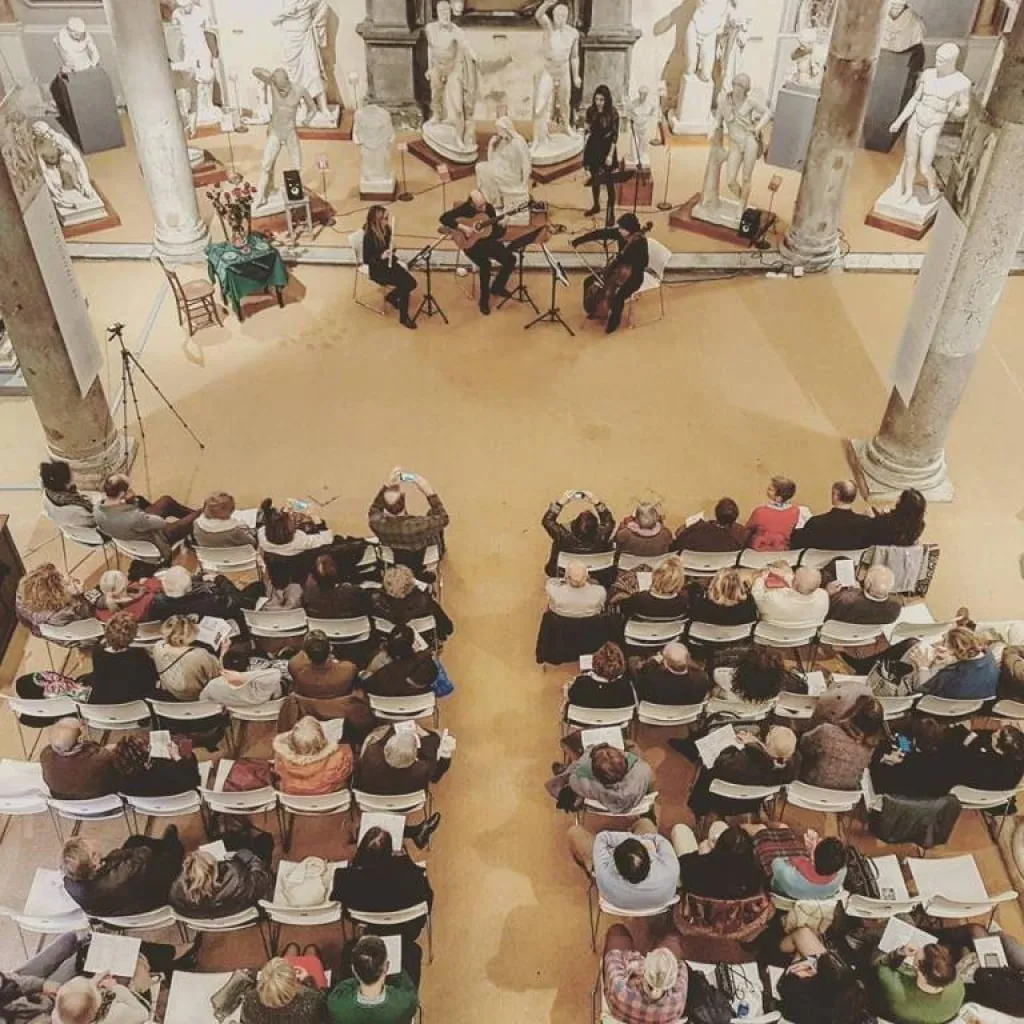
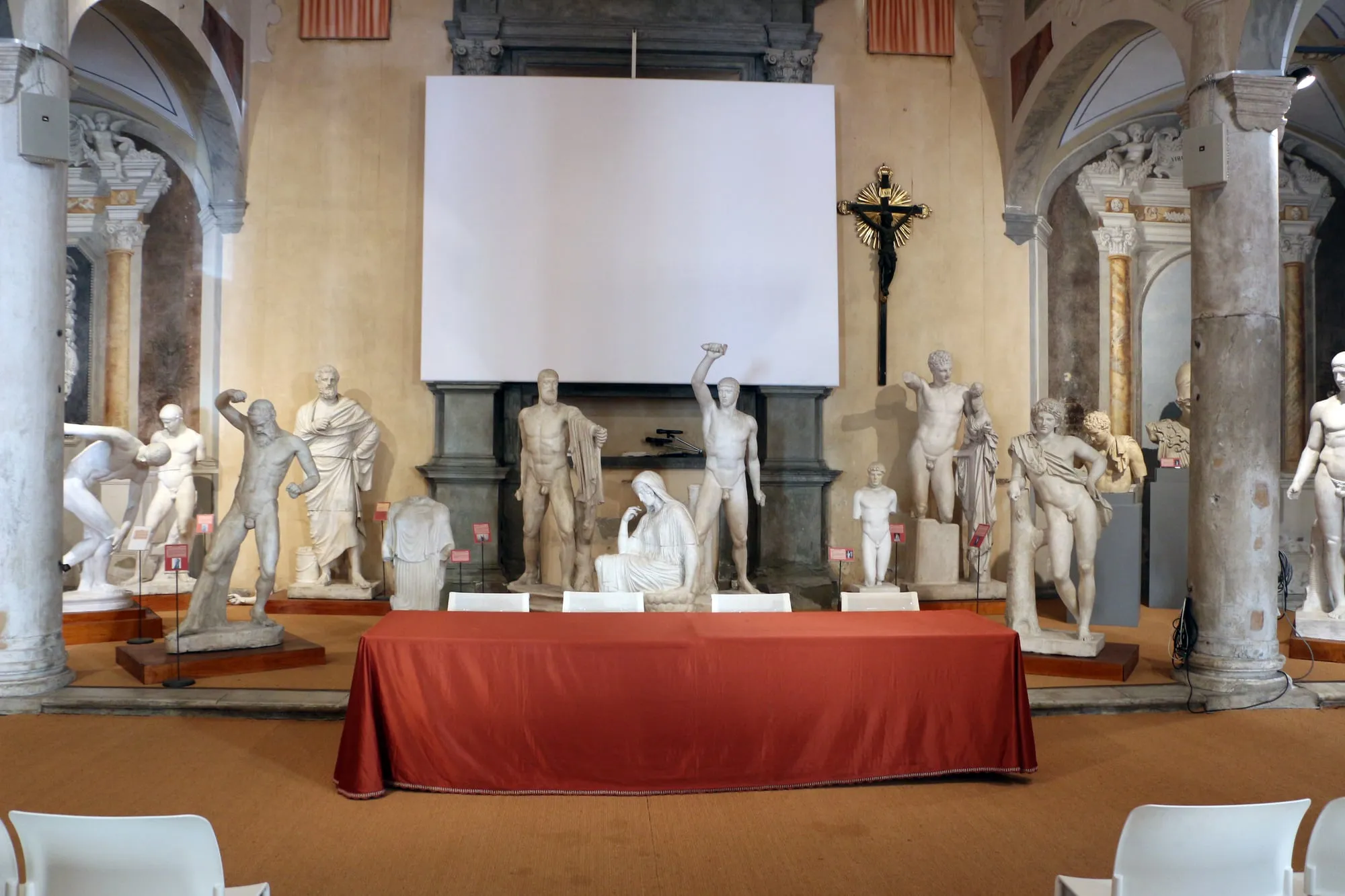
This building, dating back to the 11th century, has served various purposes throughout its history, including as a church, a monastery for the Augustinian order, a college, and ultimately a museum and archaeological collection (antiquarium) for the University of Pisa. This place is rich in history and culture, and it provides the perfect setting, filled with casts of ancient statues, for the Tuscanyness project.
Speakers
Fabrizio Rossi Prodi
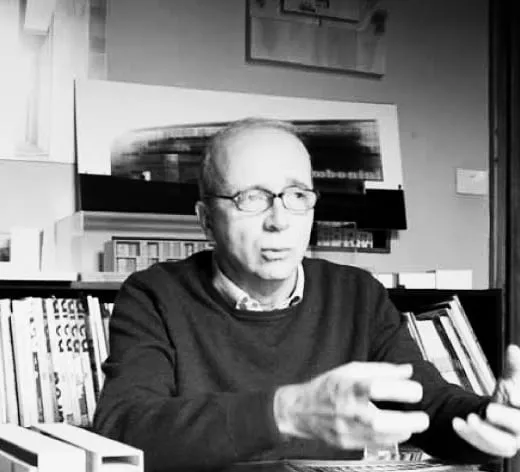
He is a full professor of Architectural and Urban Design at the University of Florence and at the Doctoral School in Architectural and Urban Design. He has also taught at the Master’s program in Theology and Church Architecture at the Theological Faculty, and at the Master’s program “The Smart City Project.” In addition to Italy, he has given courses, lectures, and carried out projects in Germany, England, Switzerland, Estonia, Argentina, Chile, Brazil, China, and Guyana.
He has published eight books and over a hundred essays, focusing on scientific research in areas such as urban design, public spaces, residential settlements, social housing, and sustainability.
Massimo Alvisi
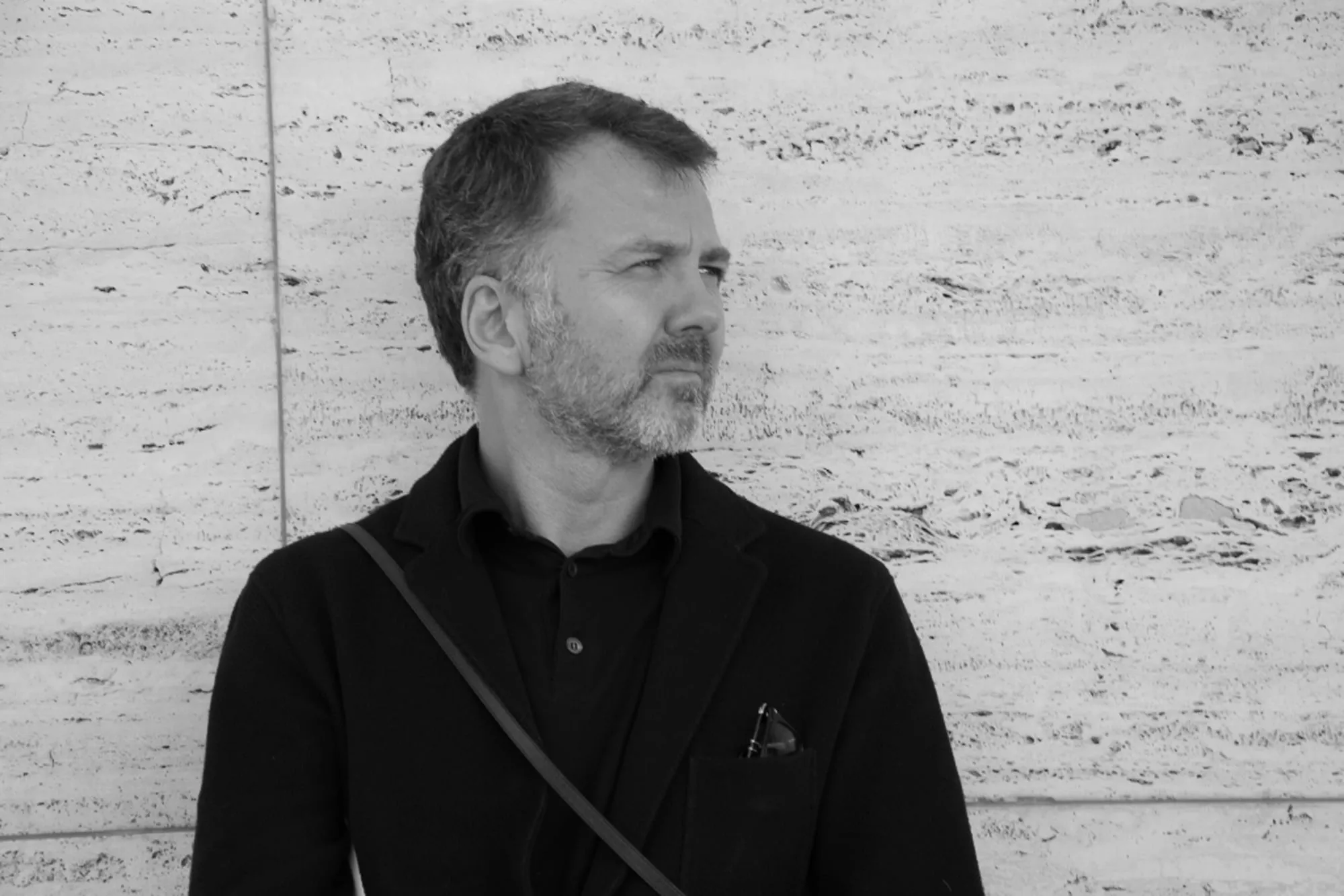
In 2002, he co-founded the architectural firm Alvisi Kirimoto + Partners with Junko Kirimoto.
He specializes in architecture and urban planning, working on projects related to the urban and architectural redevelopment of spaces for culture, such as the restoration of the municipal theater in Corato (Apulia), the theater of the Academy of Fine Arts in Naples, and the renovation of the Alexandrinsky Theatre in St. Petersburg to create a theatrical academy. He has won international awards and competitions, including the AIT Award 2012, and his work has been exhibited at…
The Venice Architecture Biennale in 2012 and 2016. Casabella published one of its most recent projects in Tuscany: a wine cellar for production, which won the The Plan International award and was a finalist for the Gold Medal for Architecture.
It won the “Architettura Toscana” (Tuscan Architecture) award in 2017.
Pietro Carlo Pellegrini
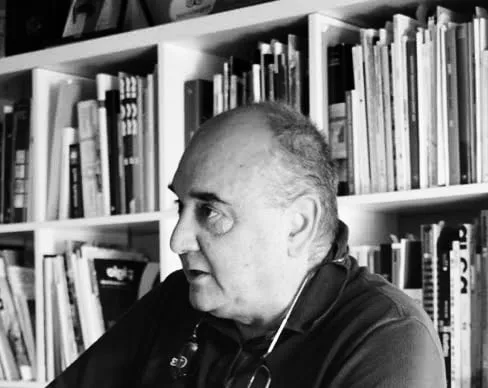
Pietro Carlo Pellegrini has taught at the architecture faculties of Genoa, Venice, Ferrara, and Siena. He has also been a Visiting Professor at the Delft University of Technology and the European Institute of Urban Affairs in Naples.
He has received the Andil “Opera Prima” award, the Dedalo award, and an honorable mention at the “Medaglia d’Oro dell’Architettura Italiana” in 2003 and 2015, as well as the international ECOLA AWARD in 2006. He participated in the Venice Biennale in 2002 with the exhibition “Lonely Living,” in 2004, in 2010 for the “Archetipo/Prototipo” section of the Italian Pavilion, and in 2014 with the exhibition “Innesti,” and in 2013 at the Oslo Architecture Triennale.
His architectural and design works have been published in leading national and international specialized magazines.
Paolo Bertoncini Sabatini
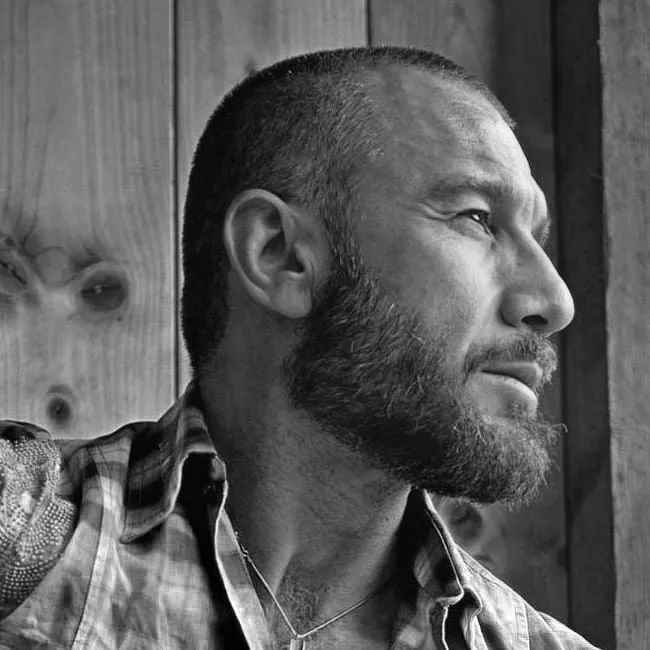
He has been a member of executive and scientific committees for conferences (ADSI 2005 and 2010) and has collaborated on various events, including the Florentine commemorations for Anna Maria Luisa de’ Medici, Elector Palatine, where he also developed the architectural design for Michelangelo’s project for the facade of San Lorenzo, creating a three-dimensional visualization for the church’s front (Florence 2007). He curated sections within the exhibition “Michelangelo between Florence and Pietrasanta: Architecture as Sculpture” (Pietrasanta 2010); he produced a video on “The Sangallo facade of the Ducal Palace of Castro: A Renaissance workshop for the reinvention of classical architecture” for the Antonio da Sangallo the Younger Architecture Museum (Montefiascone 2010), and he created virtual reconstructions of Michelangelo’s Laurentian facade for the exhibition “In the splendor of the Medici: Pope Leo X and Florence” (Florence 2013). Since 2011, he has been the President of the Scientific Council of the “Infinite Cities” association for the promotion of cultural heritage.
Claudio Nardi
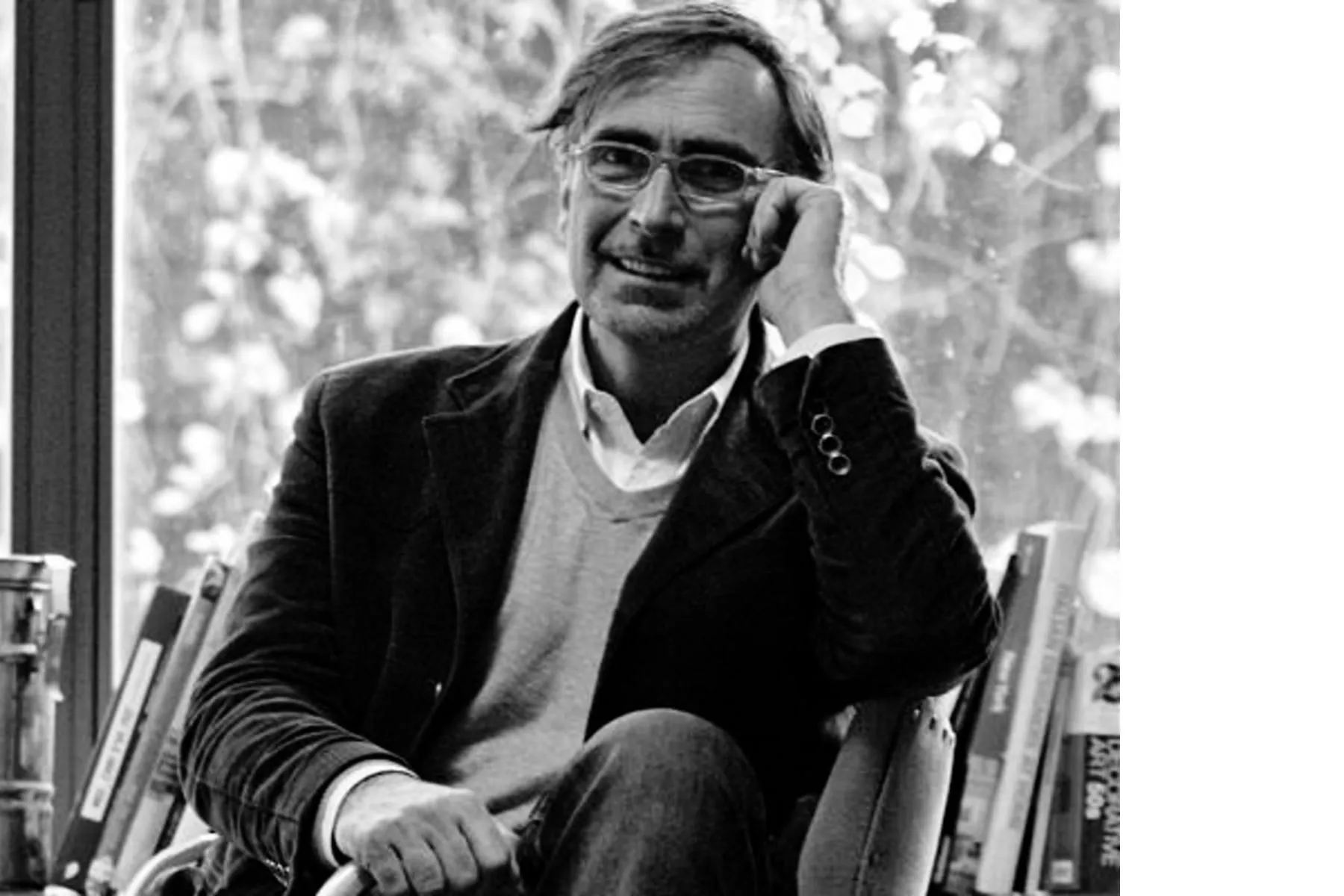
The architect is inspired by a humanistic and emotional approach to design, at every scale and in various fields, including interior design, architecture, and urban planning, always striving to combine a holistic vision with attention to detail.
Among the many architectural projects completed in Italy and abroad: the Mu.Ca (Maritime Construction Museum) in Monfalcone, the new municipal building and the Mocak (Museum of Contemporary Art in the former O. Schindler factory) in Krakow, the headquarters of the Mandragora publishing house, the residential complex in the former Fiat area in Novoli, and the Riva Lofts in Florence, the Port Authority headquarters in Marina di Carrara, the Vertex Tower and the office building in Amman, and various private residences in various Italian cities and in New York, Paris, Dubai, Abu Dhabi, Tel Aviv, and Madrid. Numerous projects have been undertaken for the fashion world, including collaborations with Dolce & Gabbana, Ferrè, Valentino, Extè, Malo, and Luisa Via Roma in Florence.
Carlo Terpolilli
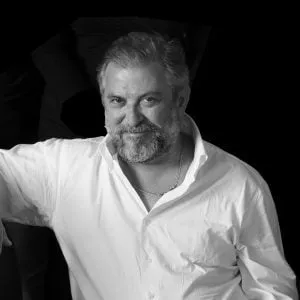
Associate Professor of Architectural and Urban Design and co-founder of Ipostudio architetti associati. He coordinates the Scientific Committee of the International Festival of Architecture and Media in Florence and is a member of the Scientific Committee of S.E.S.V., the exhibition space of the Faculty of Architecture in Florence.
His research investigates the relationship between architectural and technological design. Among his recognitions: finalist for the Medaglia d’oro all’architettura italiana (Milan Triennale 2006), participation in the Venice Biennale International Architecture Exhibition in the III (1985), VI (1996), VIII (2002) and IX (2004) editions, and a mention at the XIX Compasso d’Oro ADI 2001.