Learning from… Souto de Moura
Antonio Treglia · · Automatically translated from Italian
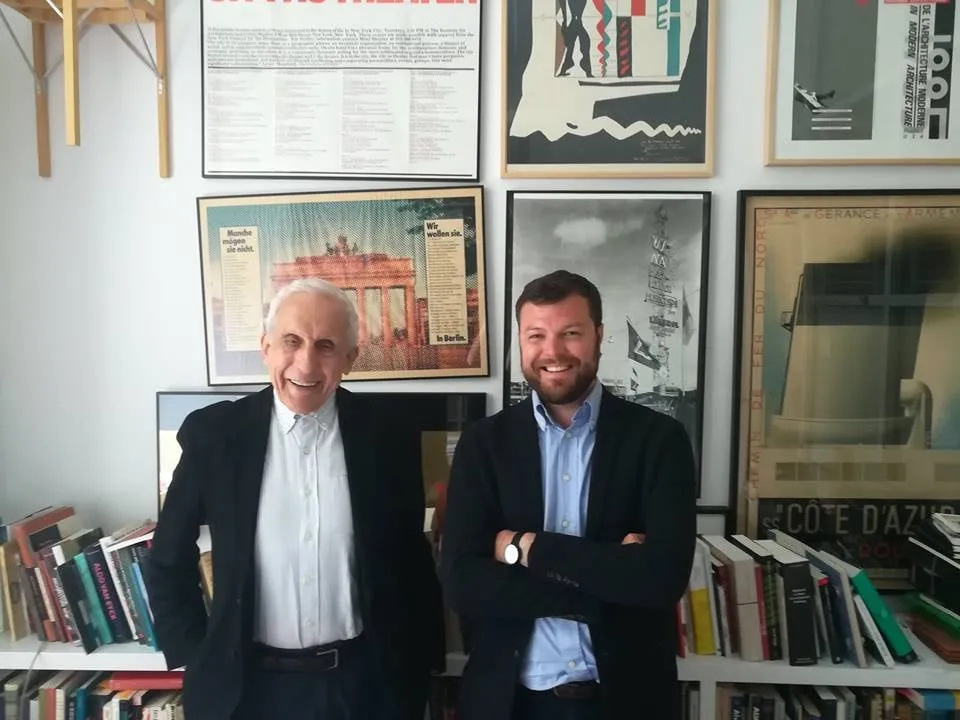
“For me, architecture is a global issue. There is no such thing as “green” architecture, “smart” architecture, or “sustainable” architecture. There is only good architecture. There are always problems that we must not ignore; for example, energy, resources, costs, and social aspects. It is always necessary to be attentive to all of these aspects.”
Eduardo Souto de Moura
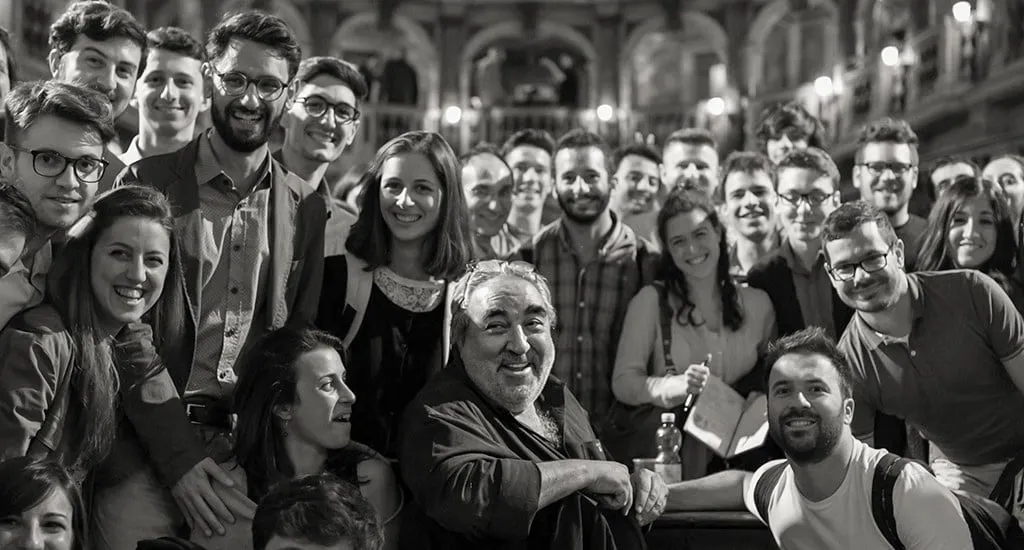
On May 5, 2015, the first in a series of lectures was held in the city of Mantua, organized by the Polytechnic University of Milan as part of the MantovArchitettura project. This project offers the opportunity to hear about the history and development of the works of international architects directly from the architects themselves, through a series of exhibitions, lectures, and seminars.
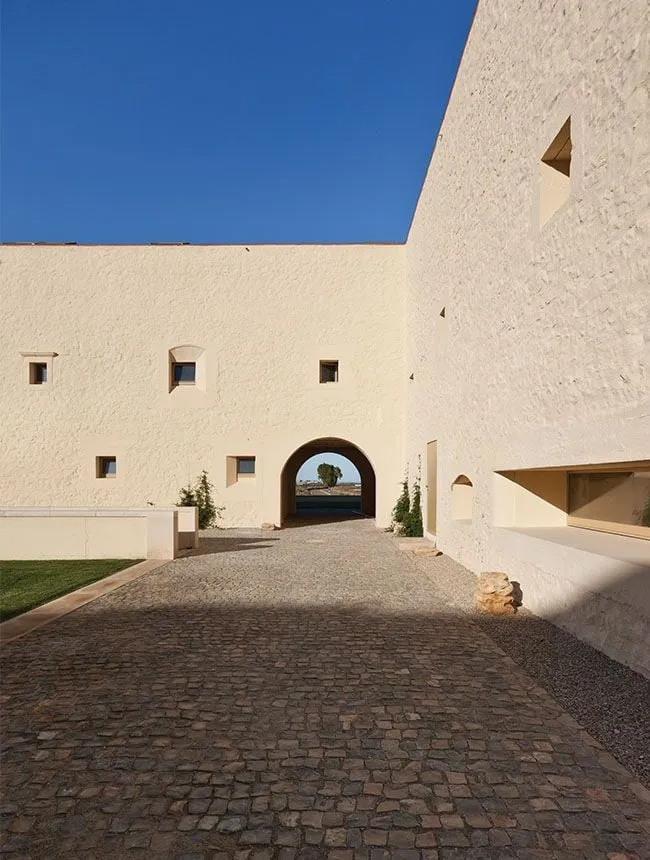
Convento das Bernardas (2012)
The first guest of the series was Eduardo Souto de Moura, the Portuguese architect who, along with Álvaro Siza and Fernando Tavora, is a leading figure in the so-called “School of Porto.” In the evocative 18th-century theater of the Mantua Academy, the Teatro Bibiena, an interesting lecture was held on “The Value and Meaning of Existing Structures”: a presentation of Souto de Moura’s conservation projects, told from the perspective of the different challenges involved and the solutions the architect found to address them.
“We will be discussing the restoration of buildings. To begin with, it’s important to understand that there is no fixed rule in restoration.”
The Portuguese master began by emphasizing that each situation must be carefully evaluated and resolved through choices that are not always the best from a purely traditional standpoint, but that nonetheless lead to excellent results. According to Souto de Moura, the key is to successfully integrate the new with the old, and vice versa, through the use of materials, forms, and natural elements.
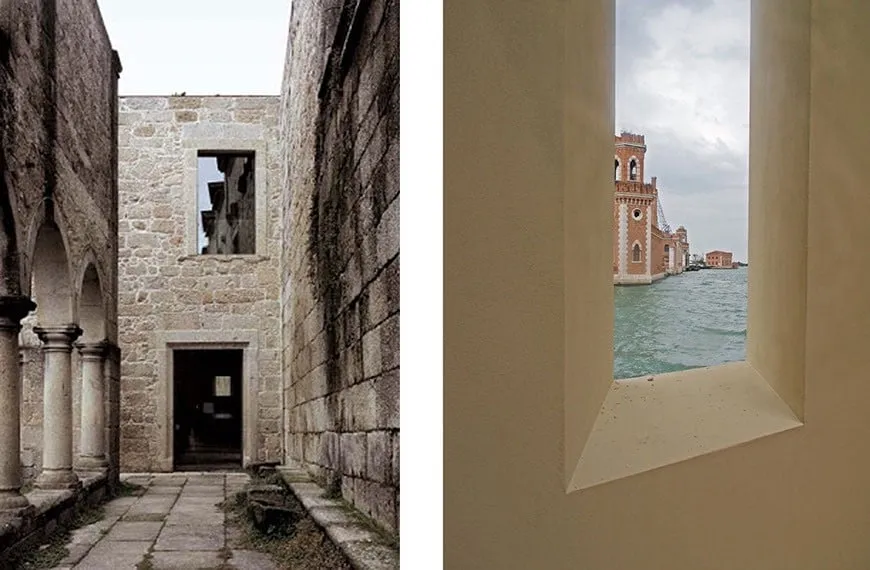
Santa Maria do Bouro (1989); Pavilion for the 13th Venice Architecture Biennale (2012)
Supporting this thesis are the architect’s projects, ranging from the more well-known, such as the “Pavilion for the 13th Venice Architecture Biennale” (2012), to those created when he was still a student, like “Ruina do Geres” (1979) and the “Mercado de Braga” (1980), and extending to lesser-known works such as the “Grao Vasco Museum” (1993) and the “Galleria Dario Ramos” (1998).
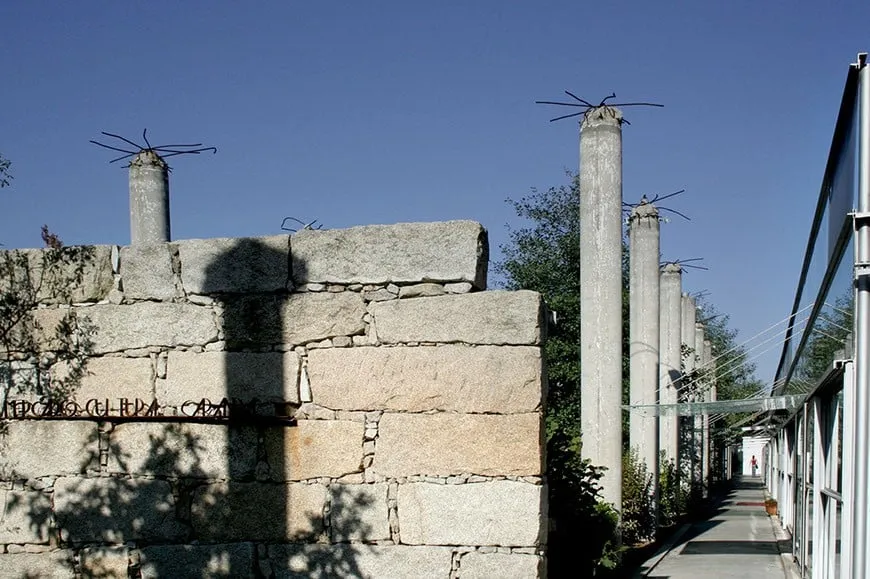
Mercado de Braga (1980)
Each building presented its own history and, as mentioned, different challenges. The Braga Market, which had fallen into disuse due to water damage, retained its function as a link between two areas of the city. The roof was replaced with an open green space, and Souto de Moura chose to preserve the column element as a reminder of the original structure. In the Grao Vasco Museum, he started with an “original” part of the building to find the right proportions for the entire space. In the pavilion in Venice, the three types of openings (a classic vertical opening, a horizontal opening, and a negative window) offered different solutions for the three different views of the lagoon landscape surrounding the Arsenale. In the former “Santa Maria do Bouro” monastery (1989), the building was transformed into a hotel, preserving original elements while integrating new materials and forms, without losing the continuity of the architecture. The coexistence of old and new is also evident in the “Convento das Bernardas” in Tavira (2012), which was originally a 16th-century convent and later a factory. Once again, careful attention to detail, the choice of color, and the inclusion of natural elements led to a very elegant and understated solution that interacts with the city, which the original structure was previously isolated from.
In each project, the architect emphasized the multitude of situations that needed to be addressed, even during the course of the project, whether due to structural problems or the whims of the clients. The solutions, always carefully considered, brought new life to existing structures, demonstrating that simple and genuine architecture, but never banal, typical of Souto de Moura’s style, can sometimes produce better results than many more sophisticated projects that are decontextualized from the place in which they are located.