Project · 2017 · Automatically translated from Italian
120g x 120s
We interviewed some of the leading architectural and engineering firms in Tuscany, asking them five questions, with 120 seconds allotted to answer each one.
It all starts with a question:
Who am I?
History teaches us that to understand our present, we must study our past. “120gx120s” is just the beginning of a journey, the first project that is leading us down a path to deepen our understanding of our origins, to define a manifesto of our heritage, and to explore the thoughts of those who have walked the same path, who have grown up in the same environment, immersed in the same cultural context. This leads to the need to find an answer to another, much simpler question:
Where do we come from?
This is a research project focusing on the key figures in Tuscan architecture, individuals who were educated in our region, who are currently working there, or who are significantly connected to it. The aim is to investigate the defining characteristics, languages, attitudes, methodologies, or stylistic elements that can be found in the works of the interviewees, to outline our roots and create a foundation upon which to build our future. We want to understand if there is a sense of belonging. We want to express that sensitivity that is unconsciously acquired while growing up in a particular environment.
Five questions, 120 seconds to answer each: We interviewed leading architects and engineers from Tuscany on topics such as “Tuscan Identity,” Landscape, Beauty, Method, and the Practice of Architecture.
These questions are “leading questions”: they are more of a stimulus, a spark to begin sharing one’s perspective on the topics that perhaps form the very foundations of Architecture.
1. Tuscanyness
Does a cultural identity exist among Tuscan architects? Is there a shared sentiment among those who were educated or work in our region?
2. Landscape
How does one approach the responsibility of designing in places with a strong and established identity?
3. Beauty
Where is beauty today? Does it still make sense to talk about it? History tells us of a fascinating Italian tradition in pursuing it. Is there a collective need for its rediscovery?
4. Method
Where does a project begin? Is there a method, an attitude, or common stylistic elements?
What does it mean in Italy today? What opportunities do new architects have to work in the peninsula, and in what ways?
The following are the highlights, recurring themes, and dissonances from the more than twenty interviews – the full version, in video format, can be found on our YouTube channel ↗︎ and at the bottom of this page ↓. 1. Tuscan Identity
Tuscanyness
Is there a distinct cultural identity among architects in Tuscany? Is there a shared sentiment that unites those who have been trained or work in our region?
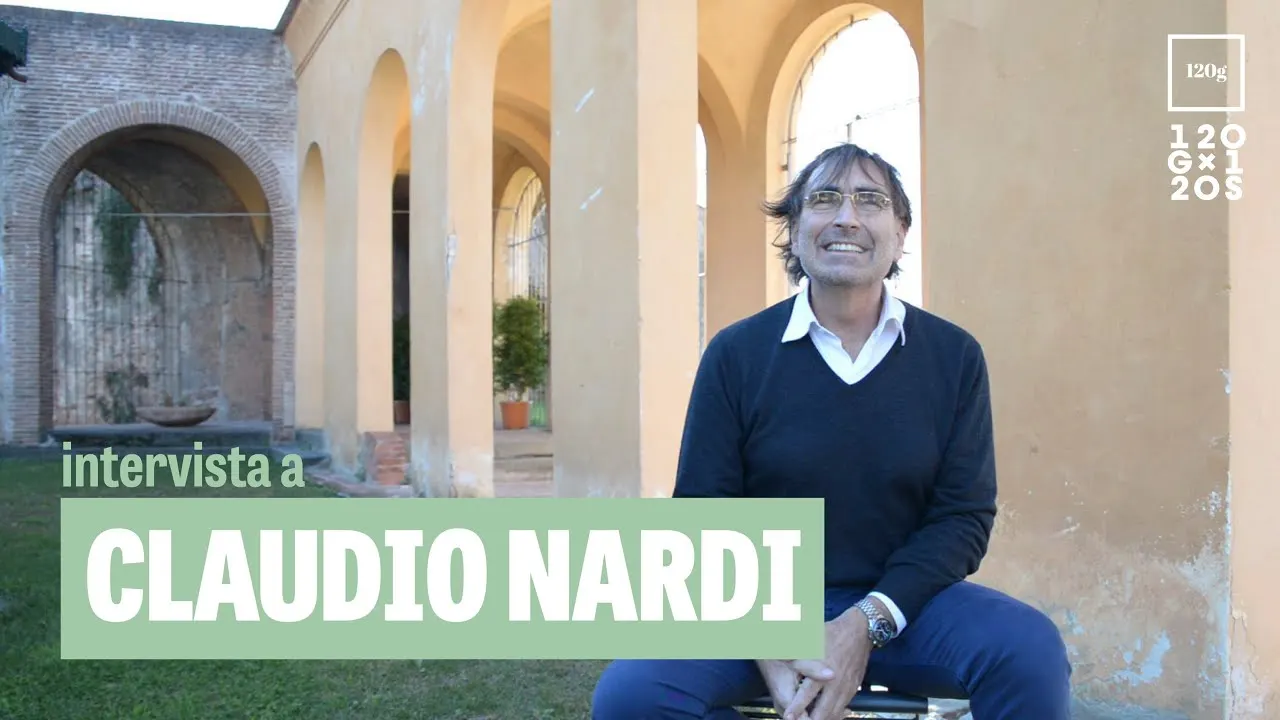
Claudio Nardi
I believe it exists at a “genetic” level, at a subconscious level. I’m not sure if we are actually able to convey these traces through our language. I think it’s a matter of superficiality; there’s an awareness of belonging to this cultural world, but it’s mostly intellectual knowledge, and there’s a lack of inner perception. This is the limitation that creates the difficulty in creating a story that is both contemporary and authentically Tuscan.
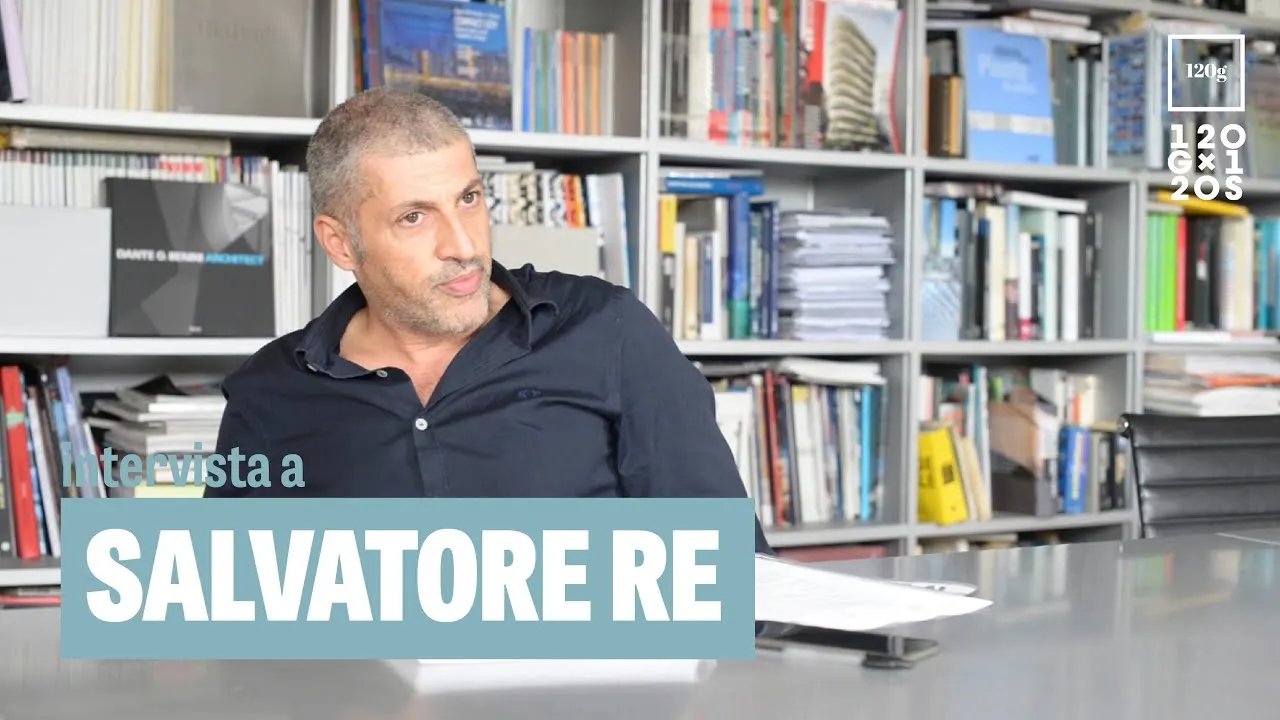
Salvatore Re
We can’t establish a common foundation; we’re like stray dogs. The architects are unable to create a cohesive system or reach a critical mass.
Massimo Fiorido
No, I wouldn’t say so. There’s no established school of thought; that era is over. And there’s no shared identity either: that means finding common ground that manifests itself in the outcomes of our projects. What exists is a sense of belonging to a shared territory.
Fabrizio Rossi Prodi
This underlying element is present in the work of many architects working in Tuscany, but it manifests itself in different ways. I believe there is a common origin that stems from the artisanal traditions and the connection to the religious world of architecture in our region. There isn’t a common style, but there are characteristics that can be traced back to shared factors.
Carlo Nepi
I don’t think so. I’ve never seen a true cultural identity: there has been a great focus on materials, but I’ve never seen a research effort that was truly common.
Augusto Mazzini
I don’t think there’s a specific “Tuscan” identity among architects.
Leonardo Matassoni
Perhaps at a superficial level, in the way they handle spaces. Some architects share certain elements, but it’s certainly not possible to speak of a “Tuscan school” of architecture.
Heliopolis 21
I would generally say no. It is true that there were some masters of the last century who shared a common language, but this does not necessarily define a common language. Perhaps in the field of restoration, a common identity can be found, due to the strong Florentine school in this area.
Pietro Carlo Pellegrini
In the past, this shared identity existed among the great Tuscan masters of the last century. Perhaps it can still be found today through the use of materials; it exists outside of Tuscany, in regions like the Alto Adige or Sicily, but in Tuscany, this sense of shared identity is not as prevalent.
Marco Casamonti
There is a general cultural identity that is inseparable from architectural design: we are all born under the shadow of Brunelleschi’s dome, and even architects who don’t intend to, express this sense of belonging to our region. The common thread is perhaps the ability to connect the ancient and the modern, a result of the humanistic spirit of the Renaissance. This is why Italian architects are in demand abroad, due to their ability to deeply understand the history of a place and reinterpret it in a new way.
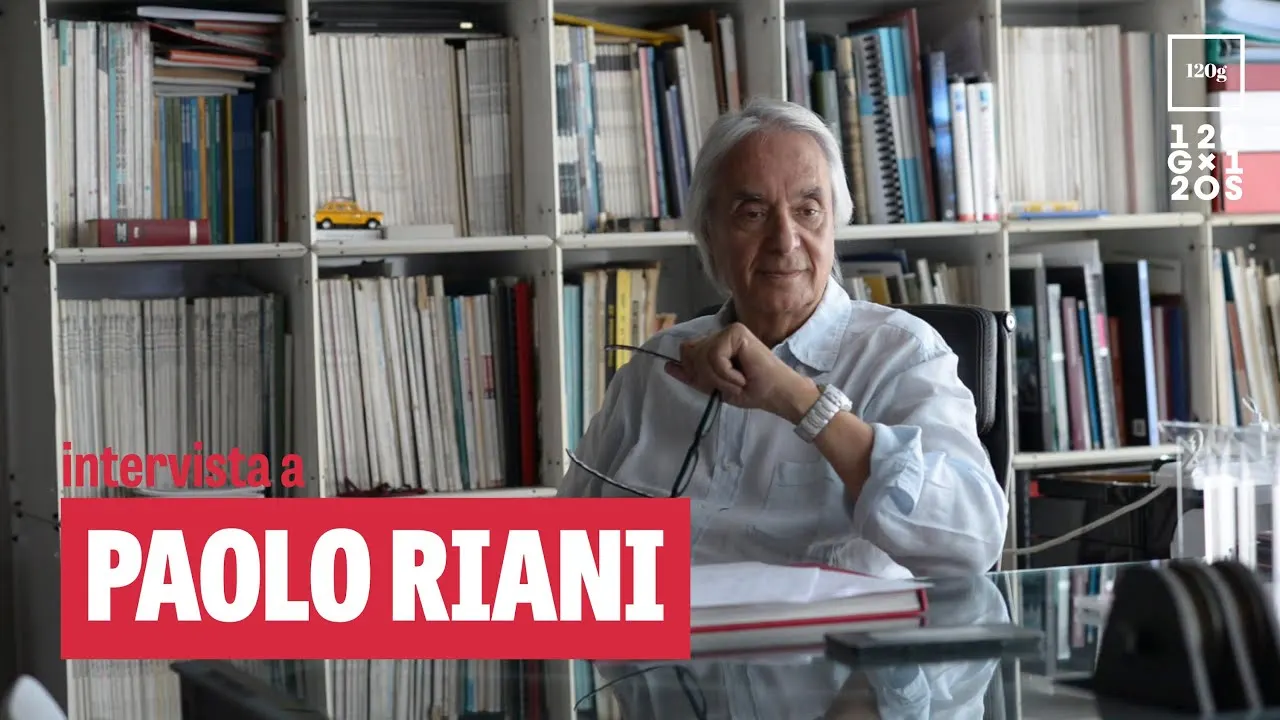
Paolo Riani
I definitely think so. In Florence, a cohesive school of architecture has developed, starting with Michelucci and carried forward by his students and collaborators.
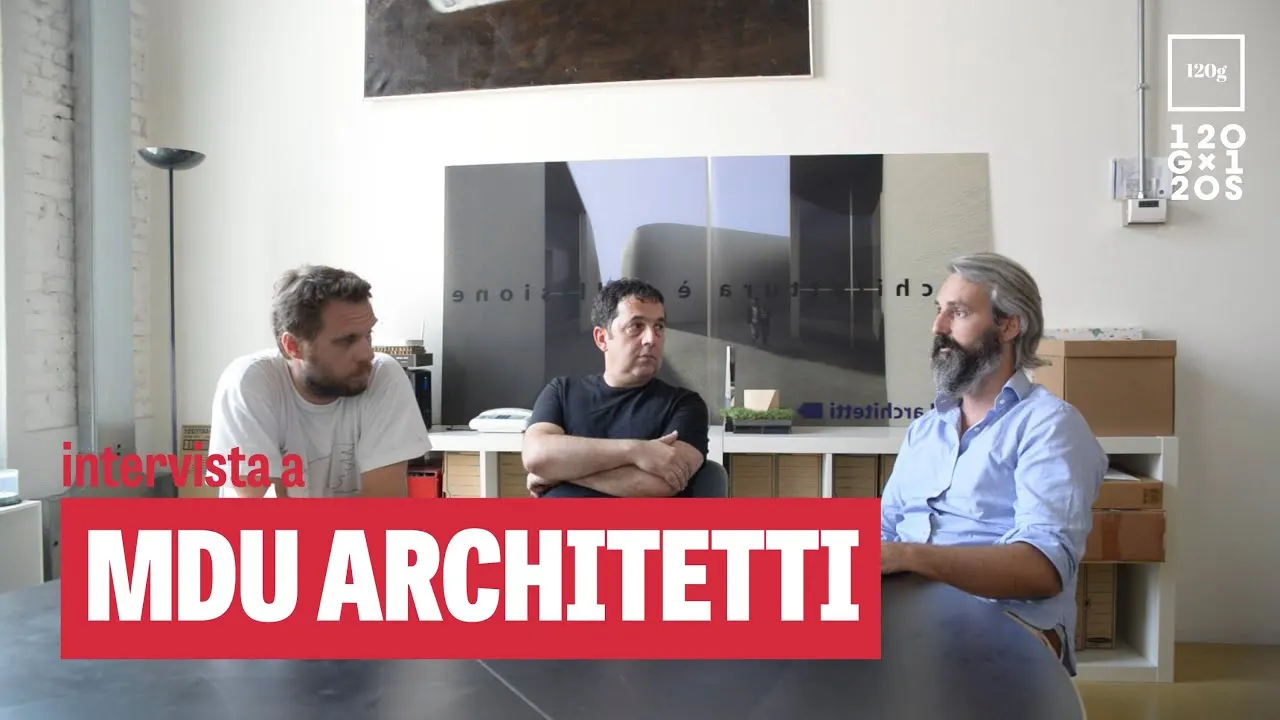
MDU Architects
Rather than talking about cultural identity, I would speak about the experiences that various architects have had. There’s a recurring radical attitude, a way of questioning reality.
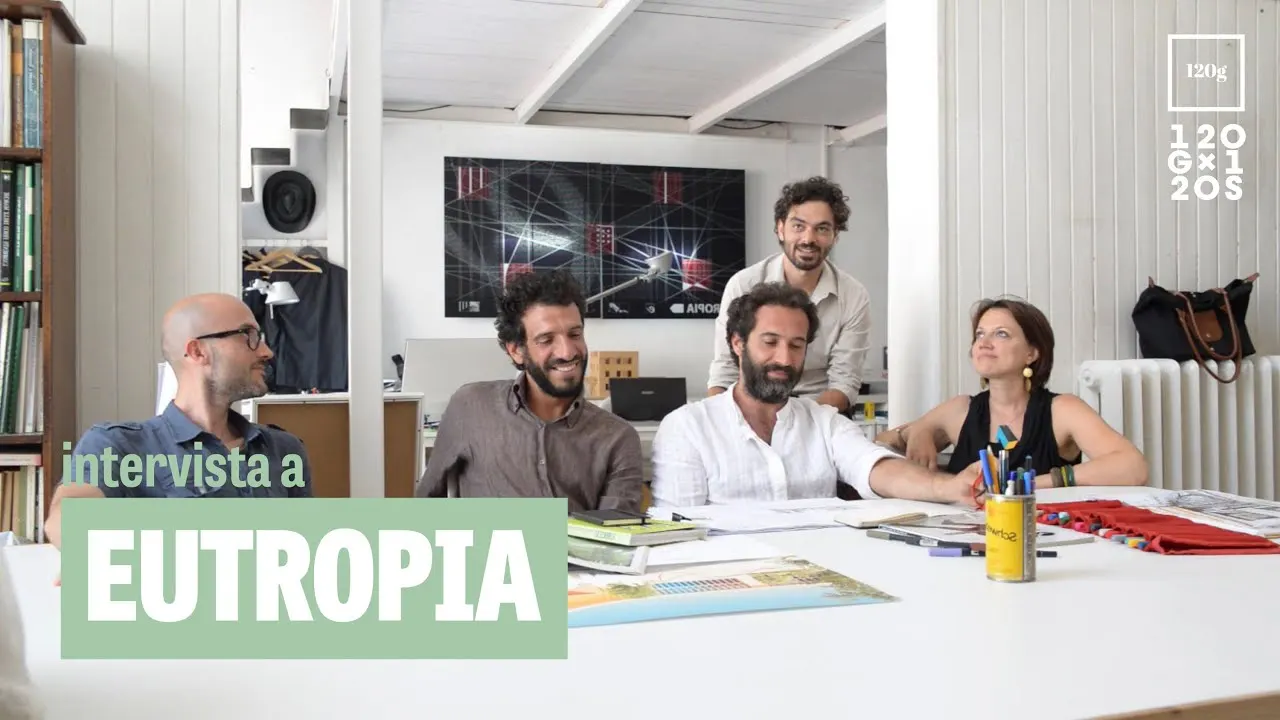
Eutropia
No. There is a formative cultural environment within which Tuscan architects are trained, but there is no all-encompassing “cultural identity” in the traditional sense.
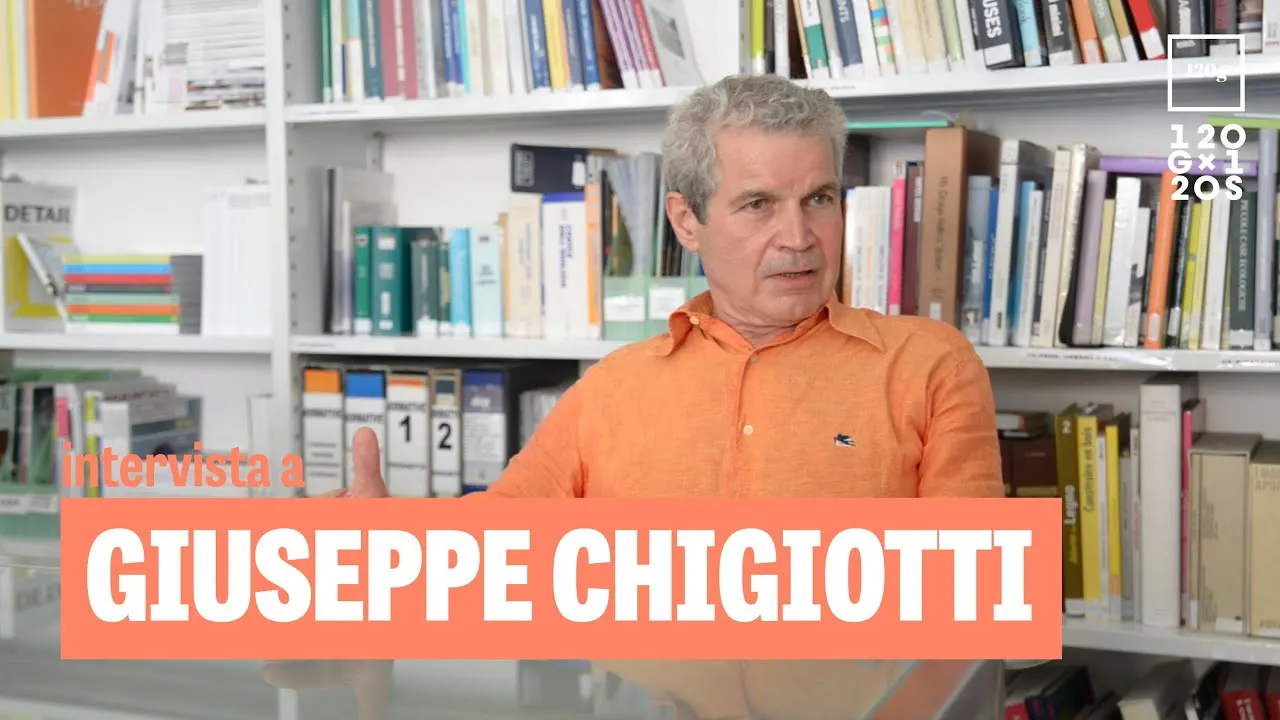
Giuseppe Chigiotti
I believe this was true for past generations who were educated at the University of Florence with the Florentine School, but I believe it has been lost with the newer generations who have been educated throughout Italy.
Landscape
How does one approach the responsibility of designing in places that have a strong and well-established identity?
Claudio Nardi
Architecture is intertwined with nature, and vice versa. The Tuscan approach embodies a sense of sensitivity and lightness in its interaction with the natural world. Tuscany represents a timeless interpretation of living spaces that seamlessly integrate with their surroundings. It’s a dialogue with another identity, where places await words, not violence, in order to create a cohesive narrative. Untouched nature can be monotonous, while in Italy, there is a blend of influences, and it’s crucial to find the right balance when engaging with nature. The landscape is both a resource and a challenge.
Salvatore Re
The approach should be minimal and delicate, but not solely conservative, as the various societies that have come and gone over time have created their own cultures while preserving what existed.
It cannot be just about preservation; there must be innovation through reuse. A balance must be found with radical interventions, preserving what has been given to us while leaving our own mark on the landscape.
Fabrizio Rossi Prodi
We must seek the fundamental patterns and principles of the landscape. The landscape is the result of the historical layering of past human events, which must be understood and interpreted, and from which we can develop or combine elements. He seeks elements within the culture of materials.
Massimo Fiorido
More “place” than landscape, as it is the perceived dimension of the place itself.
The landscape is constructed over time, but it is also shaped by human activity, so we must strive to understand and interact with a place that is constantly changing, unlike the landscapes of the 19th century, which are often framed and static.
We must find the connecting thread that contributes to enhancing the qualities of the place where we work.
Augusto Mazzini
In architecture, there’s the challenge of engaging with the context: not just identifying it, but creating a sense of continuity with it.
Carlo Nepi
In the Sienese environment, this is essential! There’s only one formula: humility in understanding and honest, confident expression. A carefully calibrated boldness is needed, because you can’t simply blend in. You’re not inventing anything new, but rather integrating yourself into a continuous flow, introducing only a minimal variation.
Leonardo Matassoni
“Environmental integration” is a term that’s often misused. It needs to be explored more deeply, grasping the spirit of the place, which is not just physical (materials, colors, textures), but also psychological and metaphysical. It would be better to live in the place to truly understand its elements.
Paolo Riani
An architect designs the framework for life, for objects, for the spaces between things, for cities, and for territories. Identity emerges from this framework, and places transform according to the communities that inhabit them. Identity should be preserved, but not frozen in time. Places must maintain their vitality, so we shouldn’t be afraid of change, as long as those changes are rooted in the history of that territory.
Heliopolis 21
It’s often easier to “do nothing” to avoid causing harm or making mistakes. We must intervene responsibly, especially because it’s often forgotten that the landscape hasn’t always been as it is today. This hypocrisy, common in Italy, allows for anything to be done in the periphery, leading to significant conflicts between the periphery and the historical center, as well as between the north and the south.
Local administrations grant too much freedom in the periphery.
MDU Architects
The approach should not be overly prescriptive; there are spatial, cultural, and economic elements to consider. There is no single method for interpreting the landscape, but rather a sensitive and nuanced understanding. The idea for a project arises from the interplay between mental imagery and the landscape. The approach must be artistic.
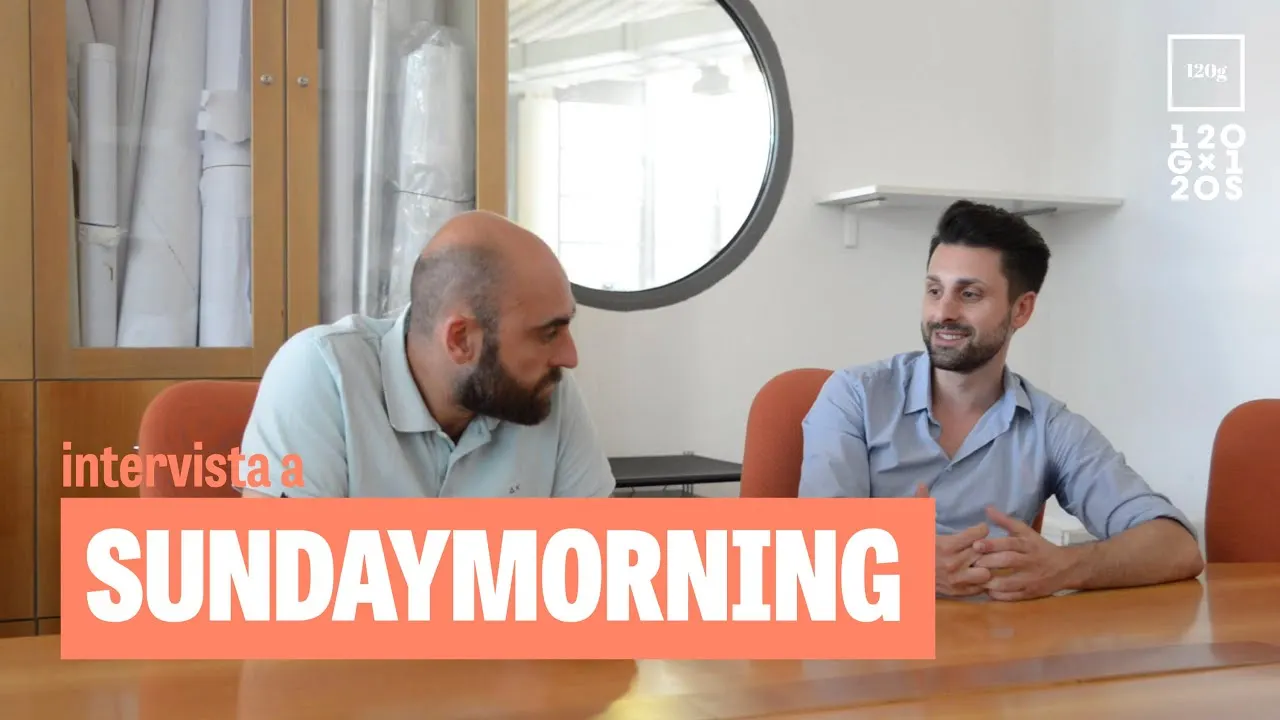
Sunday morning
“To design, you need culture,” as Tavora said. We must go beyond the physical data and delve into history, culture, and perception. In the past, the landscape was often in opposition to the city. Now, everything is landscape, so it is crucial to deeply understand the cultural context we are dealing with.
Marco Casamonti
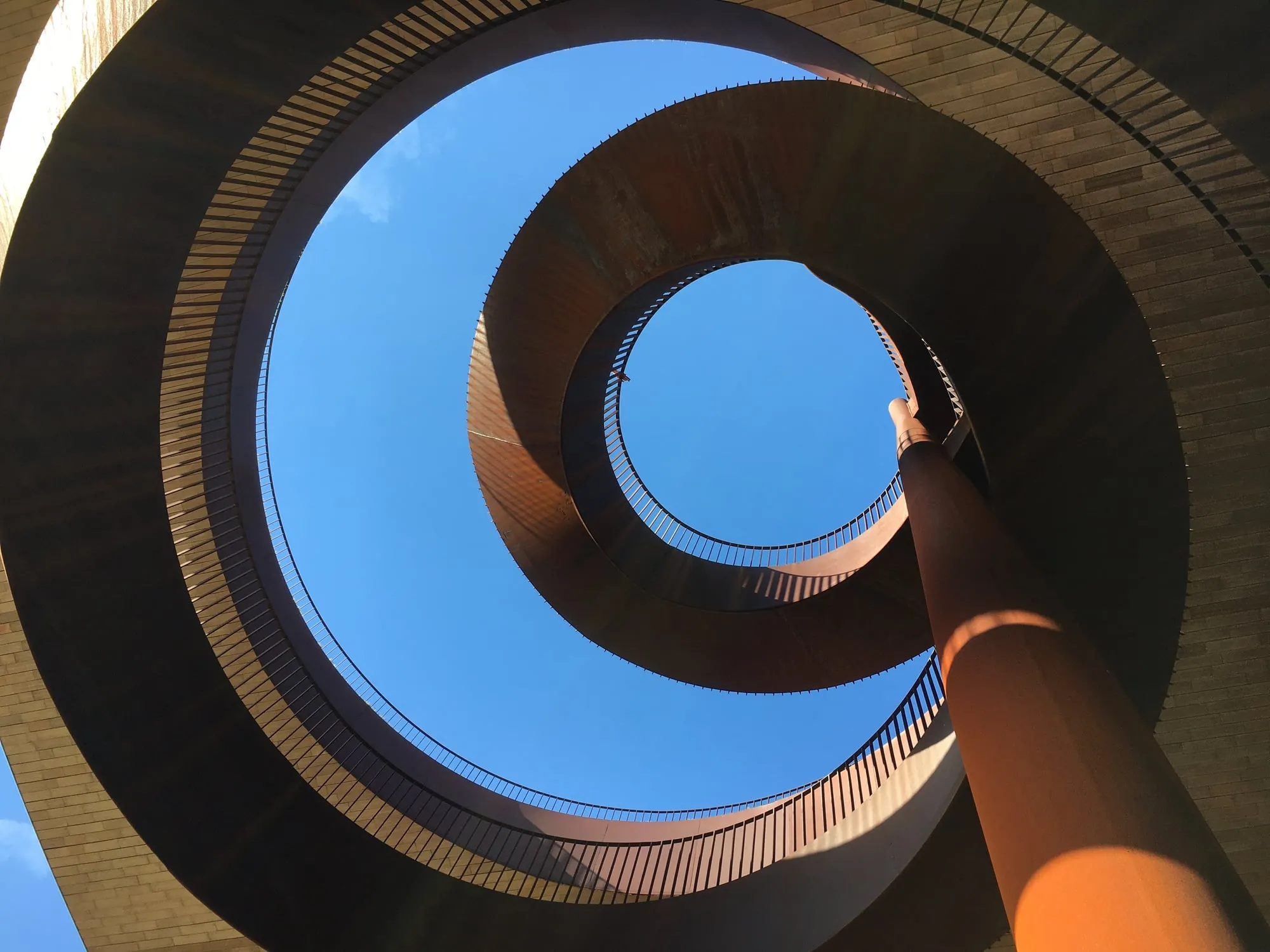
This can be approached in two ways. The first is with absolute respect and humility, a complete integration and incorporation into the existing environment (as exemplified by the Antinori winery, a building that is not seen but serves to enhance the view). The second approach is to intervene forcefully when the landscape is weak and does not offer compelling imagery, in order to disrupt the existing order and create something sublime.
Architecture deals with these two types of landscapes.
Eutropia
In Tuscany, the architect’s relationship with the existing environment is both a duty and a privilege: a responsibility to intervene in a specific place. Their architecture seeks to emerge from what already exists, thereby enhancing both the new and the existing elements. Otherwise, one risks creating beauty in places that are not inherently interesting. When faced with a significant existing structure, the approach should be one of synthesis, requiring a careful removal of elements and a design that is subtle and respectful.
Beauty
Where is beauty today? Is it still meaningful to talk about it? History tells us of a fascinating Italian tradition in the pursuit of beauty. Do you feel a collective need to rediscover it?
Claudio Nardi
I believe it is one of the fundamental necessities.
We tend to think that building design requires greater attention to how it is constructed and to the sustainability of our buildings. The value of “beauty,” which must absolutely be added to the fundamental principles of architecture, is paramount in defining the sustainability of a building.
Architecture that does not embody and reproduce the concept of “beauty” causes even greater harm than that of an unsustainable building. It’s like a poison that slowly seeps into our consciousness, causing us to mistake ugliness for beauty, without us even realizing it. And this is a damage that affects all generations.
Salvatore Re
It’s a word lost to time. We lost it along the way, due to carelessness, due to the desire to be “different.”
It has precise rules of interpretation, scientific elements, a syntax, and its own set of regulations.
We must not misunderstand beauty as being solely about a hedonistic, personal pursuit.
I would like to rediscover not only beauty, but also another concept that has been lost: humanism. If we return to its roots, to its culture, to its solidarity, then we will also find beauty.
Beauty is one of the fundamental reasons why people feel good.
Massimo Fiorido
It’s a crucial aspect of our work: it’s the specific goal of architecture. I can’t imagine an architect who doesn’t strive for it; therefore, it makes sense to talk about beauty.
I believe that beauty is the right balance between ethics and aesthetics. When the content, the values, and the aspirations of a community and an era are expressed and rendered aesthetically, when there’s a fruitful dialogue, we achieve a state of beauty.
Fabrizio Rossi Prodi
Beauty died. The modern era began in the 17th and 18th centuries with the death of beauty: the art of that period is conceptual, and we are following in that tradition. Perhaps beauty itself is not a fundamental element; it is often easier to pursue truth, a method, or a rationale during the creative process.
I cannot deny that in moments of creation, when a particular form or figure emerges, one feels a thrill: we have found beauty. It is almost an erotic element, and this becomes a guiding principle, providing peace and satisfaction.
Even while denying it from a conceptual or methodological standpoint, there is still a common thread that exists in a state of grace: some of us possess this grace, rediscover it, and see it reflected in certain projects.
Carlo Nepi
It risks becoming another cliché, but it’s certainly a necessity.
I believe that existing beauty must be preserved, but our task is to bring it to places where it has never been.
We are creating a “map of contemporary art in Siena,” a catalog of buildings from the post-war period to the present day, to understand that even in these constructions, there is beauty. And, as with all languages, you need to understand the code in order to judge what is being expressed.
Augusto Mazzini
In the case of architecture, beauty is a fundamental but complex aspect. It’s not just about aesthetics or form; it’s about continuity with the surrounding environment, expressiveness, and raising the overall quality.
Leonardo Matassoni
It is often considered superfluous, and that is a serious mistake. In times of crisis like these, the “accountant” mentality tends to prevail, leading to a neglect and a loss of sensitivity. Politicians should be the ones who promote beauty, for example, in the design of school buildings.
Sunday morning
For the architect, the concept of beauty must be linked to the experience of living. The ultimate goal is a total and complete experience, an aesthetic experience of inhabiting a space. “Man poetically inhabits” means that the aesthetic experience is fundamental to the act of living.
However, living is not just about pure aesthetics; it must also take into account broader issues. In our society, the biggest problem is the lack of education about how to live well.
If we do not create the conditions for society to once again appreciate the experience of living, the goal of achieving a complete aesthetic experience cannot be achieved. And it is also our responsibility, as designers, to educate.
Heliopolis 21
We associate it with the concept of quality: when we consider a work to be beautiful, it is because it possesses a certain quality, even related to its maintenance. This is exemplified by the outskirts of cities, which are often abandoned and left unfinished, even though the initial design may be of high quality.
Pietro Carlo Pellegrini
People who live in a beautiful environment are happier. It fosters education, happiness, and a desire to create. This makes me think of schools: with well-designed schools, students are better able to learn and perform well.
Let’s consider what happened in the 1970s: the architecture of that period often made its inhabitants unhappy, despite being created by great architects. I don’t believe these architects were successful in their endeavors. These buildings were expressions of a particular philosophy and a method for showcasing a new type of architecture, but ultimately, they did not make the end-users happy.
Marco Casamonti
The concept of beauty changes over time. There is no universal, immutable beauty that applies to all spaces and times. Space and time are two fundamental concepts in architecture: the idea of beauty shifts within space – geographically, depending on cultural contexts – and within time, depending on the era. What we consider beautiful is valid only at the moment and in the space where we express it, in relation to the cultural and social context in which we find ourselves.
When we seek beauty, harmony, respect, and integration, in accordance with time and space, these values become enduring. We must be consistent with the conditions of the present when we modify the territory; by considering the cultural heritage of the past, we build today to allow people to live in the future.
It is not possible to live in nostalgia or oblivion, nor in the hope that there will be future beauty: we live in the present, and the present is a moving point. The present shifts: but then, how do we grasp a moving point? It’s a mathematical concept; we need to define its surroundings. We must move forward and backward until we grasp that point, which is the present.
We work for the present, and beauty is in the present, but to grasp it, we must constantly move back and forth, until we capture the essence of today.
In practical terms, wealth produces wealth: this is something we should teach our politicians and investors. Investing in beauty means investing in future generations.
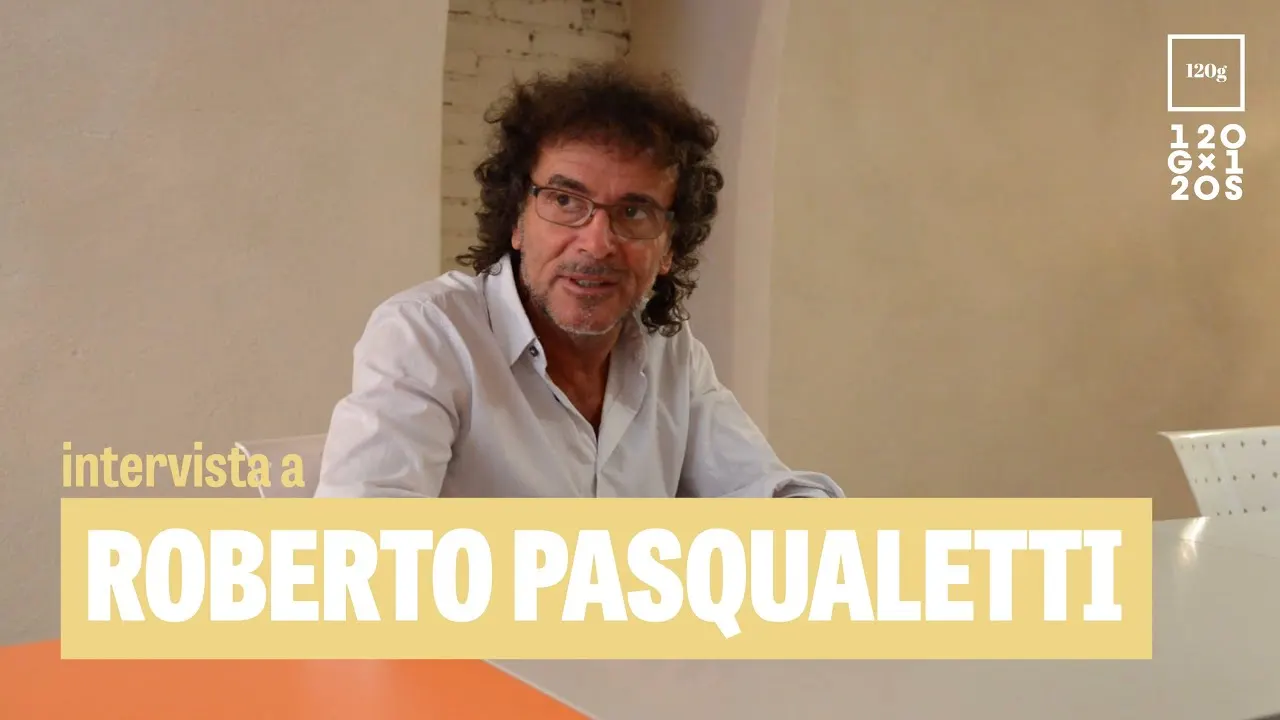
Roberto Pasqualetti
I believe that beauty is inherent in each of us. Just as each of us is a part of the universe, the universe itself is the epitome of beauty, and therefore, each of us carries within us a spark of beauty.
Paolo Riani
It’s one of those magical, enchanting words that, simply by uttering it, seems to vanish. We have lost the ability to recognize beauty; it’s composed of harmony, ethics, and love, and it encompasses everything. The way to regain this ability is to understand what is happening around us, and it is only through the rediscovery of beauty that we can achieve our own salvation.
MDU Architects
Beauty is essential for a successful project, and it is crucial for the project’s proper functioning. If there isn’t a clear underlying principle that connects the project to its initial idea, if it is not consistent with that idea, the project loses its strength.
Eutropia
Beauty is often tied to a particular fashion or moment in time, whereas architecture should ideally be timeless. The honest use of materials and technology is somehow more consistent with the idea of beauty. If, at the end of a project, you can look at it and feel a sense of integrity, then the process that led to it can be considered beautiful.
Giuseppe Chigiotti
It’s fundamental! If you’re not pursuing beauty, what are you pursuing? Wealth?
The Florence Baptistery holds the secret of architecture: it’s a Romanesque building that reclaims the language of Roman architecture. And when Brunelleschi designed the Ospedale degli Innocenti, he looked at it; that’s where continuity lies, and where we see the connection to architecture and history.
Standards change, and beauty doesn’t always conform to the usual standards.
Method
Where does a project begin? Is there a method, an approach, or common stylistic elements?
Sunday morning
The design process is not a linear activity with a clear beginning and end. It involves continuous revisions and a never-ending process of self-reflection. The outcome of a design is determined by contingent factors. We must consider the context within which we are operating. In this moment of historical fragmentation, context plays a fundamental role.
There are fundamental elements, namely the process of comparison and the continuous verification of design solutions, which applies to all the projects we have undertaken. The approach involves embarking on a path and seeking to control and verify the results. This is achieved through drawings, whether physical or digital, which serve as a means of exploring the project and conveying a visual representation of the design concept.
Marco Casamonti
Certainly, there is a method. Design is a creative discipline that is based on certain principles and methodologies. In the past, writers produced treatises that served as methodologies for achieving excellence. Established orders represent the recognized standards of beauty. The Renaissance emerged from the establishment of rules. While architecture is not an exact science and its results can vary, it does have its own methods, codes, and rules. The tension between tradition and modernity is often expressed through these rules, as seen in the “five points,” which can be interpreted as a critique of the past. There are undoubtedly methods, or rather, multiple methods, that have been extensively discussed in both classical and modern history.
In contemporary times, everyone can develop their own methods, but in reality, the consistency with the assumptions one establishes is what guarantees the result, or rather, the uncertain result. Solving an equation where 1+1+1+1 always equals 1…
MDU Architects
There are a number of guiding principles we adhere to, but I wouldn’t necessarily call it a methodology. These are very diverse references. We have a somewhat chaotic approach with significant setbacks, but then it picks up momentum again on its own. The students who come to participate in the projects often find themselves disoriented by this unconventional approach. The project also arises from external stimuli; perhaps encountering someone before going to bed, or having an idea, which can propel the project forward. Some people create models, and this helps them get closer to a solution. Each study has its own method; it’s a complex alchemy, but because we don’t have a fixed method, the project progresses in leaps and bounds, with sudden setbacks. Sometimes, the context influences us so strongly that the project takes a particular direction. At other times, a context that doesn’t offer the same inspiration leads us to develop a more complex methodology, and we proceed more through trial and error.
Pietro Carlo Pellegrini
Architecture is not a style. There are architects who have a distinct style, where every project they undertake is recognizable, and that can be a desirable quality. What interests me is the presence of a logical thread, a guiding principle, but each project must be personal, different from the others. There should be an approach that is informed by the place where you are working, by the materials you perceive, by the sensations, the memories, and the people who will eventually live there. I believe in a certain eclecticism, an architecture that can be integrated through the skills and craftsmanship involved. Architecture is also a relationship with those who will ultimately realize your project, the craftsmen who will bring it to life. The method should also be somewhat instinctive, a desire to carefully consider the composition. It’s a combination of memories you’ve carried with you and the people you meet, all blended together in the work.
Salvatore Re
There is a method that has a precise syntax and well-defined rules. The method is the ability to carry out specific actions while minimizing errors. There will be no targeted and effective action without a proper analysis of reality. When you commit to following a path, and therefore a method, with discipline and sacrifice, it will be easier to achieve your goal.
Fabrizio Rossi Prodi
This method exists within our tradition and education. We have found the writings of Vitruvius, but not the drawings, and this has initiated a phase of literary and theoretical reflection on architecture. We always need a literary and rational basis, starting from a written text to hypothesize what the drawings might be. There is a theoretical and rational foundation, of course provisional, because there is nothing less scientifically methodological than architecture. We always need this foundation to practice architecture. This vision, which has spanned centuries, is strengthened in rationalism, which is the epitome of reason. My work is a revised rationalist approach, a motivated, communicable, and transmissible work. It must be told through words, even though it involves formal choices, spaces, volumes, landscapes, and relationships with people, but it must always be tellable. Two key words: locus and character. Locus refers to the area, context, landscape, and relationships with the surroundings. Character is the expression of the deep essence of the institution being created, and the way it is communicated to people and those who inhabit it, creating a sentimental bond that involves the people who will eventually live there. The project is a continuous exploration of all these aspects.
Designing Architecture
…In Italy today, what does that mean? What opportunities do new architects have to work in the Italian peninsula, and in what ways?
Claudio Nardi
In Italy today, there are more opportunities, and a growing awareness that we must build upon what already exists. We have often considered demolition and reconstruction, but I am particularly fond of the concept of “re-architecture,” which involves designing architecture using elements and components from existing structures. If we can make this approach a defining characteristic of Italian architecture, then we can truly shape the future.
Eutropia
It’s important to discover the world of work by learning from those who know more than we do. The most important thing was to understand what I didn’t want to do, specifically technical studies, and to discover how vast the profession of architecture truly is. There is no designer who simply gives orders; there are many specializations that can be seen as opportunities. The main piece of advice is to explore the world of work and understand your own inclinations. Choosing a good mentor is crucial, just like in a traditional workshop.
Sunday morning
The current historical moment is the most difficult for architects. We have a cultural problem, where the awareness of how we live has been lost, along with the goals and means to create a cultural landscape. We have a duty not to abandon the ethical dimension of our work.
Marco Casamonti
We need to focus on modifications. A society is alive to the extent that it can adapt and evolve. Italy, as a territory, places great responsibilities on us. We have built a lot, and often poorly. The responsibility lies in realizing that we must stop building. We must stop consuming land, but instead build on existing structures, perhaps by integrating nature into those areas. In the past, construction was seen as a long-term investment. We lack perspective; we need to stop consuming
MDU Architects
Today, it is extremely difficult. Working is generally very challenging; one must be a superhero. First, we must overcome the skepticism and the legacy of contemporary architecture, and then create a project that is worthy of it. We must be able to recognize the quality of the architecture that is created.
Pietro Carlo Pellegrini
Architecture has always been a difficult profession. In the post-war period, there was good investment; afterwards, there were speculators. However, it’s important that architects always remain democratic and ethical.
The current crisis has also been a positive thing. We were intoxicated by consumerism, but thanks to the crisis, we have had new reflections. We need to be simpler, with lower costs, more certainty, and less fanciful ideas.
Salvatore Re
Practicing architecture in Italy is a sacrifice, a mission. This beautiful country doesn’t treat us well. Italy hasn’t developed a cohesive system. Corruption and shady dealings have always been prevalent. Architecture carries with it a significant economic burden. We need to rediscover architecture in Italy. Young people need to reclaim their cultural heritage.
Fabrizio Rossi Prodi
Practicing architecture today is a task for superheroes, and it has become a very precarious profession. It’s difficult to come up with new ideas and actually realize them. For young architects, it’s even more challenging; fortunately, there are a few more competitions, which are a good way to select promising ideas.
Augusto Mazzini
The current landscape is not very inspiring; everything feels a bit stagnant. We need to look beyond our immediate surroundings, as staying here is unproductive. We must acknowledge the limitations within which we work, but there must also be room for the highest possible quality
Carlo Nepi
Practicing architecture in Italy today means doing nothing. There is no work available. We are at the lowest point in terms of social acceptance. We are facing a kind of cultural catastrophe. Young architects either have to leave the country or they have no opportunity to work. The bureaucracy is completely irrational, with an excessive amount of legislation and regulations.
Massimo Fiorido
Practicing architecture today is an act of heroism, for my generation and for the younger ones. It is a form of resistance against a system that seems designed to make it difficult to practice the profession. The culture of design is not encouraged. Regulations consume an enormous amount of energy, which should instead be directed towards improving the quality of the design. It is not easy to make ends meet.
Leonardo Matassoni
Now, it’s fashionable to ride the wave of “volume 0.” However, politicians and those in the cultural world should have the intelligence to distance themselves from the prevailing sentiment. We risk losing the cultural contribution of an entire generation.
It seems that it’s impossible to do things and do them well. It takes courage to change course.
Paolo Riani
The ethical and professional role of the architect has been lost. Designing buildings is also a social issue.
Heliopolis 21
Designing buildings today is a disgrace. We represent a form of resistance. It’s almost a mission, despite the regulations, bureaucracy, and rules.
Roberto Pasqualetti
There’s a huge amount of work to be done, a remarkable amount of restoration needed. We are lagging behind economically and politically. We need to be taken more seriously. The old guard of architects needs to be replaced. There is so much work to be done.
The interviews
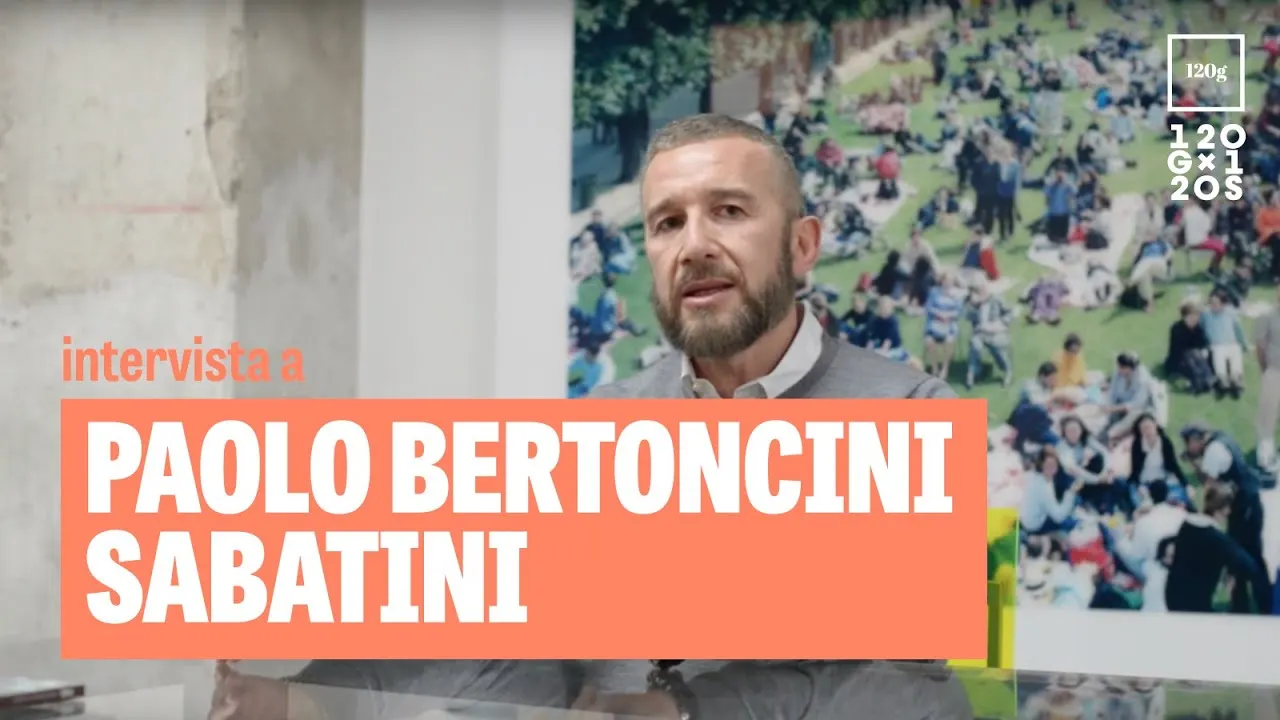
Paolo Bertoncini Sabatini
Paolo Zermani
“Tuscanyness” - the film