16th Architecture Biennale: Another generosity
· Automatically translated from Italian
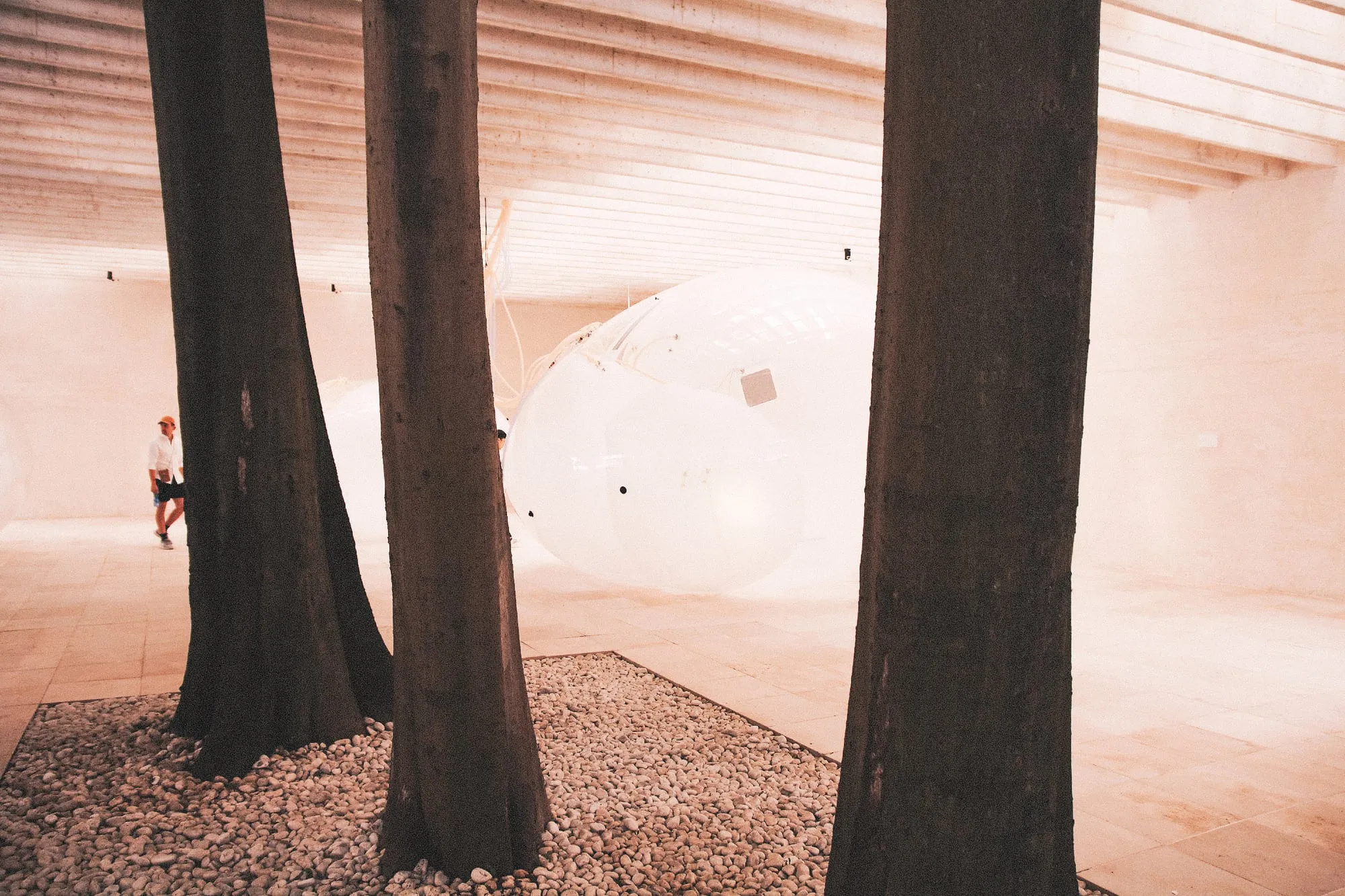
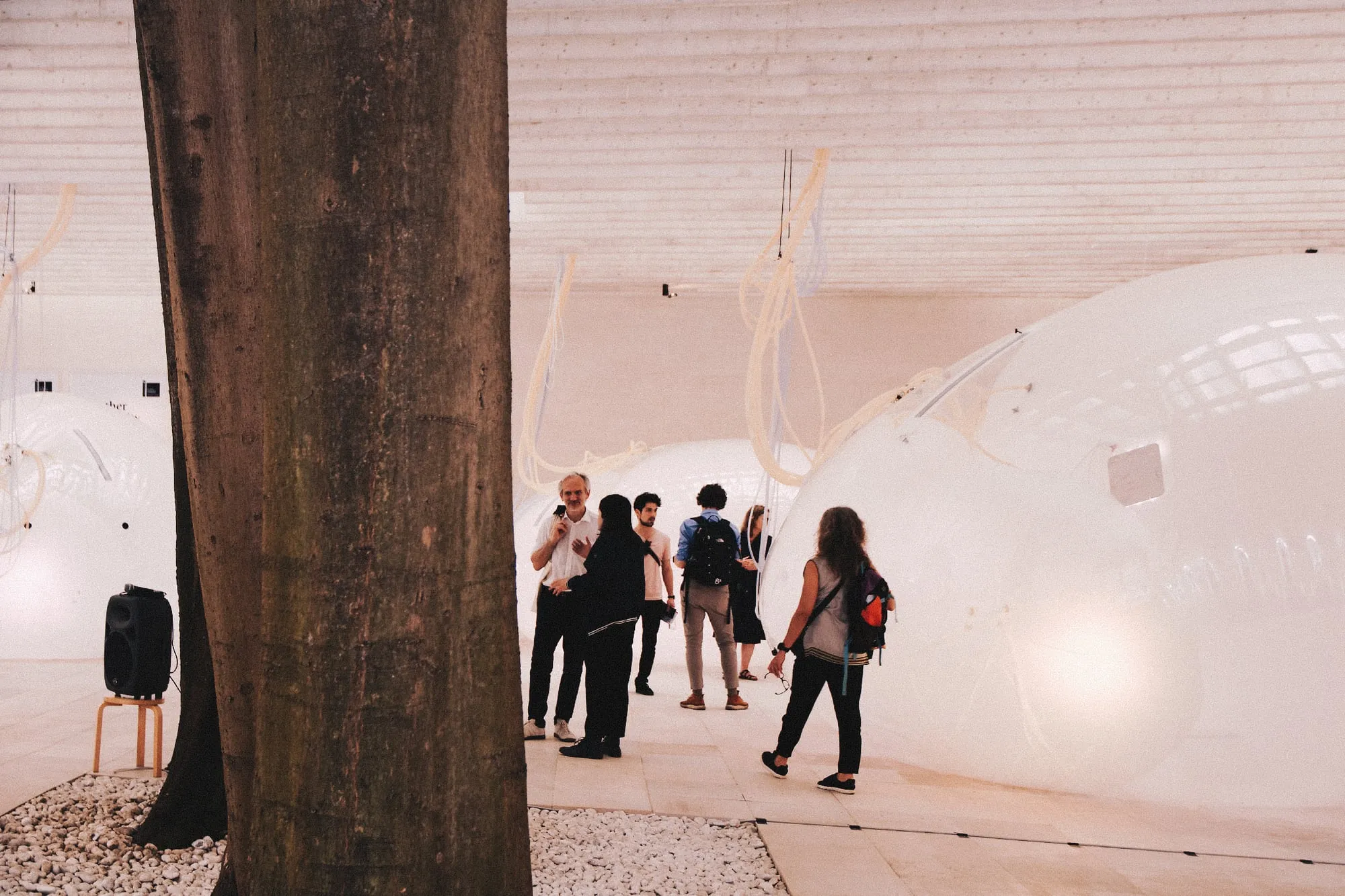
In response to the theme of #freespace, the Nordic countries presented #anothergenerosity, an initiative aimed at challenging an anthropocentric view of the world and promoting solutions, initially philosophical rather than technological, that seek to foster a symbiotic relationship between the built environment and the natural environment. This spirit is encapsulated in the pavilion’s motto: “A generosity not just between humans, but between humans and nature.”
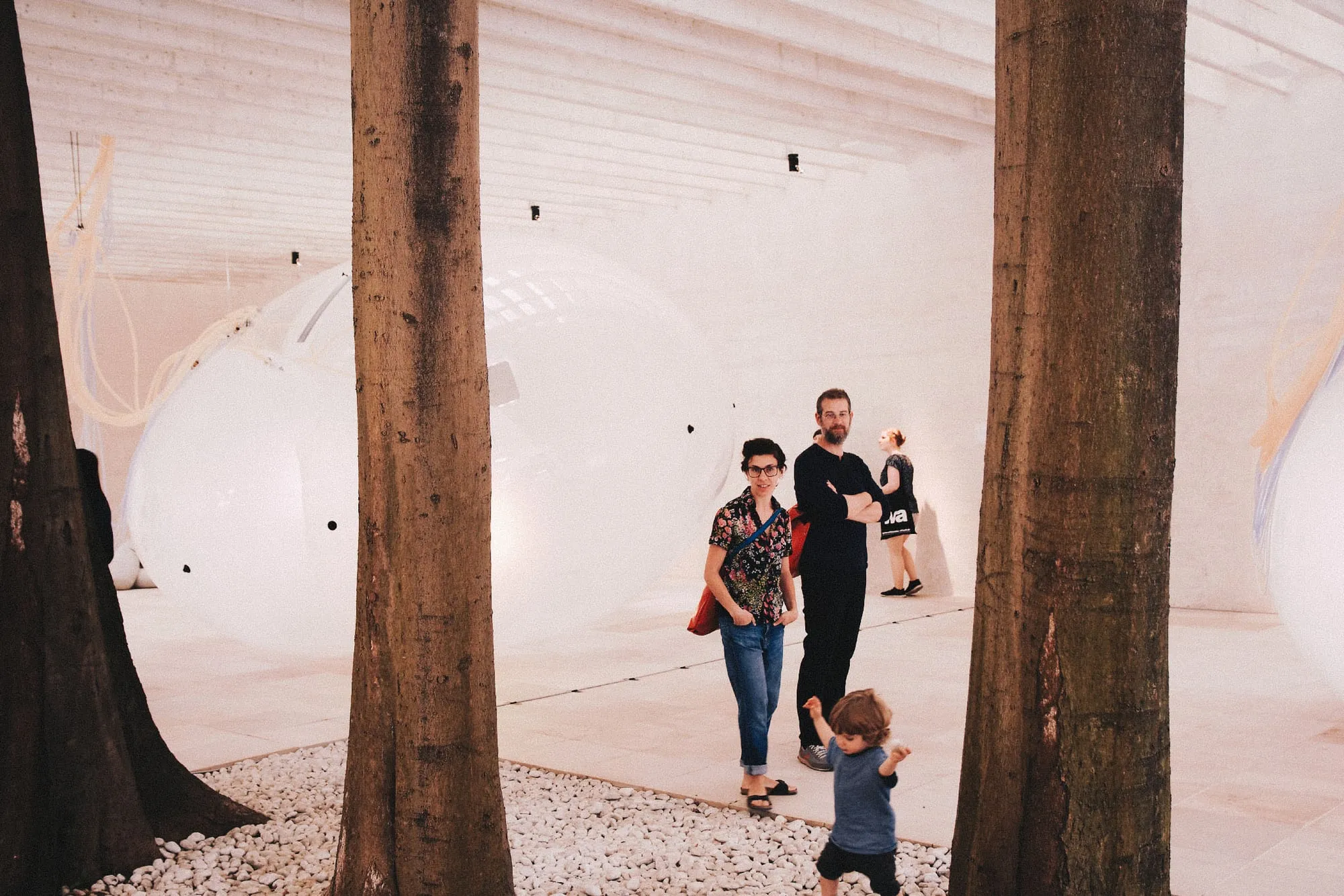
The design by Sverre Fehn certainly contributes to the overall pleasant experience; however, it should be noted that the curators, Eero Lundén (Lundén Architecture Company) and Juulia Kauste, have managed to integrate their work into the space in an interesting way. They have presented elements with organic shapes, large enough to have a significant presence within the pavilion, as a metaphor for the hoped-for renewed relationship between the natural and built environments. These objects mimic cellular structures, are made of transparent and opaque plastic materials, and change color and shape through contact or in response to variations in lighting and humidity.
It is an invitation to reflect on the relationship between the built environment and nature, and how this relationship can be modified through the skillful use of technology.
We, as a cultural association, greatly appreciate this approach and are actively involved because, in our latest publication D1GIT, Olga Carcassi proposed considerations in her article that were very similar to this.
The questions that the installation raises all stem from the need to reinterpret how we use technology, shifting the focus from achieving certain standards of efficiency to the more pressing need to drastically change the way we inhabit the planet: is it possible for humanity to adopt a modus operandi that moves away from anthropocentrism and towards a symbiotic relationship with the environment? Can we consider a building as an organism within the ecosystem, and can this be a path towards thinking about sustainability and architecture as interconnected concepts? What role does the architect play in this scenario?
We found this contribution compelling because of its ability to raise significant questions through a delicate installation, imbued with Scandinavian sensibility.