Architecture · Exhibitions · Visual arts
The swing shop
Riccardo Bartali · · Automatically translated from Italian
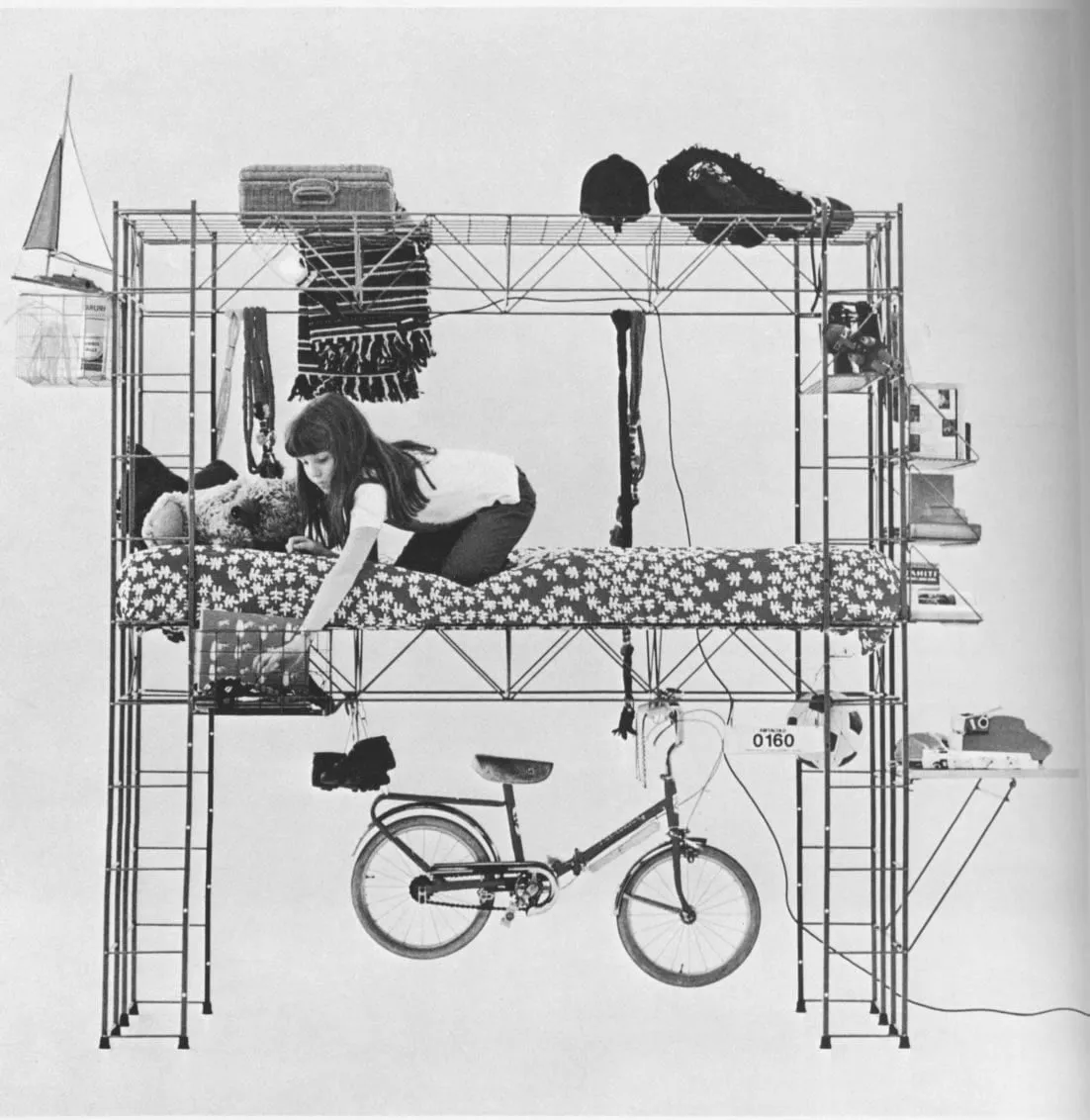
What is a cockpit? In single-seat aircraft, it’s the pilot’s seat, containing controls and instruments; in larger aircraft, it becomes the flight deck. In all types of cars, it’s the space that accommodates the passengers. In spacecraft, it’s the space that houses the astronauts, along with everything necessary for them to live and control navigation
The ‘abitacolo’ is essentially the living space. Figuratively, it also represents a person’s innermost private sanctuary, the internal space where everything that constitutes one’s world is located
Bruno Munari
We drew inspiration from Munari’s designs to create a simple yet versatile structure, which we believe will find applications in various fields
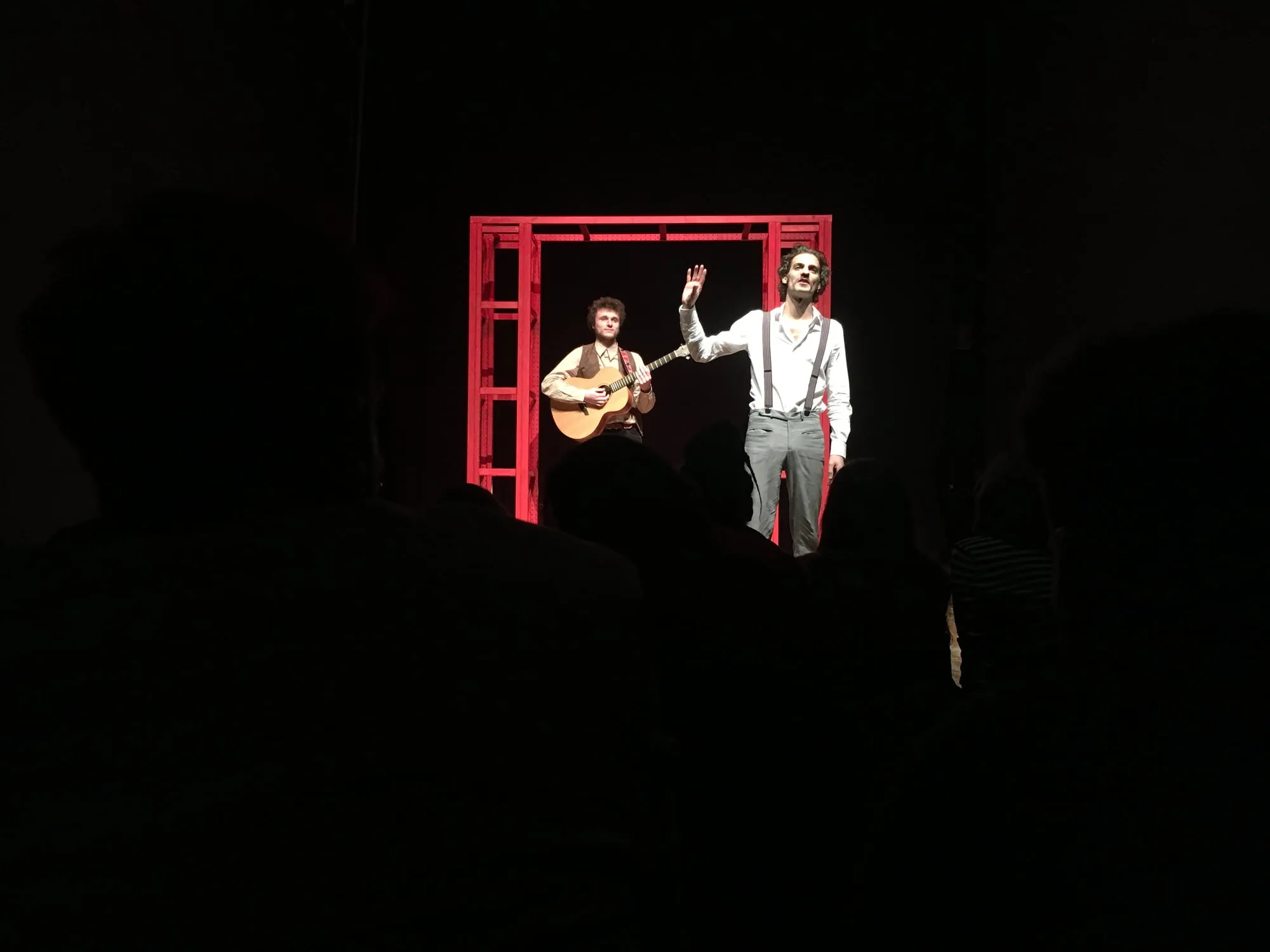
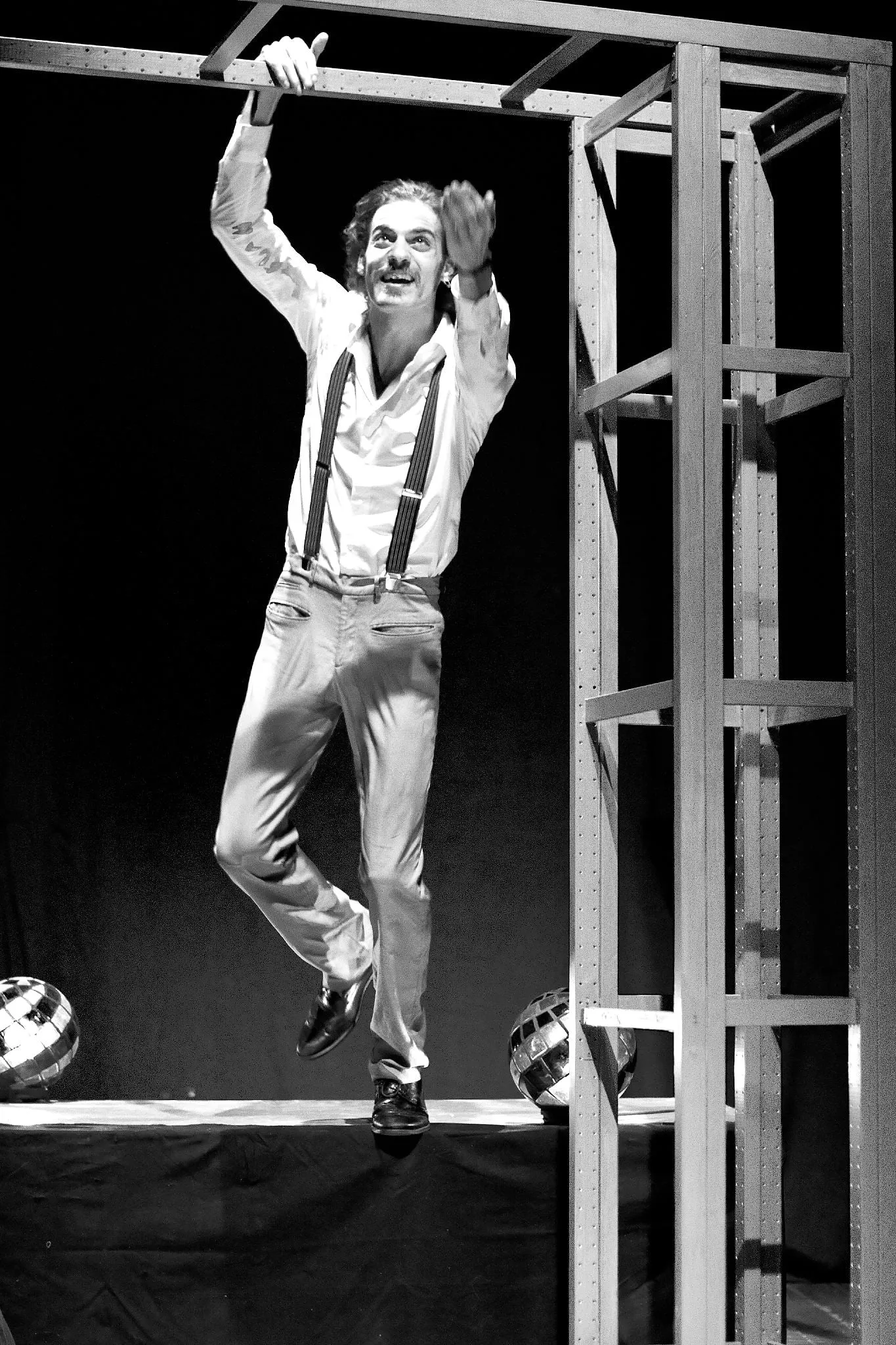
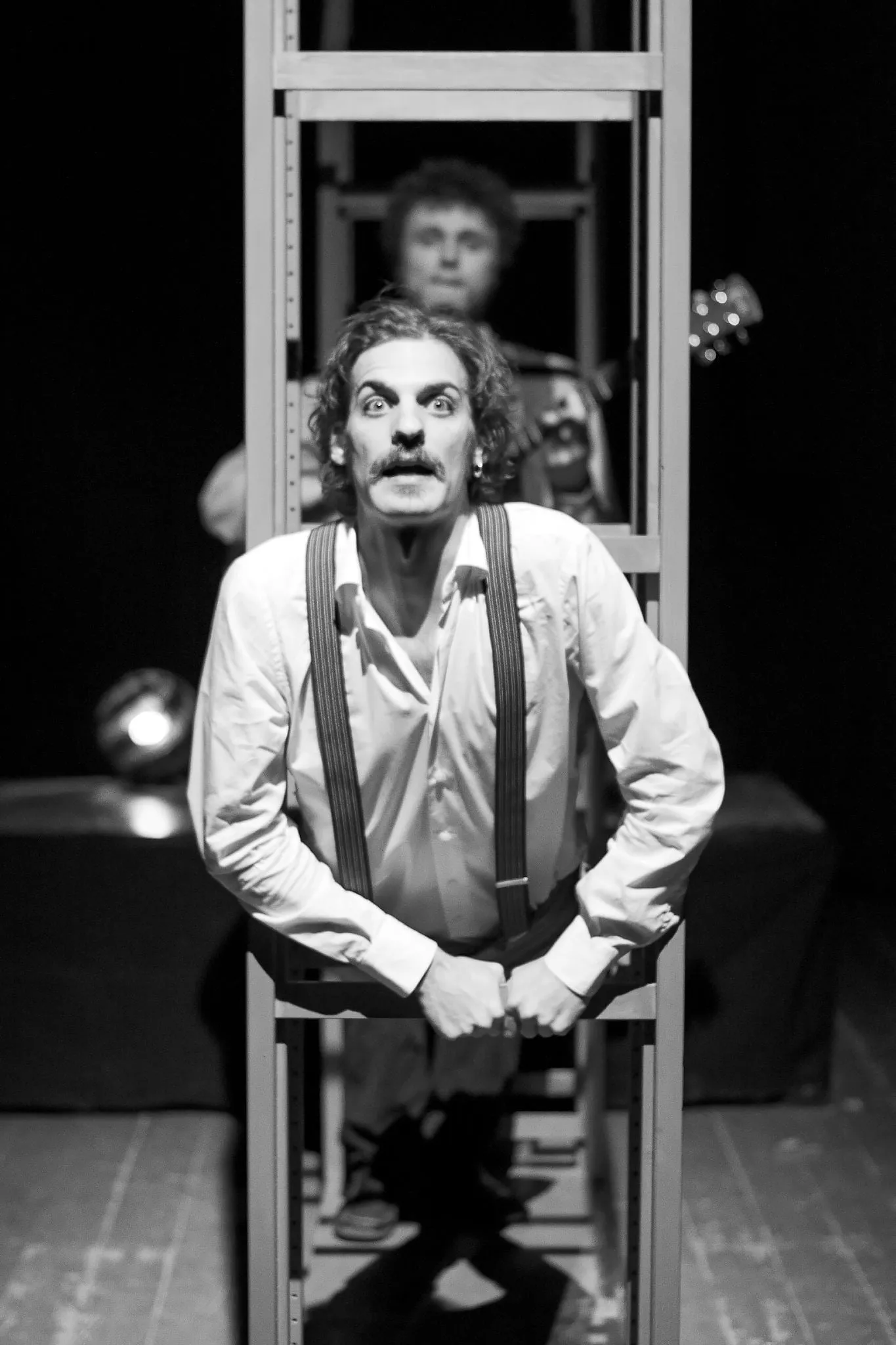
This theatrical design is easily adaptable and can be used in a variety of settings, including windows, balconies, boats, cars, and sofas.
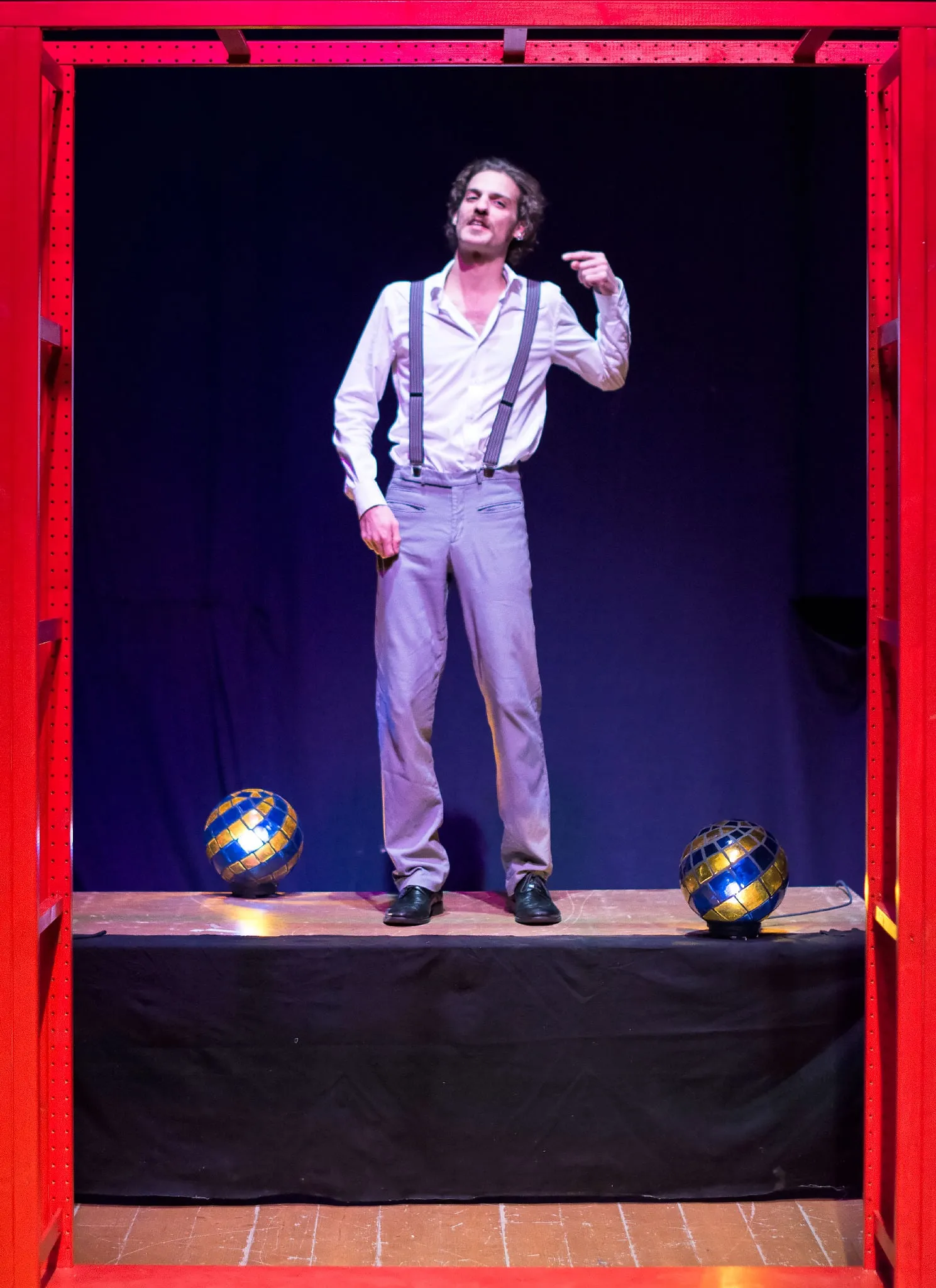
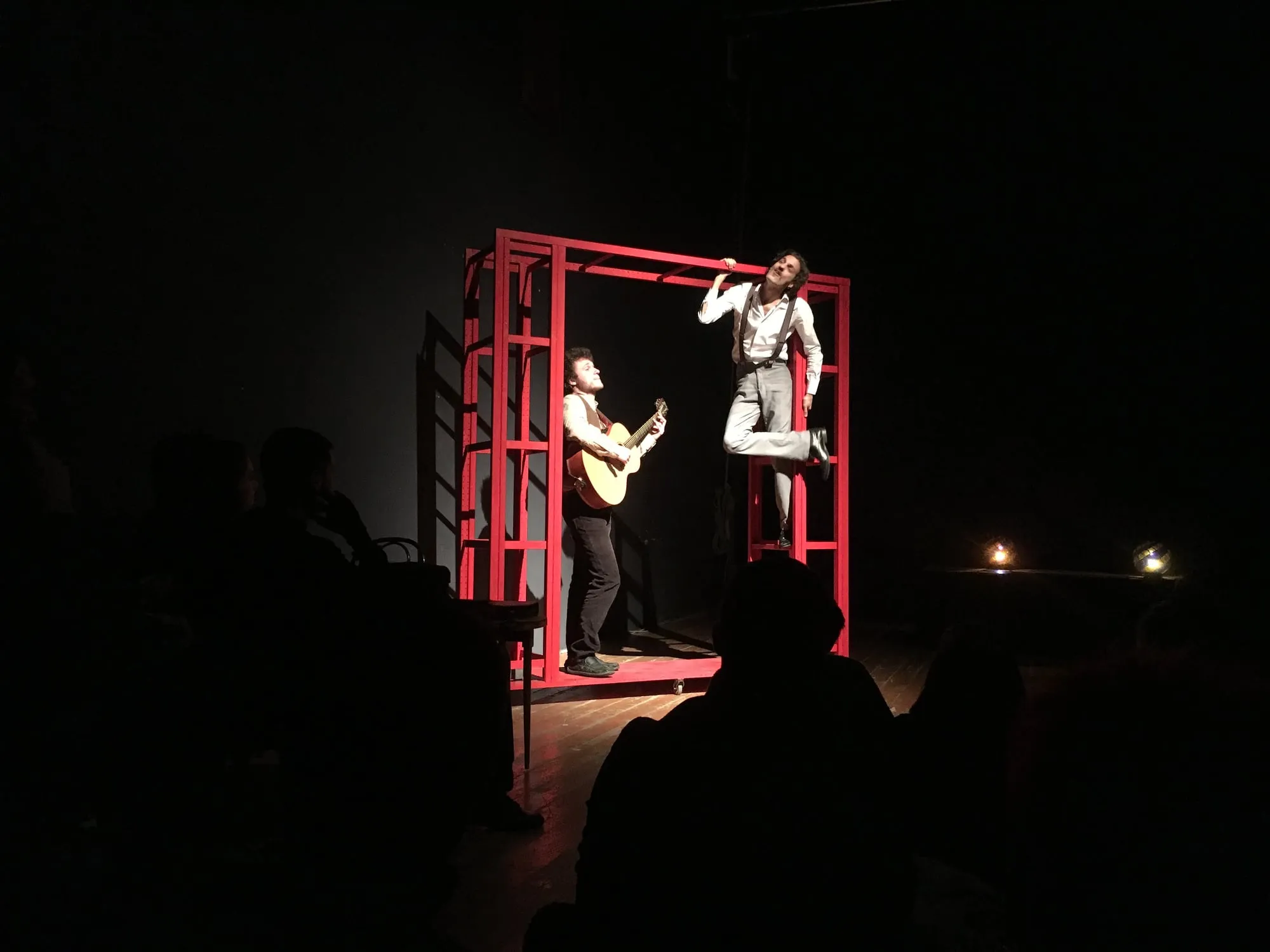
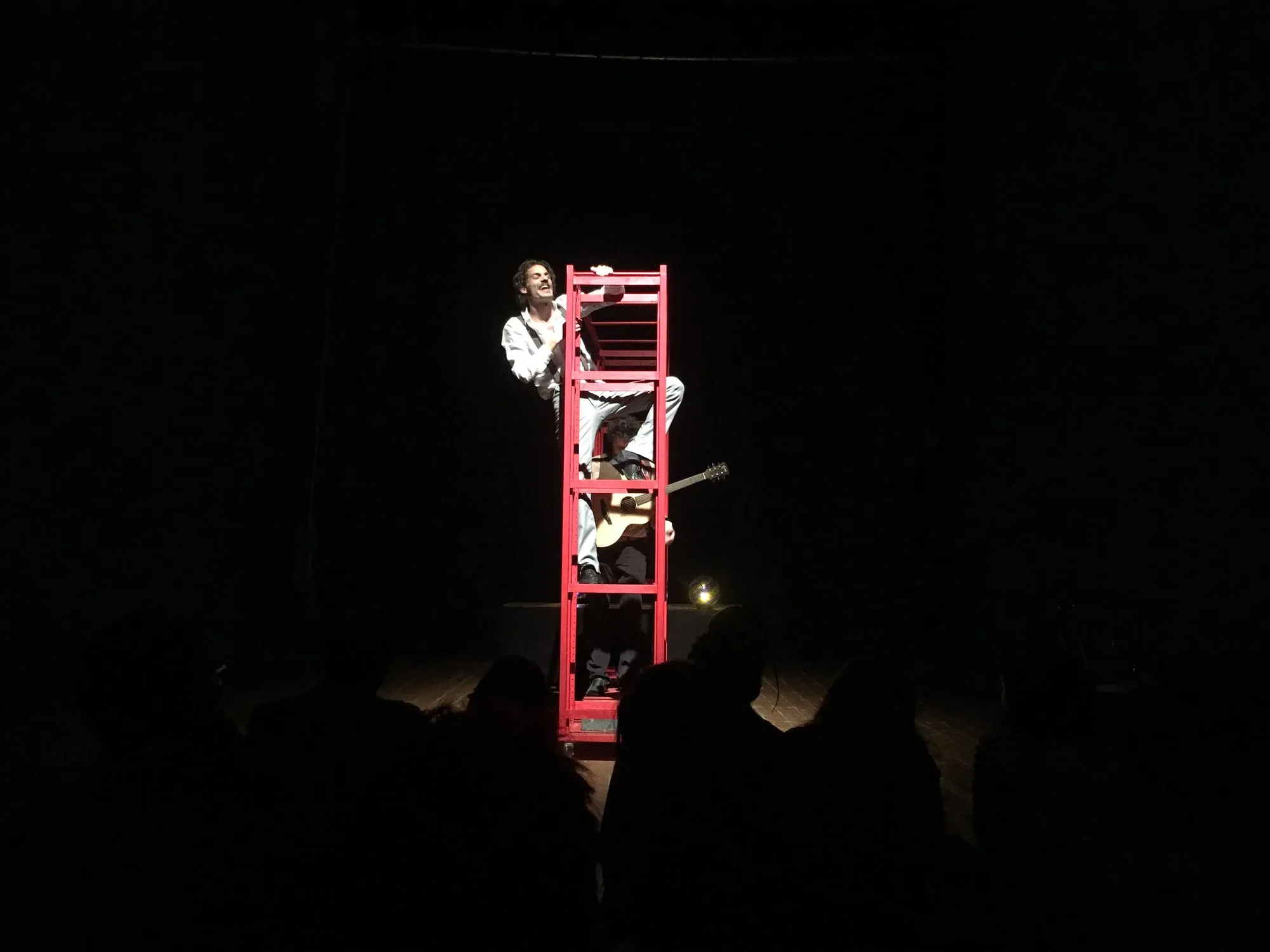
The only prop in the scene stands out with its vibrant color, yet it remains simple and understated
A neutral object, moved from one side of the stage to the other, transforming the space into a place and giving it back
A precise image. The two lamps, handcrafted by Chiara Bartali, evoke the warm glow of…
Venice, and thanks to the grid structure built above them, casts shadows on the ground that resemble the grid itself
“Sanpietrini” refers to small, flat stones, typically used for paving roads or walkways. They are often quarried from specific locations and have a distinctive appearance.
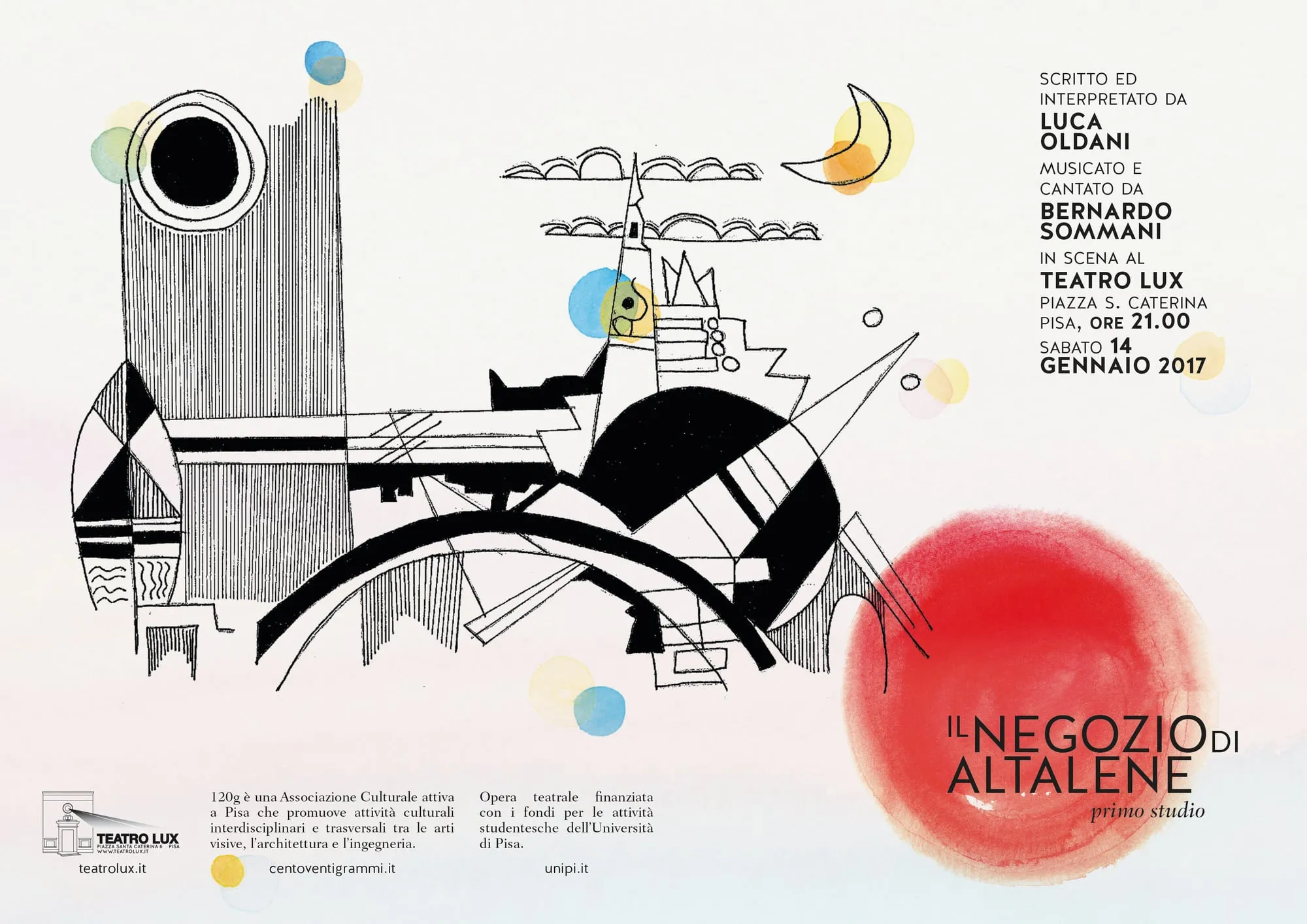
An imaginative interplay of words and objects, staged in Pisa on January 14th and 15th, with two sold-out performances at the Teatro Lux.
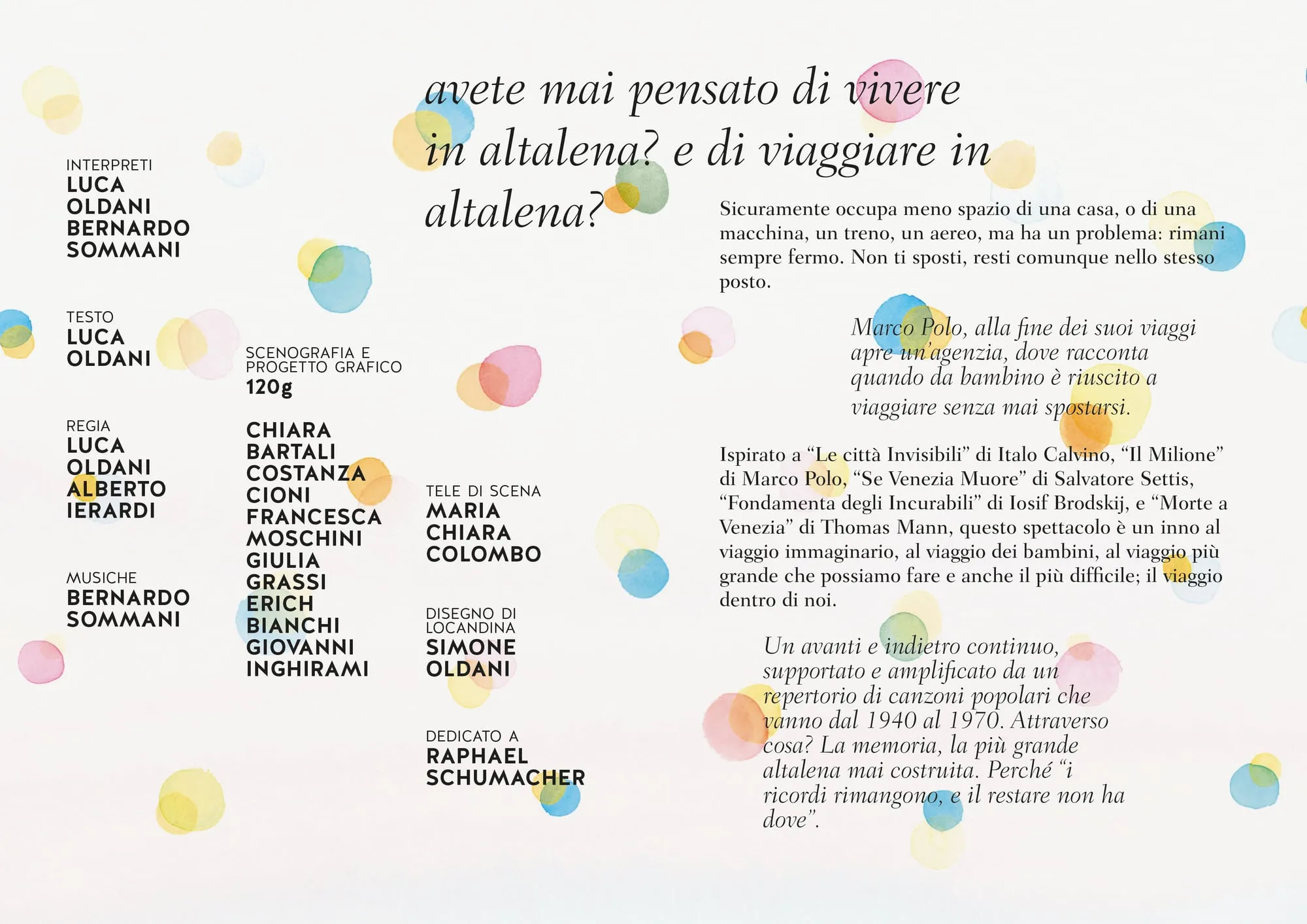
Certainly, this structure occupies less space than a house, or a car, a train, or a plane, but it has a problem: it always remains still. It doesn’t move; it stays in the same place.
At the end of his travels, Marco Polo opens an agency where he recounts how, as a child, he managed to travel without ever moving.
Inspired by “Invisible Cities” by Italo Calvino, “The Travels of Marco Polo,” “If Venice Dies” by Salvatore Settis, “The Foundations of the Incurables” by Iosif Brodsky, and “Death in Venice” by Thomas Mann, this performance is an ode to imaginary travel, to children’s journeys, to the greatest journey we can undertake, and also the most difficult one: the journey within ourselves.
A continuous back-and-forth, supported and amplified by a repertoire of popular songs from the 1940s to the 1970s. Through what? Memory, the greatest swing set ever built. Because “memories remain, and there is nowhere for them to stay.”
Opening quote by Bruno Munari, “What is a cockpit?”, for Robots of Milan, DOMUS no. 496, March 1971
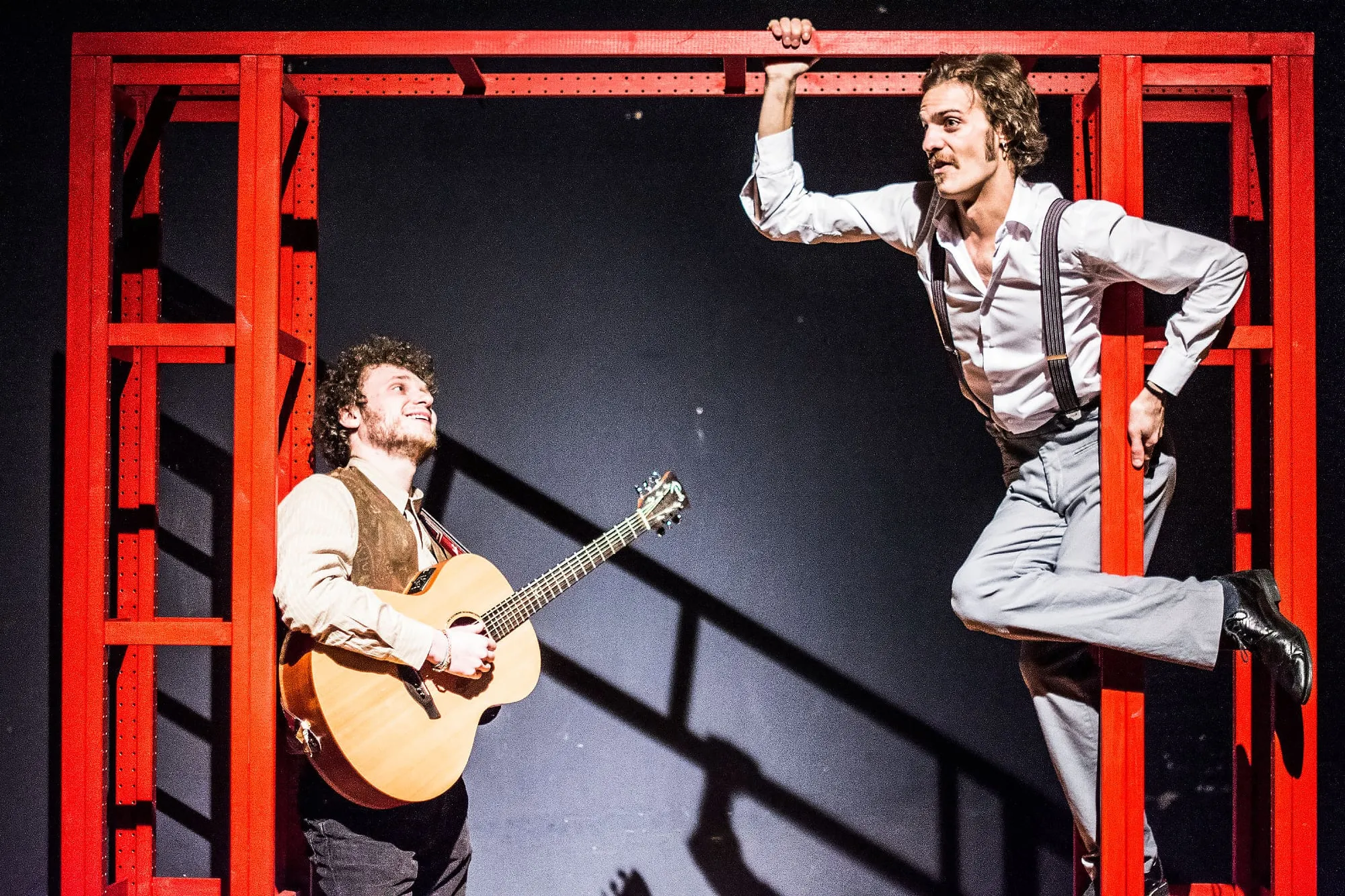
interpreters
Luca Oldani
Bernardo Sommani
testo
Luca Oldani
direction
Luca Oldani
Alberto Ierardi: set design and graphic design
120g:
Chiara Bartali
Costanza Cioni
Francesca Moschini
Giulia Grassi
Erich Bianchi
Giovanni Inghirami
Fabio Santaniello: On stage
Maria Chiara Colombo
poster design
Simone Oldani
music
Bernardo Sommani