The metaphysics of tides
Alessandro Ariel Terranova · · Automatically translated from Italian
It takes about forty minutes by bus from the vibrant center of Porto to reach Matosinhos, a tourist and functional district on the outskirts of the Portuguese city, located along the Leça da Palmeira. The typical Portuguese taste for simplicity in design seems to be absent in the architectural landscape of this Porto suburb, which is marred by excesses and remnants of a superficiality that doesn’t quite match the refined and delicate flavors of the masters of Western architecture from the 20th century. The journey to the ocean is a brief escape from the noise of the industrial area, passing through modest pre-maritime residential buildings, until you reach the beach.
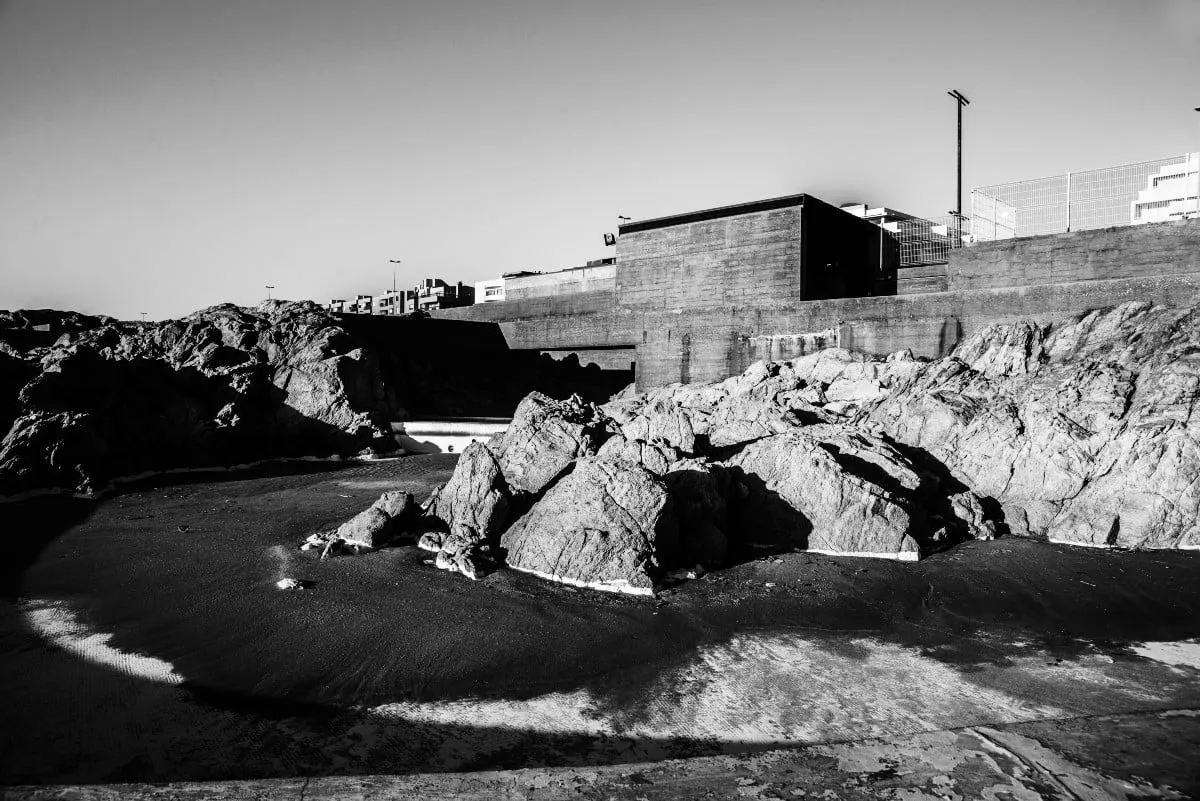
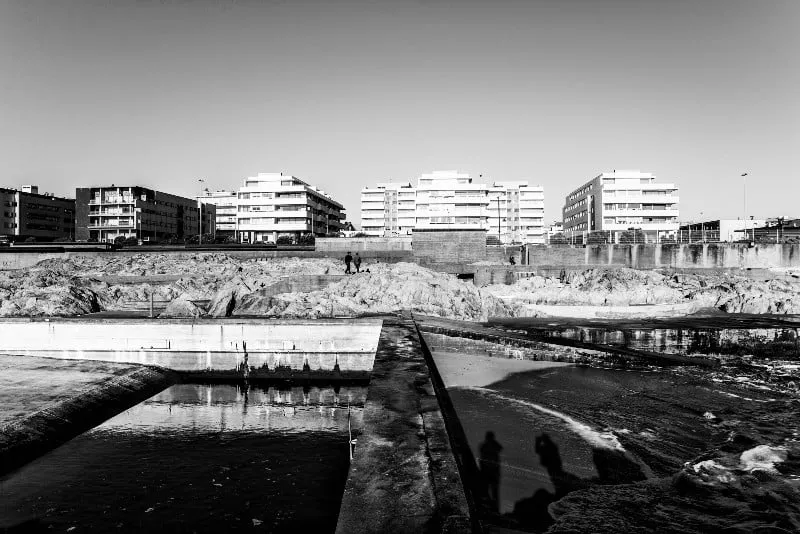
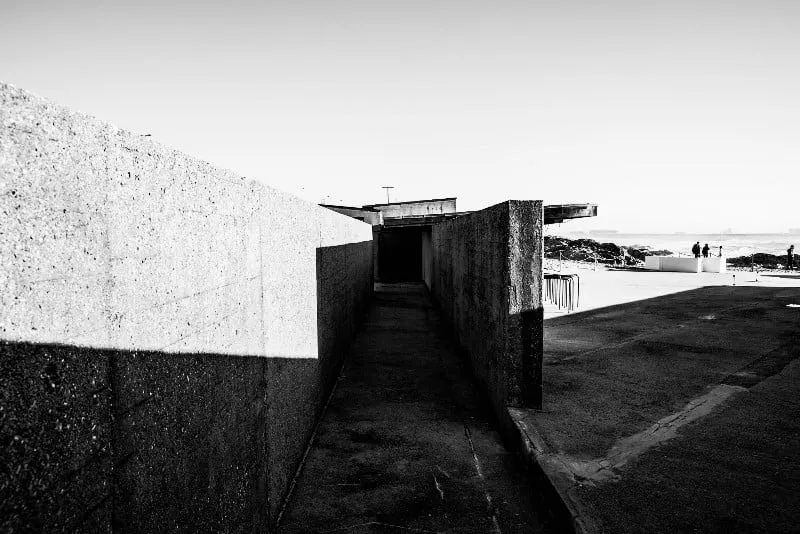
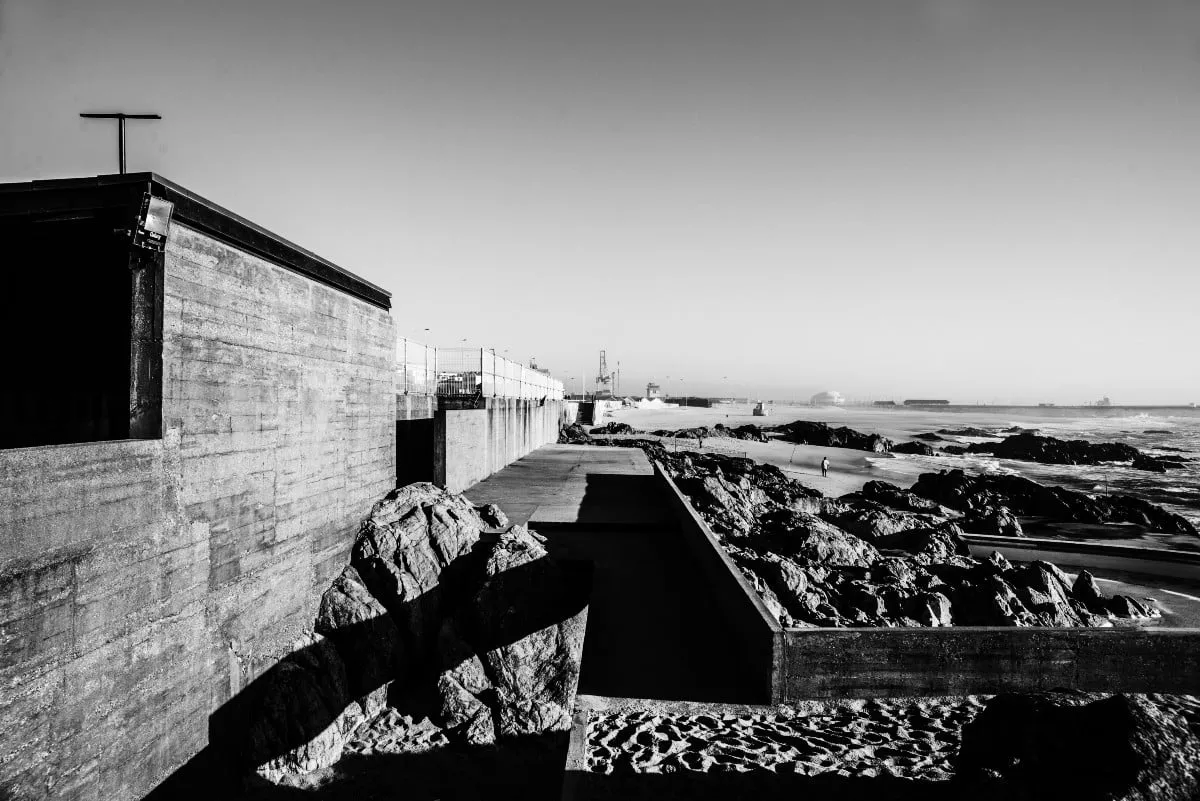
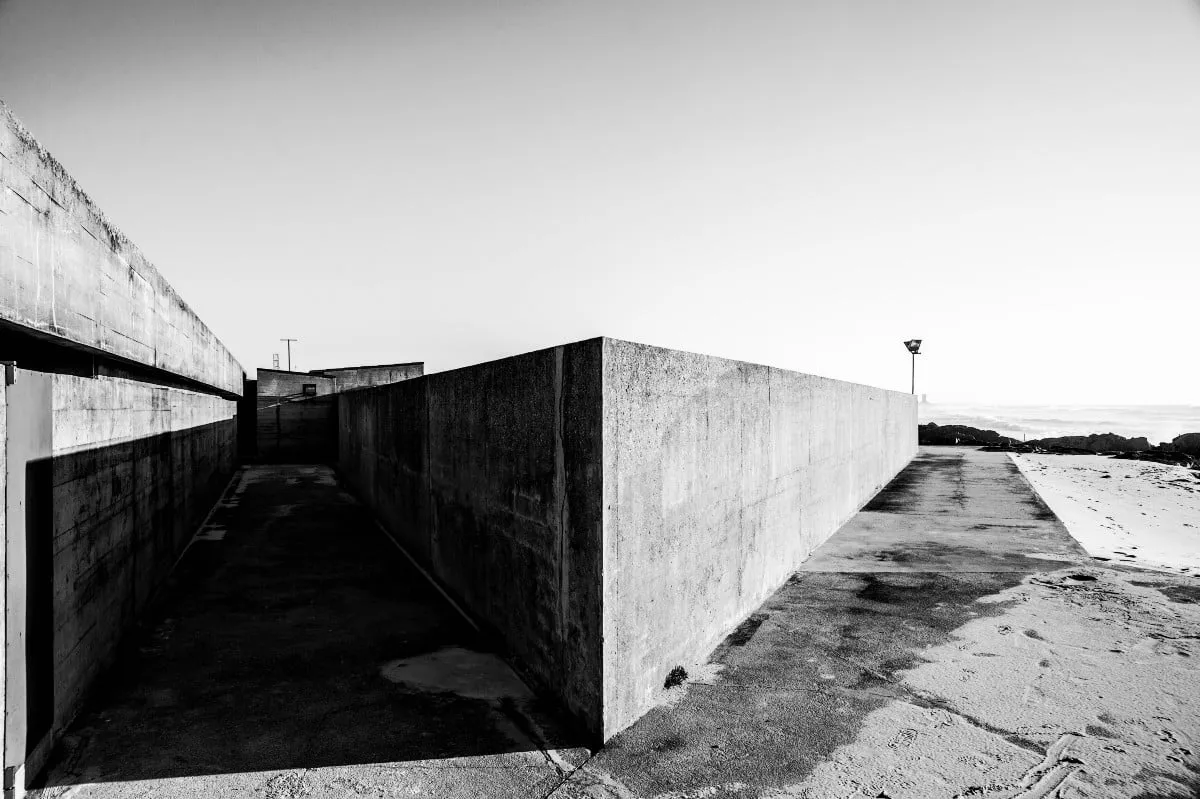
In early March, the first thing you encounter is the wind. It takes only a moment to reach a point where, beyond the last buildings, you are faced with the vastness of the Atlantic Ocean to the west, greeted by gusts strong enough to soften even the sharpest rocks. The beach is empty, and the sea is a deafening roar of breathtaking waves that surge up the shoreline for dozens of meters, or crash against incredibly inhospitable rocks, unlike anything you see elsewhere. Almost unexpectedly, a well-defined, rhythmic pattern emerges, a soft, flowing movement that divides two areas and inevitably creates a space. A few steps and a second, more forceful element compels me to stop near a significant overhang. These are the two pools designed by Siza, which appear suddenly in a place where they seem to have always been. The structure is little more than a few yellowed concrete walls, a solitary remnant of a grueling, lost battle against the relentless power of the ocean, but suddenly, time seems to stand still.
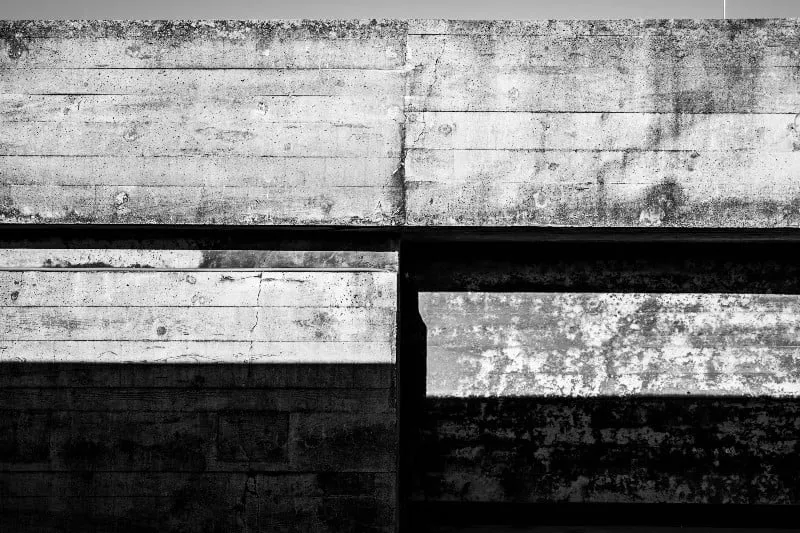
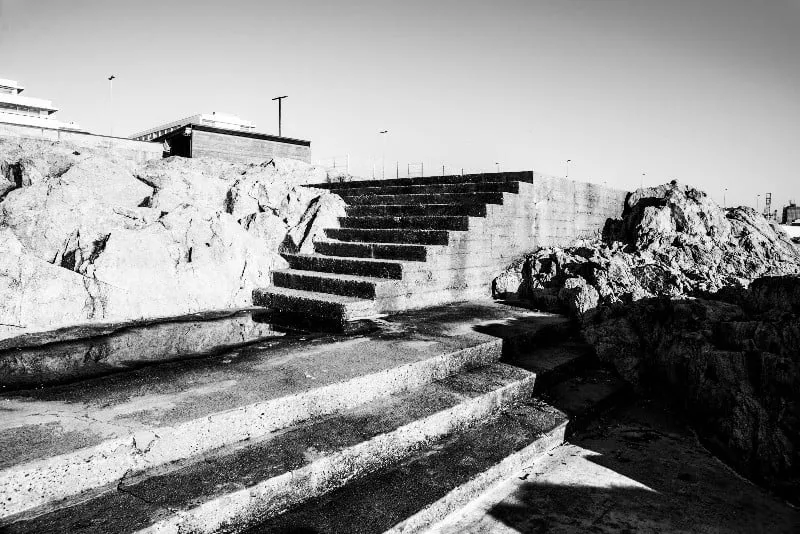
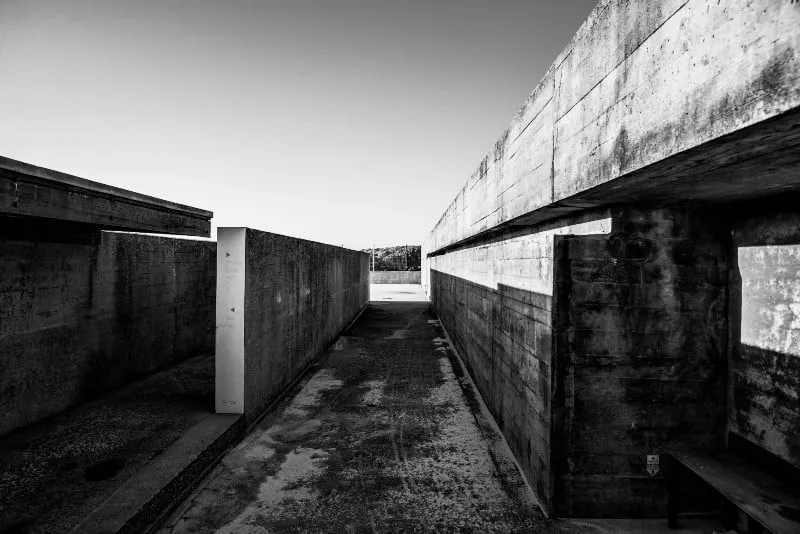
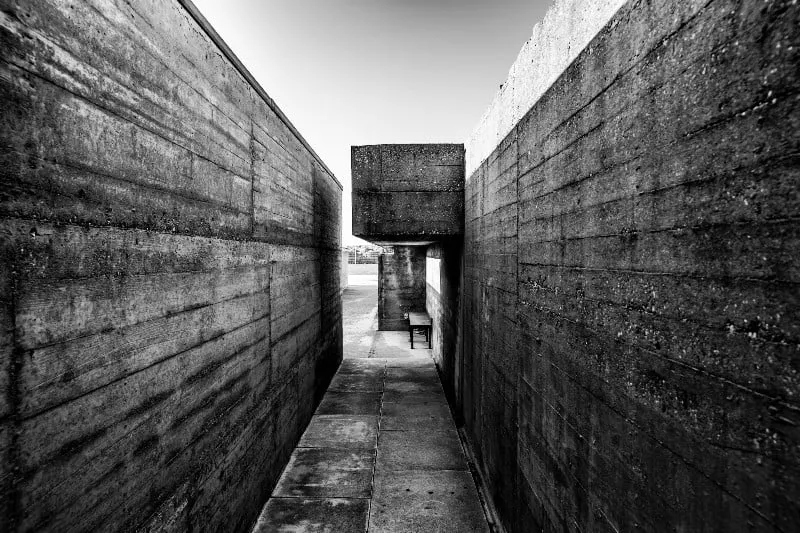
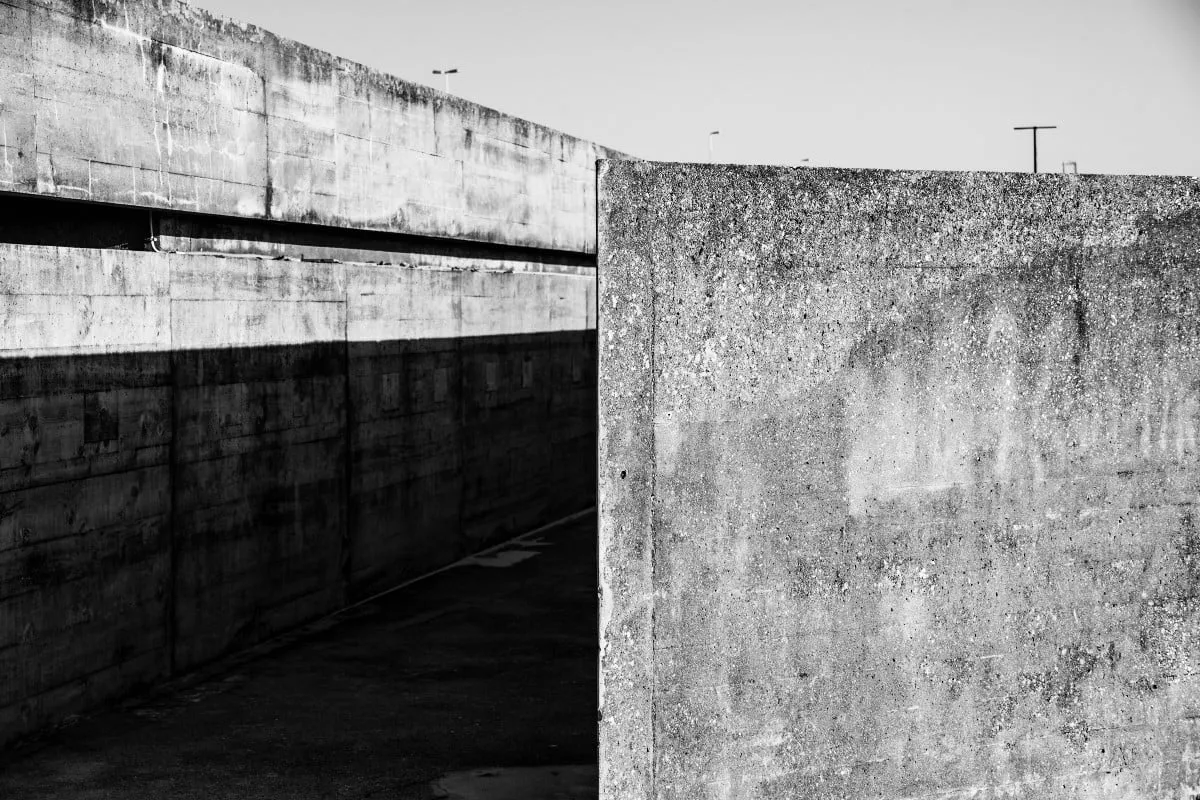
The sky is a perfect shade of blue, not a single cloud disturbing its silent perfection. The sun is just above the horizon, and nature reigns supreme. But the architect, a Portuguese designer, is the master of this space. With a few skillful gestures, an elegant and essential design, the steps emerging from the rocks, the wall that defines a portion of it, and the sharp shadow that falls across the uniform surface, reality suddenly becomes metaphysical. The pools are empty, contributing to the perfect sense of detachment, and the space is experienced in its essence, stripped of any unnecessary elements, beautiful in its simple nakedness. The noise fades into silence, the concrete softens, and the few walls become the perfect companions for your personal moment.
It’s easy to integrate this work into Siza’s extraordinary body of work, appreciating its simplicity, clarity, and perfect harmony with the surroundings. However, what was truly remarkable was the experience of being there. A combination of specific factors, such as the atmosphere, the climate, the company, the time of day, and the time of year, all contributed to the uniqueness of the moment, creating a sense of being outside of time, self-contained, and essential within its context. This resulted in an unrepeatable combination of circumstances, always different, yet always present, and I am confident that anyone who ventures, whether intentionally or not, towards the tidal pools will experience something similar.