Thoughts and musings, bordering on the literary and architectural, about Porto
Riccardo Bartali · · Automatically translated from Italian
Introduction. From March 3rd to 6th, 2015, five friends took a trip. Time has passed, and the memories are fading, leaving only the awareness that we were in a specific location on the European continent, and that we arrived by plane because driving would have been quite difficult. A few scattered images remain, and I can still identify the moments when the photos were taken. Small, fragmented snippets of conversation from our constant chatter linger in my mind, and I am reliving the trip through images as I try to write about it. Our destination, Porto, is a complex city.
The city is situated on numerous hills that slope down to the Douro River. Each hilltop is a distinct neighborhood, each with its own strong identity, both socially and urbanistically. The “beautiful” side, the heart of the city, features the cathedral, which dominates the vast panorama, alongside the work of Fernando Tavora. The famous and bustling Ribeira waterfront is another key area. Miragaia is small and picturesque, extending all the way to Matosinhos and the vast, boundless ocean, which I hadn’t realized could be so noisy, despite the profound emotions it has inspired throughout history. The city is a harmonious and vibrant collection of many small units that have chosen to remain and create something organized: something extraordinary, beyond the simple monuments and contemporary architecture, and even beyond the structures and memories. It’s something that is extraordinary in a way that is not always clear, but is deeply felt, with streets that are always different, always sloping upwards, and a unique way of blending the past and the future in a constantly evolving mix, a place where only people who truly appreciate an extraordinary city like Porto could feel at home.
The sun shines on us on the 4th, 5th, and 6th. The city is swept by the wind, and the climate is mild. We will see many things about which we have already written articles. We will also see many things about which we will not write anything:
The cellars where that rich, intensely flavored wine, with its redundant name – Port wine – is produced, with its beautiful green terraces from which you can see everything, including the peacocks.
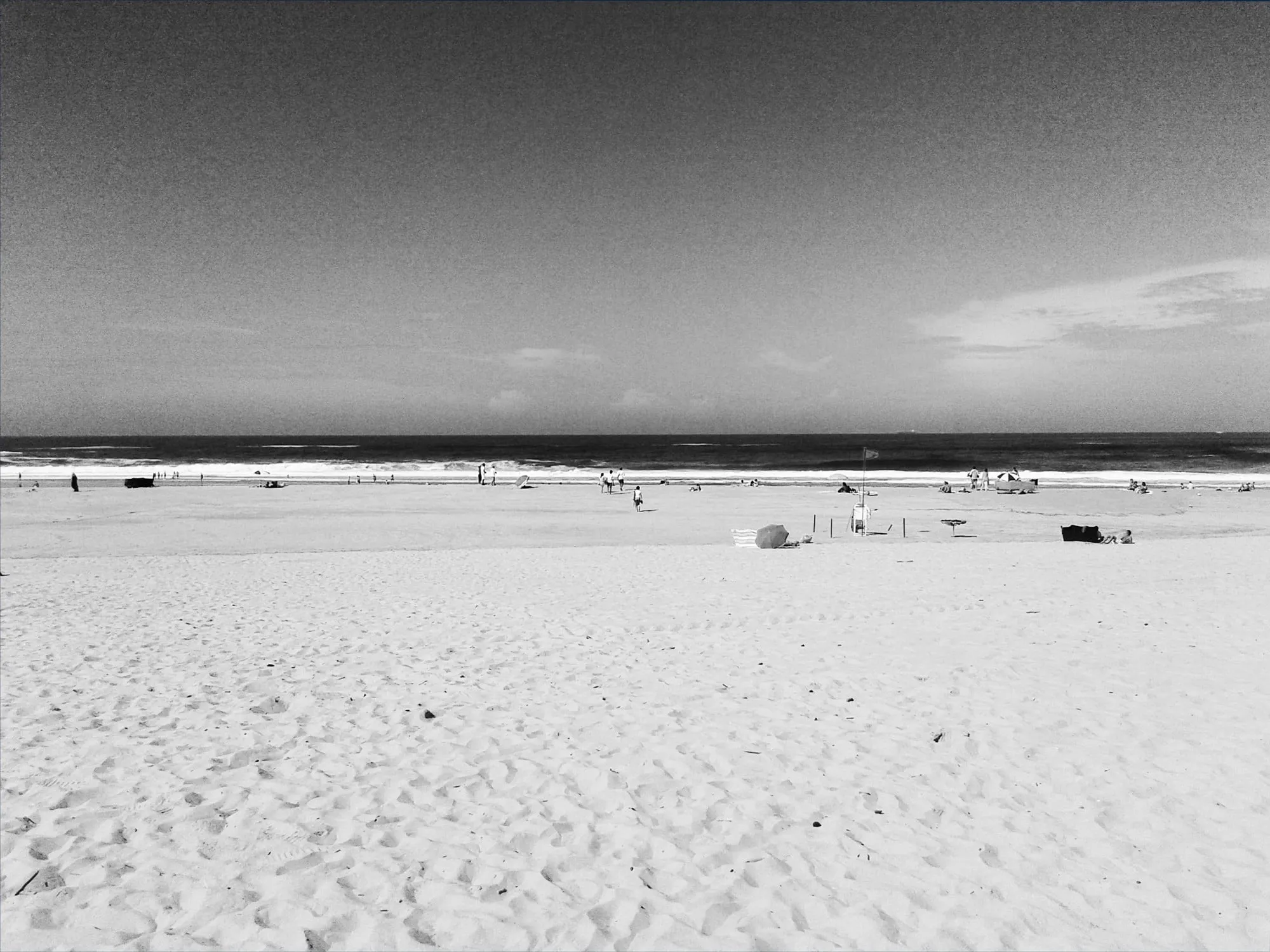
The ocean.
The mouth of the Douro River, viewed from above in the sunlight.
And the silhouette of the bridges, seen from below.
The photography museum, a former prison.
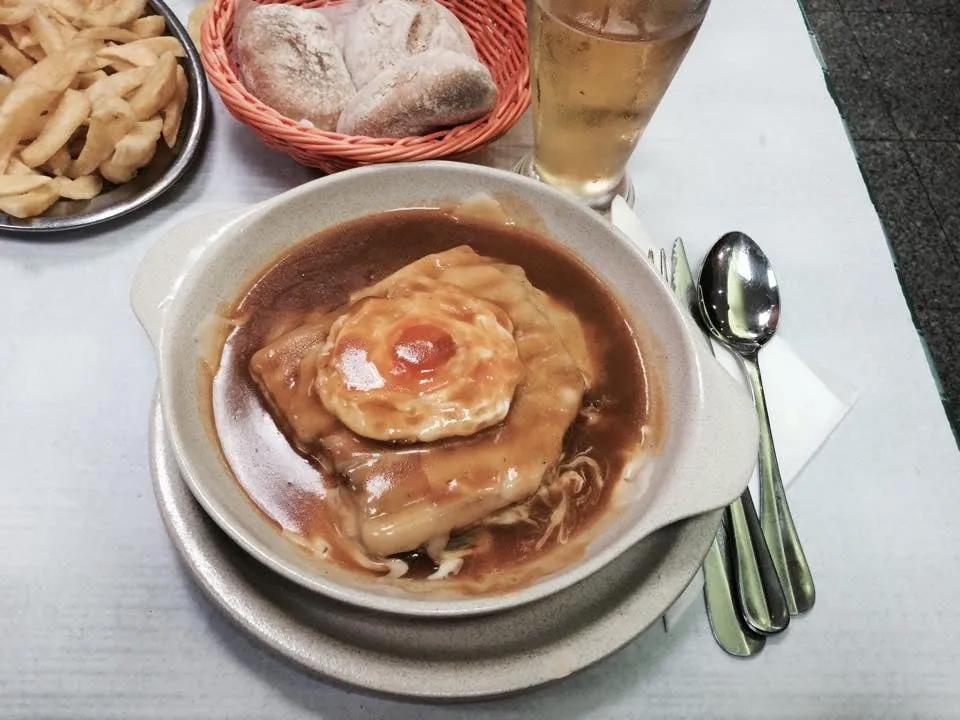
The abundant food.
The residential areas with green spaces and the villas of the wealthy.
These places also deserve their mention, because, even if not famous, they are part of the city, and can be easily listed in a few lines, providing a reason to visit one of the most desirable and popular cities of our generation.
What follows is a series of thoughts formulated on March 3rd, about the city of Porto in Portugal.
I want to emphasize that these are partial and disconnected impressions from a day shrouded in fog, so much so that it obscured the five hundred meters that separated us from the Douro River, making us pleasant observers of the common feeling of not being able to perceive any limits to one’s vision.
They are fragmented and incomplete visions of a day of fatigue, so much so that we found ourselves improvising as circus acrobats to avoid tripping over the steps that define the blocks, and ending up as mere descriptors of any given pavement.
They are the distorted memories of a day filled with enthusiasm, so much so that we could have climbed the equivalent of Mount Amiata just on our heels throughout the day, and we ate considerable amounts of meat to compensate.
They are the fantasies of a day abroad, so much so that by the end of the day, I could barely remember my own name, but I had a clear recollection of the metro stops that, in the days that followed, would lead us to the countless destinations that we could only discover by searching for them.
These are, at times, subjective impressions, but they strive to honestly depict what I felt, perceiving the urban space as an entity rather than a mere collection of buildings. The texts are written with the confidence that years of research in the fields of the extraordinary and the unconventional inevitably bring, and with the awareness that, even though they only offer a glimpse of the city, they might be helpful in avoiding the trap of frantically looking in every direction, trying to see everything. They are written while stepping away from the bakeries that fill the city, or from the friends I travel with every day, stopping on a bench and writing down what I feel, without rushing, waiting for something to happen, whether it be the rain, a paper boat sinking in a fountain, or the arrival of a loved one with grocery bags.
_first
I have the impression that Porto speaks, speaks, without saying anything. I have the impression that its abandoned buildings could speak if only they were given a voice, rather than being subjected to the usual renovations and modernization projects.
_second
This city is filled with the noise of seagulls. It’s a constant and relentless sound: from under the bridge, where misunderstandings are kisses, to the fragmented square where the ruins still bleed through the broken glass, you can hear the cars that never stop, the buses running on a continuous schedule, and the church bells that toll for the dead, covering them with veils.
_third
Porto is a city of contrasts and contradictions; the beauty of the magnolia blossoms, present in every courtyard, on every verge, and at every street intersection, is juxtaposed with the harshness of the citrus fruit hurled violently into the gutter, where worn-out clothes are washed under a relentless and heavy rain.
_fourth
If it’s true that to go down, one must first go up, and vice versa, then this ambiguous city doesn’t hide behind the certainty that my heels have already suffered too much from the excessive pull of the slope, or that the tips of my wet socks are burning from the friction. There is never a true ascent or a true descent, but only the possibility of escaping the labyrinth and never returning.