Culture and education · Thoughts
30 years old, an architect, today. An interview with Riccardo Bartali
Riccardo Bartali · · Automatically translated from Italian
We want to understand how the profession of architect has changed, from ancient times—let’s say, to narrow the scope, from the great Renaissance architects like Bramante and Brunelleschi—to the present day…
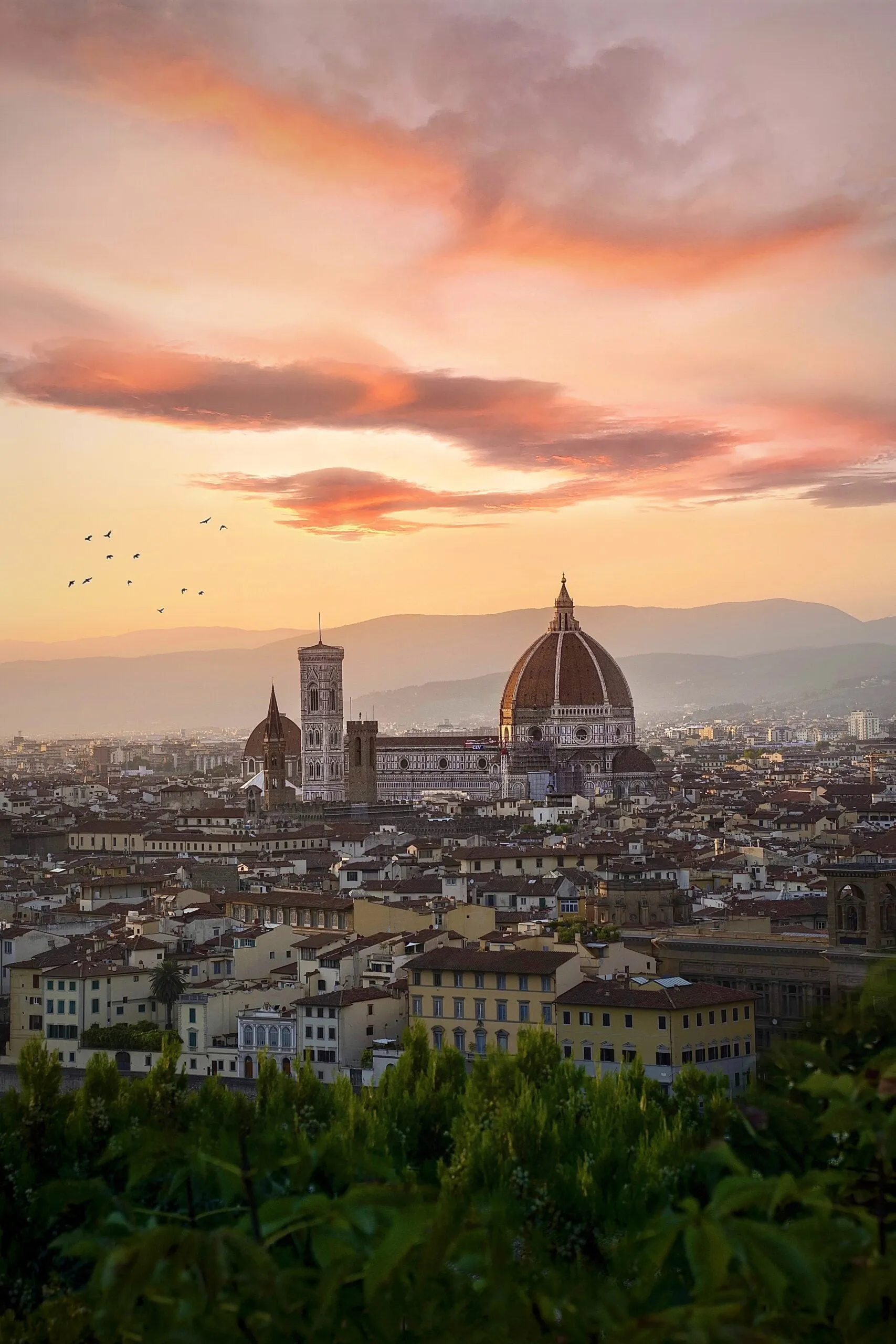
It is difficult to trace the development of the architect’s role throughout history. From ancient Greece, various names have been passed down: Hippodamus of Miletus, Phidias, and others. These figures are more associated with a “school” or a particular style, rather than a true profession. In my opinion, the real revolution occurred in Florence, in Tuscany, during the Renaissance. Brunelleschi built the dome of the cathedral, and he didn’t just design it; he coordinated the craftsmen, participated in the intrigues on and off the construction site: he was a true “starchitect” ante litteram, always in the thick of things. Until the end of the Middle Ages, even though we can identify certain individuals, architecture and its construction were based on the repetition of tradition through the work of stonemasons, bricklayers, and artists, who dedicated themselves to each project, striving to make it beautiful and impressive under the patronage of a lord, cleric, or secular figure. Brunelleschi revived the concepts of authorship, invention, and ingenuity, bringing architecture to a level of originality previously unknown.
Around the same time, the field of urban planning was also reborn in Ferrara, with Biagio Rossetti and the Erculean addition, commissioned by Duke Ercole I d’Este. This form of urban planning, with its comprehensive design, made Ferrara, according to Bruno Zevi, the first modern city. Palmanova was also built in the late 16th century, a city with a strategic defensive purpose for territorial control. Following this same approach of modernization and adaptation, various urban planners flourished in the 19th century, such as Haussmann in Paris, the planners of the Viennese Ringstrasse, the Barcelona Plan Cerdà, and the expansion of Turin.
Gradually, the role of the builder/architect began to specialize and become more technical, requiring specific training. In the 19th century, the first engineering schools were established, leading to a new division between technical expertise and artistic expression, and the emergence of the engineer as a distinct profession.
It is now clear that as human knowledge has expanded and construction techniques have evolved, more and more specialized roles have emerged, distancing themselves from the traditional “architect” who designs everything. Therefore, it is difficult to define the profession of an architect today. Among my colleagues, I know designers, artists, urban planners, specialists in computer-aided design, site managers for construction companies, safety officers on construction sites, graphic designers, photographers, and even programmers of futuristic machines that one day will build houses using silkworms. However, one thing I am certain of is the driving force that accompanies us: the desire to make the future a better place to live.
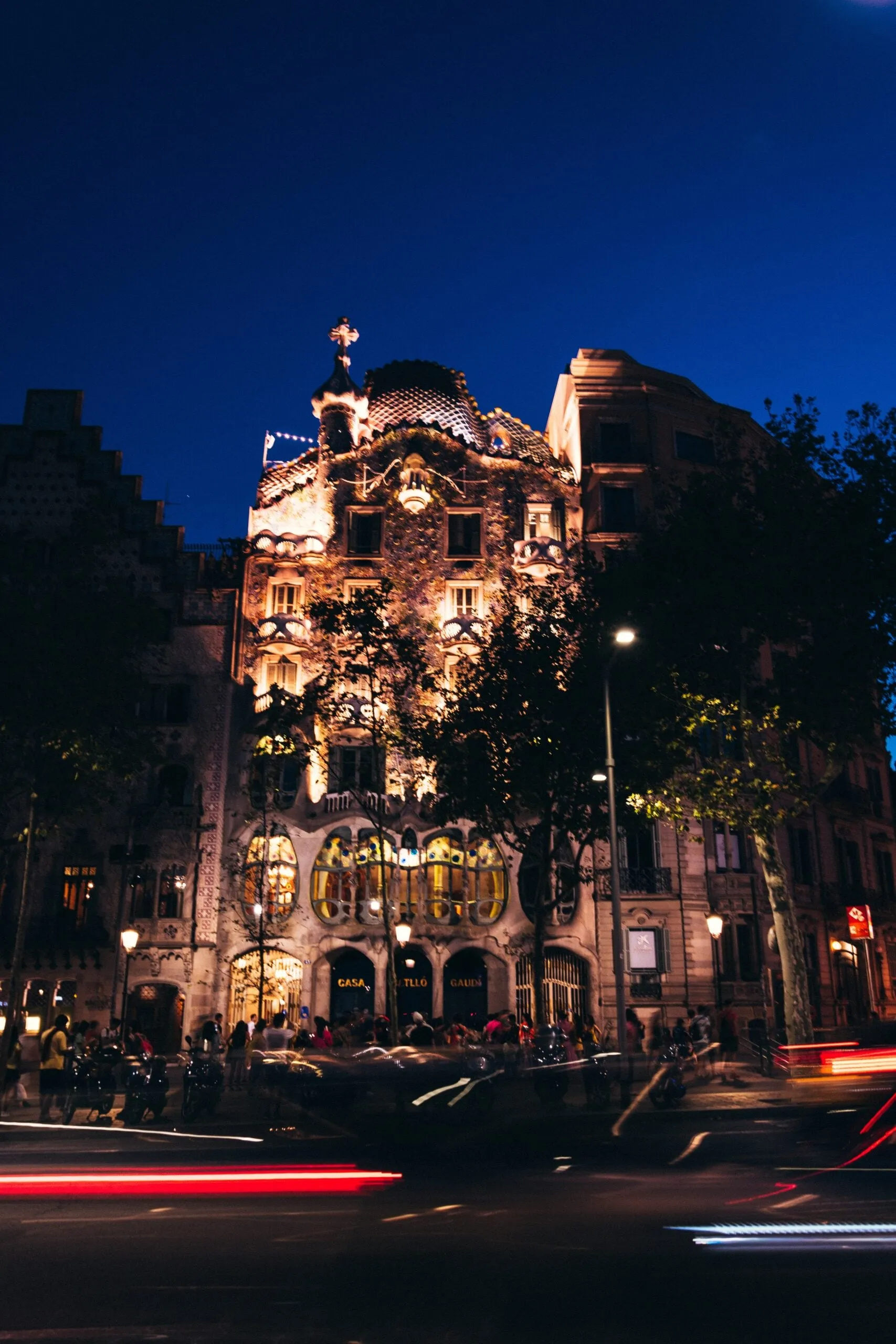 Casa Batlló, Barcelona. Photo: Theodor Vasile on Unsplash.
Many architects of the past are remembered more for their artistic aspects (Bramante himself, Baroque architects like Juvara, and later Gaudí…). What is the relationship between art and architecture today? Is the architect of the 21st century more of an engineer or more of an artist?
Engineering and art are fascinatingly intertwined. Stone sculptures require physical supports to stand without collapsing under their own weight. At the same time, people are not impressed by the calculations behind the Eiffel Tower, but rather by its height and its iconic shape. Personally, I admire Gaudí more for the ingenuity of the structures of the Sagrada Familia than for the exuberant forms of Casa Batlló
When trying to understand the relationship between art and architecture, there are many possible answers. In my humble opinion, architecture and art differ in how they relate to human beings. Art makes the person experiencing it a spectator; architecture, on the other hand, is a witness and facilitator of human events. To illustrate this, Casa Batlló is now a magnificent work of art: a museum showcasing the eclectic spirit of Gaudí, and it deserves to be visited for that very reason, even just for a couple of Instagram photos. However, the apse of the Church of Santa Maria presso San Satiro in Milan, designed by Bramante for Gian Galeazzo Sforza, is architecture: through its perfect perspective, it expands the space where mass is celebrated, placing the human being at the center of their relationship with the divine.
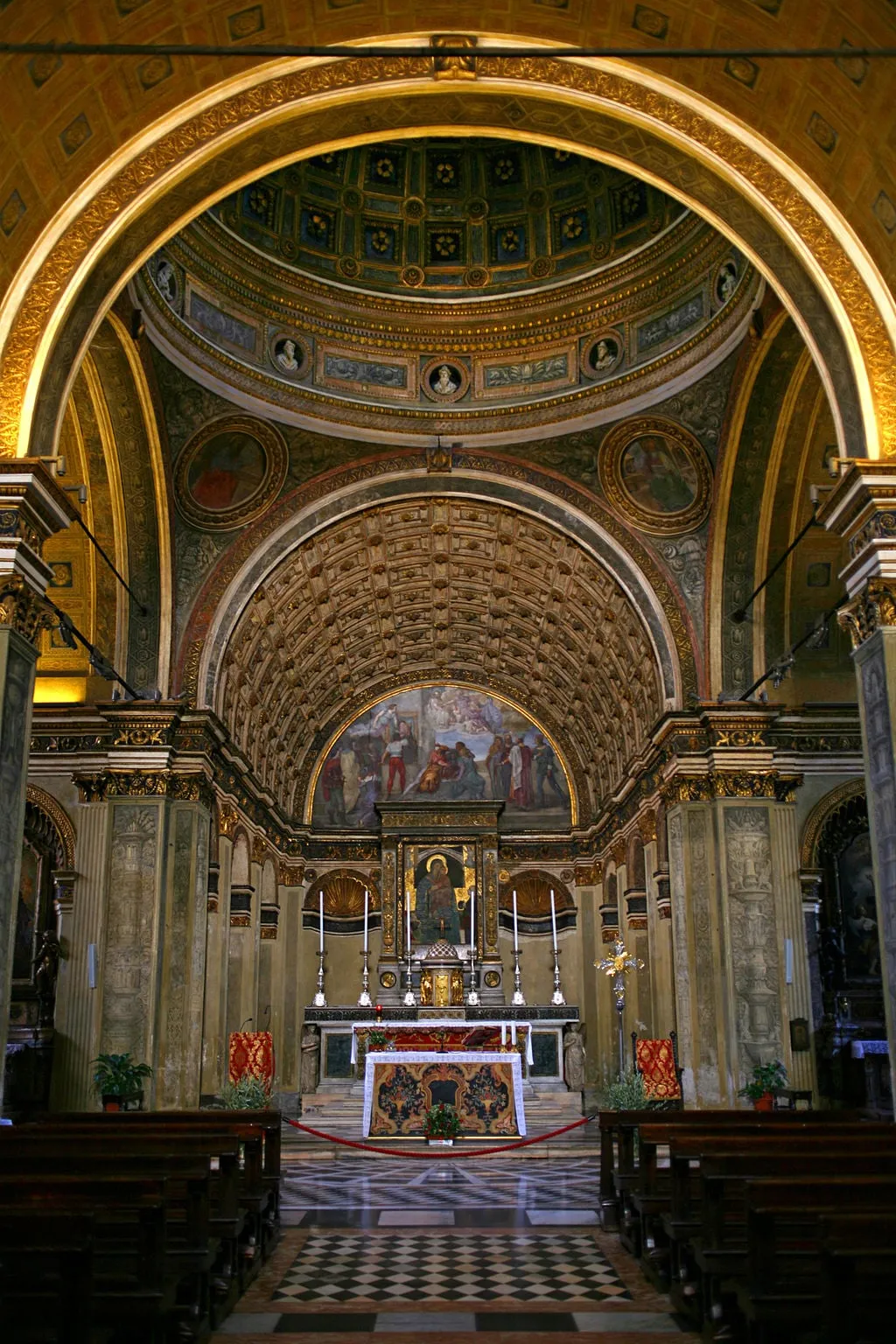 Central nave and false choir designed by Bramante in the Church of Santa Maria presso San Satiro. Source: Wikipedia.
“From the outside,” we, the uninitiated, might say that in the last century, the materials and technologies have changed: from reinforced concrete to many new synthetic materials… and certainly new tools for design. I believe that today, no architect still draws by hand, on a large drawing board. We are now accustomed to computerized images and renderings. But of course, the change is not just that. How has the role of the architect changed, their relationship with the urban space?
The architect is constantly evolving, no longer just a designer of urban space, but an interpreter. Our tools have become more sophisticated, thanks to our history and culture, allowing us to codify the compositional, stylistic, and above all, social rules that govern the city.
More and more, architects are gradually becoming “conductors,” capable of bringing together many different figures in a complex work: citizens, the municipality, private individuals, associations, builders, artists, and other specialists. In this sense, it is necessary for the professional to understand the relational dynamics between the physical materiality of the built environment, the emotional experience of the citizenry, and the economic realities of the stakeholders, in order to best intervene in the urban fabric. In recent years, many experiments in “tactical urbanism” have emerged, a discipline that creates small-scale urban interventions capable of improving the social conditions (and therefore the well-being) of the people who live in the city.
120g is the cultural association that you founded with classmates who later became colleagues. The website offers a very broad view of the current frontiers in architecture and what is happening in the field of research. Can you mention a few themes to pique the readers’ interest?
One important theme we are exploring is tactical urbanism, through a section called “Bottom-up Architecture“, which involves creating workshops for students to propose projects for abandoned, neglected, and forgotten areas of the city, in collaboration with local organizations and institutions.
We are also investigating the concept of “borders,” drawing a parallel to the human skin, which protects us from the elements but can also be a source of pain or a permeable organ that connects us to the outside world.
The main focus of 120g remains the relationship between different artistic disciplines. Through our “120g Dossier“ format, we have presented themes such as restoration, robotics in construction, and we are currently developing three issues on architectural photography, the concept of limits and integration, and artisan architecture, which is small-scale, domestic architecture created with quality and tradition by skilled craftspeople.
Another area of research has been our relationship with our region and local culture, through the documentary Tuscanyness.
Tuscanyness is a documentary from a few years ago, and it’s about us, Tuscany, and what role architecture can play today in our region, which is so rich in works of art and landscapes. Could you say a few words about it?
“Tuscanyness” was our longest project. Lasting three years, it involved over 20 architects, interviewed in the “120g x 120s“ format, which can be found on YouTube by searching for “120g.” Following the issues raised by their contributions on topics such as identity, landscape, beauty, method, and the practice of architecture, we realized we hadn’t fully understood the subject and decided to delve deeper. This led us to conduct research, traveling thousands of kilometers along Tuscan roads to cities like Siena, Florence, Pisa, Pistoia, and regions like the Val d’Orcia, Pienza, the Chianti region, and the Maremma. We compiled all of this into a documentary, which we screened at the Arsenale cinema in Pisa, and later at La Compagnia in Florence. We were also selected for architecture festivals in Lisbon, Copenhagen, and Istanbul, where we presented the film to packed auditoriums of architects and scholars. It was a rewarding and challenging journey, with the aim of highlighting the importance of our culture in shaping our vision and perception of the architecture of the future, and in defining our role as architects.
Published in “L’Araldo di Volterra,” October 2020.