The Dark Side of the EXPO
Antonio Treglia · · Automatically translated from Italian
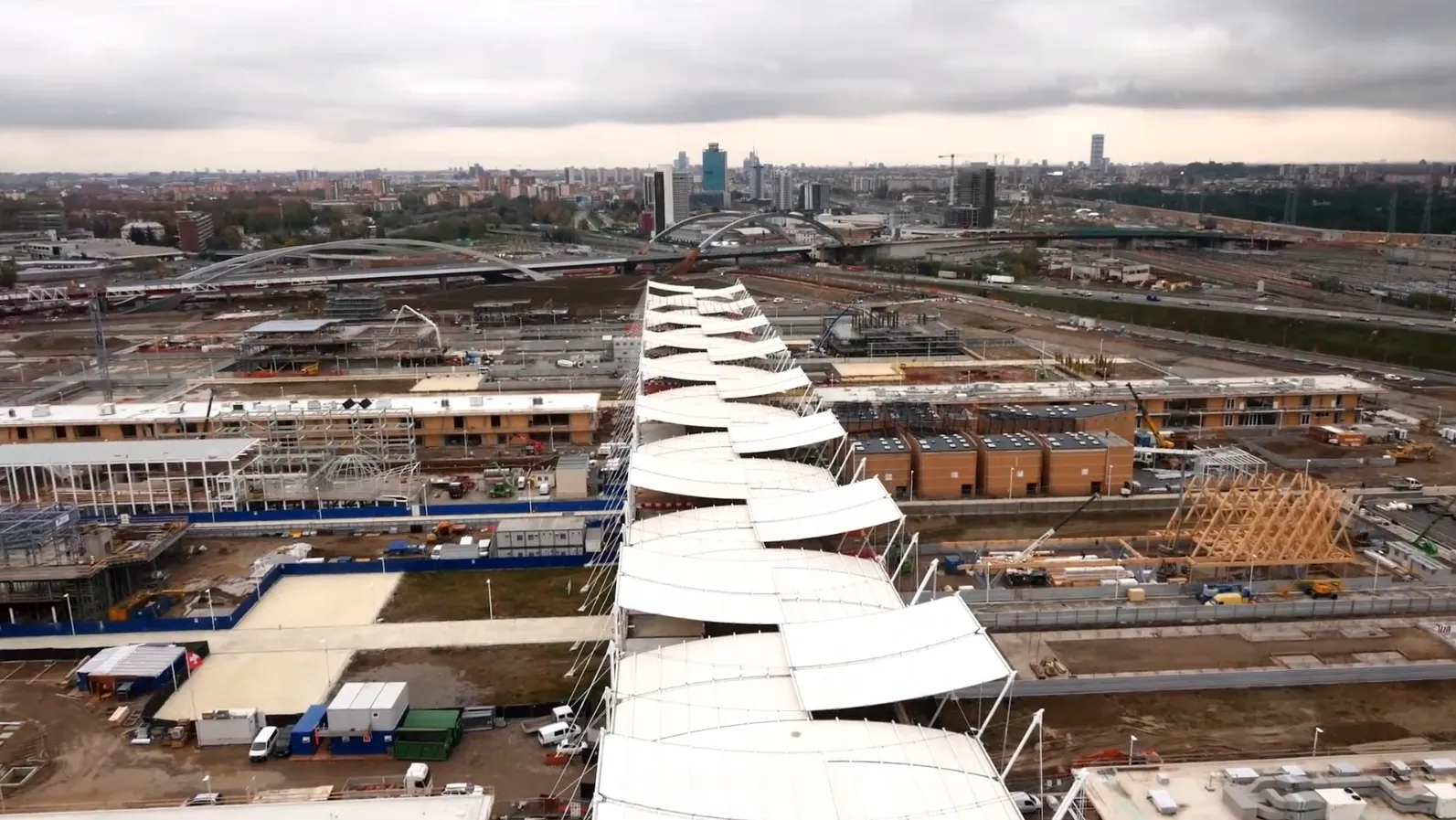
We have reached the end of the event that, in recent months, has been the focus of discussion for many Italians (and others), who have had the opportunity to participate and draw their own personal conclusions. We are, of course, talking about EXPO 2015, the world exposition centered on the theme of food, which this year was held in our country and, in a certain sense, aimed to revitalize Italy’s image in the eyes of the world.
The comments from the hundreds of thousands of people who visited the exhibition halls day after day were very diverse, and, to put it simply, there were both positive and negative opinions: some complained about the endless queues, the poor organization, and the high prices, while others had a wonderful experience, overlooking the inconveniences and focusing on the communication aspects and the excellent initiatives that were launched.
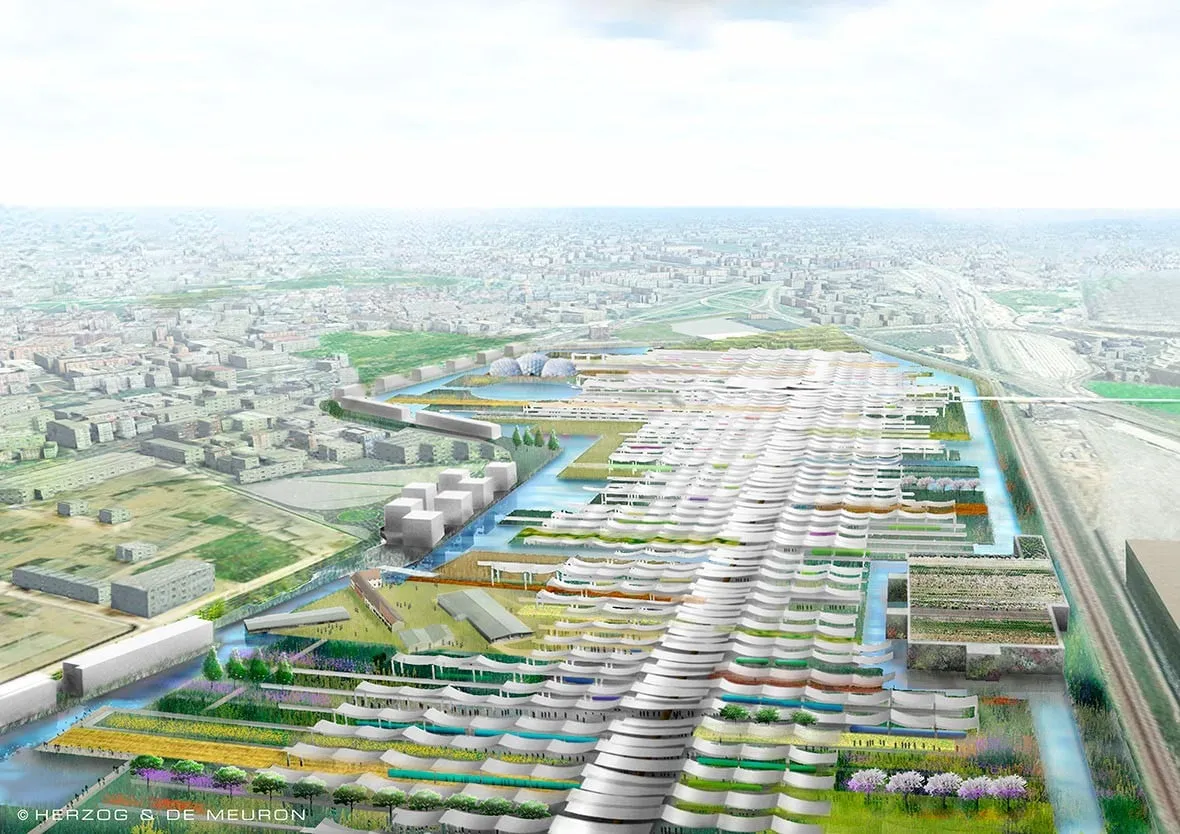
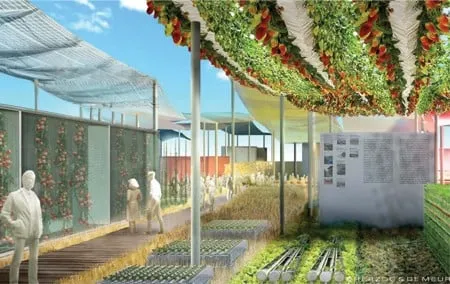
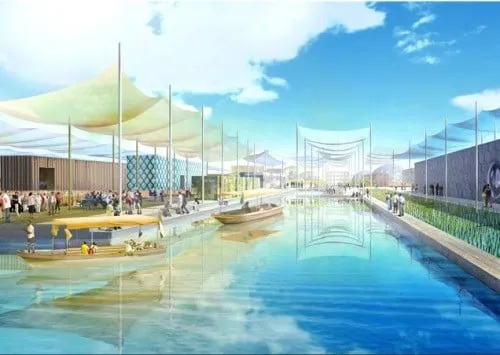
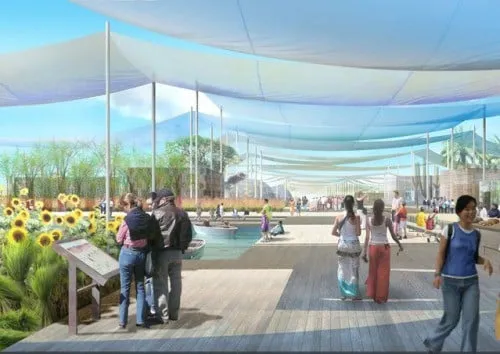
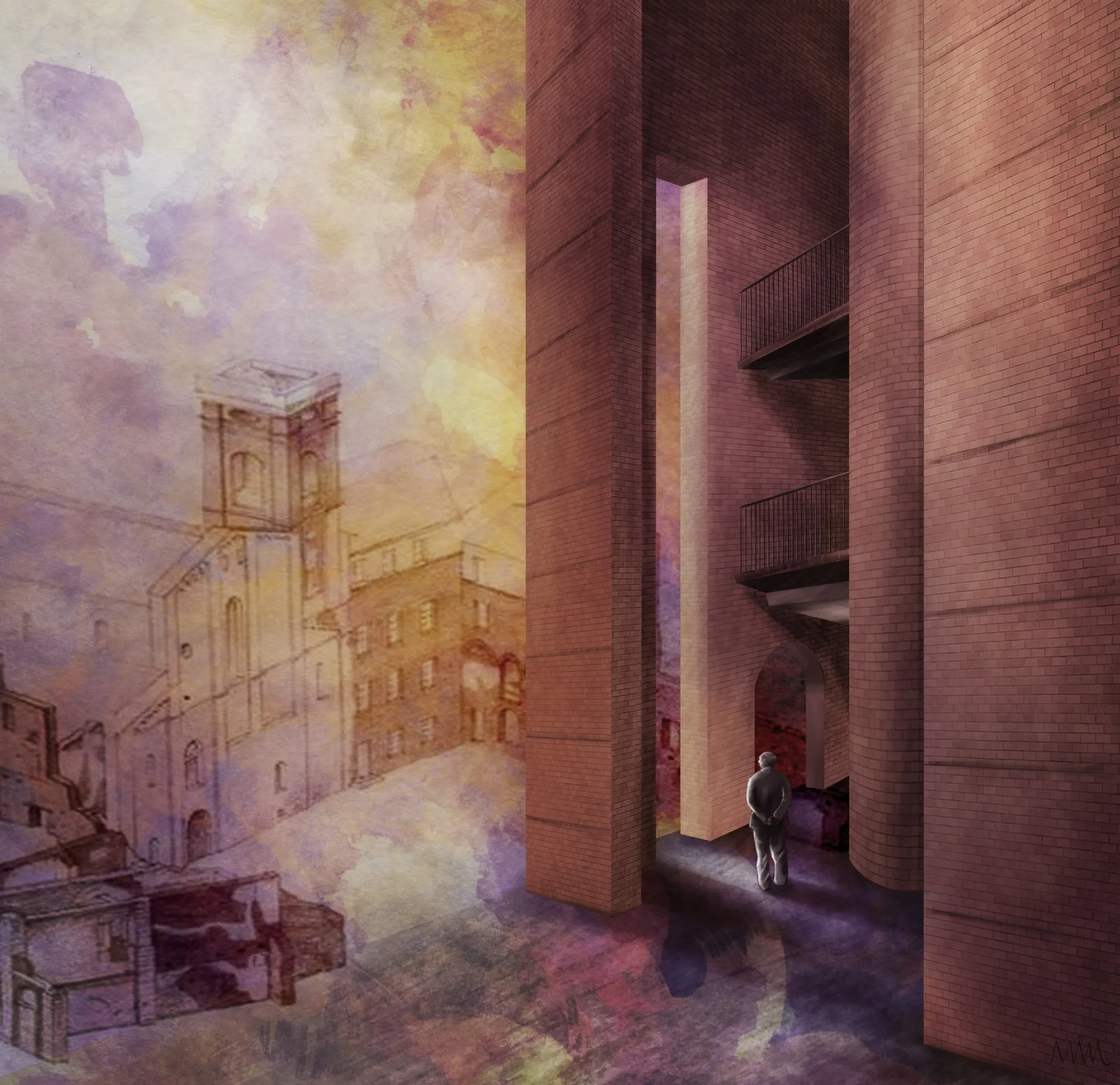
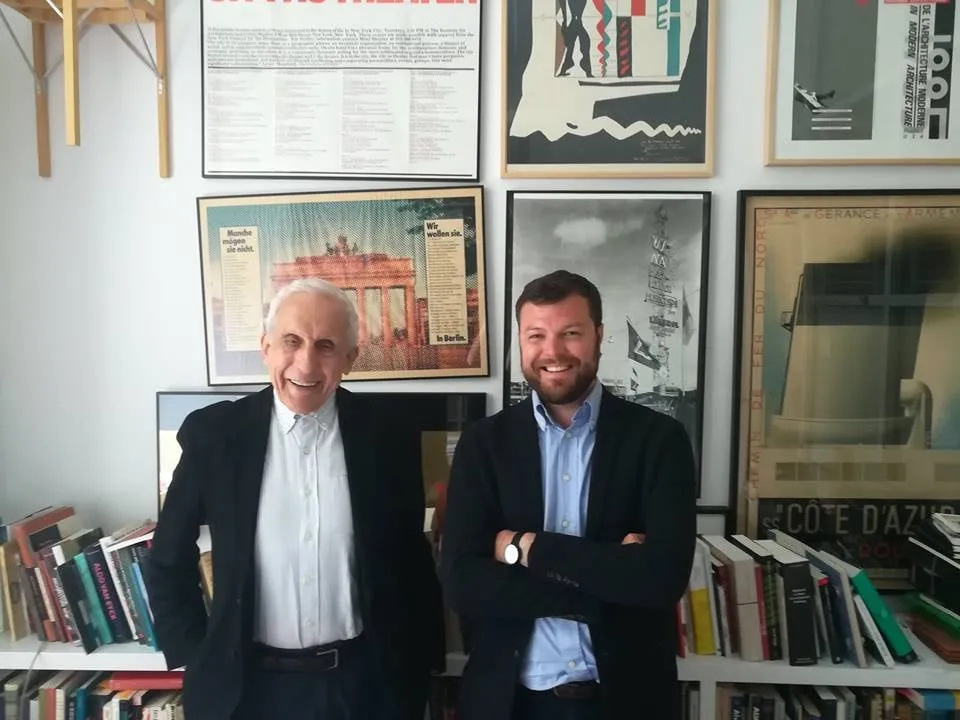
Beyond any opinion, whether you agree with it or not, it is interesting to learn about the background of the master plan for the area dedicated to the event. When, in 2009, the designers, including Stefano Boeri and Jacques Herzog, presented the final master plan for EXPO 2015, it was clear to everyone that they were facing a format that was both simple and revolutionary: the intention, in the words of Boeri himself, was to “bring the world to cultivate a piece of land in Milan.” The extreme simplicity of the urban concept, a planetary garden structured like the ancient Roman city, with the cardo and decumanus serving as the backbone along which all the pavilions and events were arranged, combined with an innovative vision aimed at revolutionizing the very concept of a World Expo: a series of temporary and standardized structures would replace the individual pavilions of each country. In this way, visitors could immerse themselves in the diversity of global agricultural cultures by taking a single, uninterrupted walk through a universal botanical mosaic, where each nation would differentiate itself not by the grandeur and self-aggrandizement of its pavilions, but by the content related to an important and delicate theme such as food.
Clearly, something went wrong, to the point that Herzog and other architects distanced themselves from the project’s realization, expressing their disappointment regarding the development of an urban planning project that would have erased the monotony and boredom of recent World Expos. In recent years, these events have become pure entertainment and a waste of money and resources. Once again, consumerism prevailed over common sense, and the power of multinational corporations outweighed a sustainable and economical approach, revealing the dark side of EXPO 2015…
Aerial view © http://urbanfilemilano.blogspot.it/
Images © Herzog & De Meuron