A new world
· Automatically translated from Italian
Violeta Estellés
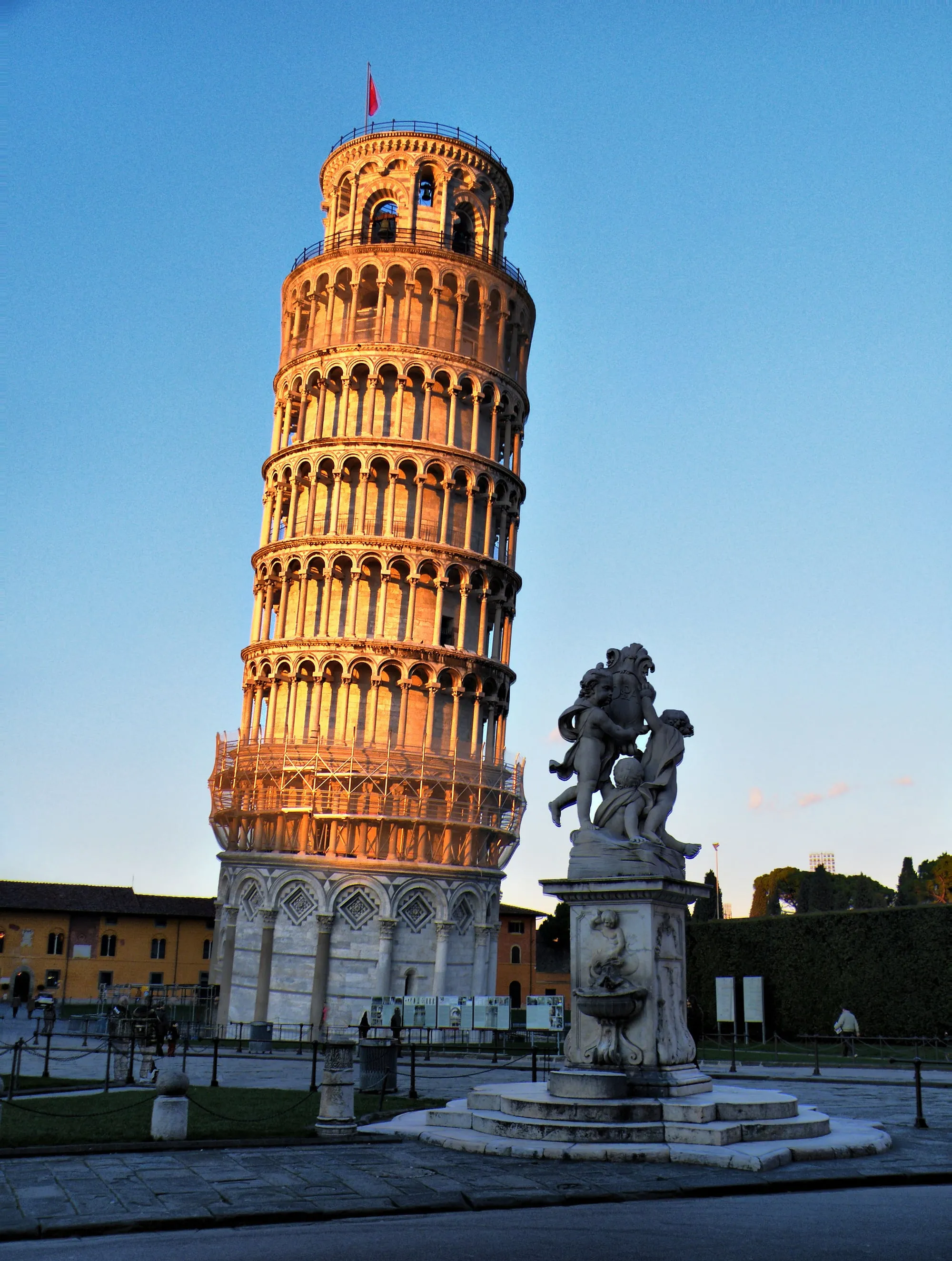
“Violeta Estellés!” “Yes, it’s me. My choice is Pisa.”
And so, my long-awaited Erasmus experience began. It was a day in April, and when my turn came, I had a one-way ticket to Pisa. After many challenges, that seat was mine, with my name on it. They say that first steps are never easy, and this was no exception: at university, you start with the paperwork. You spend countless hours trying to find courses at the host university that are suitable for the “Learning Agreement,” but as life often goes, once you arrive, you realize that your study plan needs to be changed a thousand times. However, you don’t give up. So, while you’re dealing with all the paperwork, you start looking for accommodation.
I was very lucky, because after just a few weeks of searching, I found an online advertisement for a room for rent. I never imagined that this advertisement would change my Erasmus experience so much.
Okay, it seems like you have everything you need to start your journey. After saying goodbye to family and friends, and after your grandmother’s advice to “not get too close to Italians, because we all know they get what they want,” the journey begins, and you find yourself on the plane. When you land, you know that your life is about to change in some way; you will meet new people, and with a little luck, you will create some wonderful memories. But it’s actually much more than that. Ultimately, a “mini-world” is created, with new friends, Italians or other Erasmus students, who become your family, with whom you live every day, and you realize how wonderful this time spent together is. I was fortunate enough to find a house with Italian roommates. I was determined to learn the language and customs, even though it meant stepping outside of my “comfort zone,” which I had previously shared only with Spanish classmates. At the same time, I wanted to get to know this magnificent country, Italy, better. There was no better way to do that than by sharing this experience with the roommates I found, who quickly became great friends. Okay, friends who would yell at me when they saw how I cooked pasta, but now that I’m far away, I can say that they didn’t know how to make paella, or even a good potato omelet, but I love them anyway. In reality, everyone contributed: they cooked many different recipes (some better than others), and I cooked Spanish food for them.
After the first week, other Erasmus students start to arrive, and you meet many people and create your own group of friends. Inevitably, you spend most of your time with other Spanish students (although I made great friendships with Germans and Portuguese). You go out with them every night, have fun, get drunk (almost every day), they become your confidants, and you travel with them from the north to the south of Italy.
I haven’t talked about the classes or the exams, but the reason is simple: you adapt. You’ll do it in the best or worst way, but it’s part of the scholarship, and you have to deal with it.
They call it a “study” scholarship, but in my opinion, it’s more of a scholarship to learn how to survive, how to live. You learn to find solutions to all the problems you might encounter in a foreign country, with a language you don’t know well, and you learn to overcome all your fears, becoming more independent. If someone asked me today what the worst thing was, the answer would be too simple: saying goodbye.
But, as my father told me when I told him I was sad because I had to leave everything and everyone, just two days before my return to Spain: “It’s better to be sad than to have the desire to return. Leaving something is much better than leaving nothing!”
And that’s true. The Erasmus experience is something that happens once in a lifetime, but it stays with you for the rest of your life.
- Violeta Estellés! - Yes, it’s me. I choose Pisa.
This is how my small, long-awaited Erasmus experience began. It was a day in April, and at the university’s allocation event, there was only one spot left for Pisa. After all that time, that spot was mine; it had my name on it. They say that first steps are never easy, and this was no exception: at your home university, you’re asked to start with all the paperwork. You spend hours searching for courses at your host university, in order to get the famous “Learning Agreement” signed. But, as with everything in life, it’s not always pretty. Once you get there, you realize that you have to change your study plan a thousand times. But you don’t give up. So, while you’re completing all the documents, you start looking for accommodation.
I was personally very lucky. In just a few weeks of searching, I saw an advertisement for a room for rent on a social media platform. I never imagined that this would change my Erasmus experience so much. Well, it seems like you have the basics covered. After countless goodbyes to family and friends, and your grandmother’s advice: “Don’t get too attached to the Italians, because we all know what they’re like,” you board the plane. When you land, you know that your life is about to change, that you’ll meet new people, and perhaps create some wonderful memories. But in reality, it’s so much more than that. You end up creating a “micro-world,” and your new friends, whether they’re Italian or other Erasmus students, become your family, people you live with day in and day out, who understand just how amazing the experience you’re all sharing together is. I was fortunate enough to find a place with Italian roommates. I was sure that this was the best way to learn the language and customs, even if it meant stepping slightly outside of my “comfort zone” of living with other Spanish students, and at the same time, getting to know this wonderful country that is Italy a little better. And the best part is, I couldn’t have found better roommates. They quickly became great friends. Friends who would gasp and be horrified every time I tried to cook pasta. But now that I can speak freely, dear Italians… you don’t know how to make paella, or even tortilla de patatas. So, everyone sticks to what they know best: they cooked me countless traditional dishes (each one more delicious than the last), and I dedicated myself to Spanish cuisine.
After the first week, the rest of the Erasmus students arrive, and you meet a lot of people, forming your own group of friends. As they say, “birds of a feather flock together,” so I ended up mostly with Spanish people (although I also made great German and Portuguese friends). With all of them, we went out, got drunk, shared secrets, and traveled from the north to the south of Italy. I haven’t talked about the classes or the exams, but the reason is simple: you adapt. You’ll do it better or worse, but it’s part of this study abroad experience.
They call it a study abroad scholarship, but really, it’s a scholarship to learn how to survive, and above all, to learn how to live. You learn how to find your way in a foreign country, with a language you don’t know, how to overcome your fears, and how to be independent. If you were to ask me what the worst part was, the answer is easy: the farewell. But as my father told me two days before I returned, “it’s better to be sad than to be eager to return. Leaving something is better than leaving nothing.”
Yes, that’s true. The Erasmus experience is a once-in-a-lifetime opportunity, but its impact lasts a lifetime.