16th Architecture Biennale: Vatican Chapels
Francesca Moschini · · Automatically translated from Italian
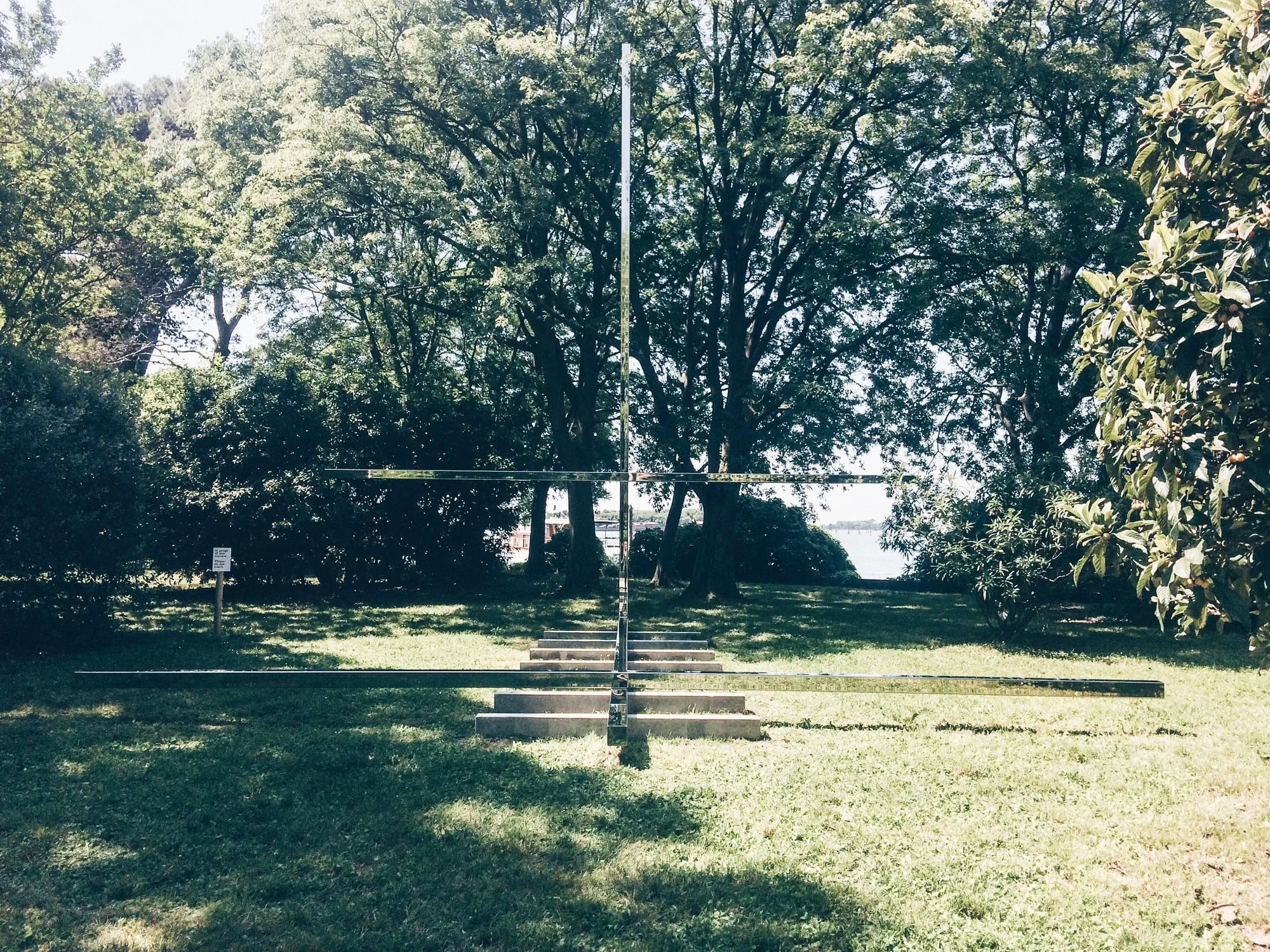
The Holy See’s debut pavilion will consist of the creation of 10 + 1 chapels on the island of San Giorgio Maggiore, within the spaces of the Giorgio Cini Foundation.
The project is conceived as a dispersed pavilion within a unique area: a section of the lagoon, far from any architectural landmarks. It’s a place that feels suspended and removed from the usual tourist bustle, essentially situated between water and sky, amidst a grove of pine trees, with the pervasive scent of resin.
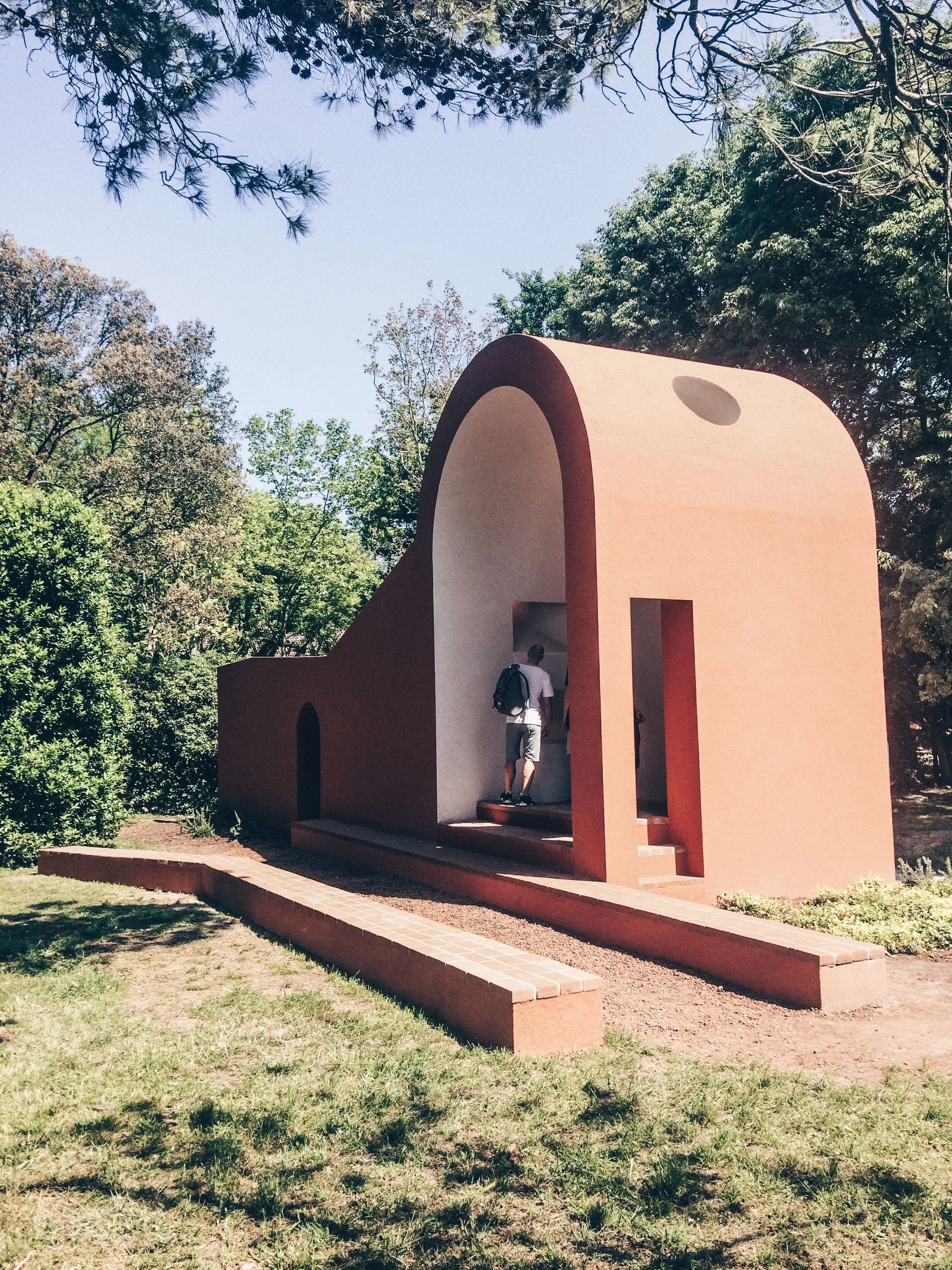
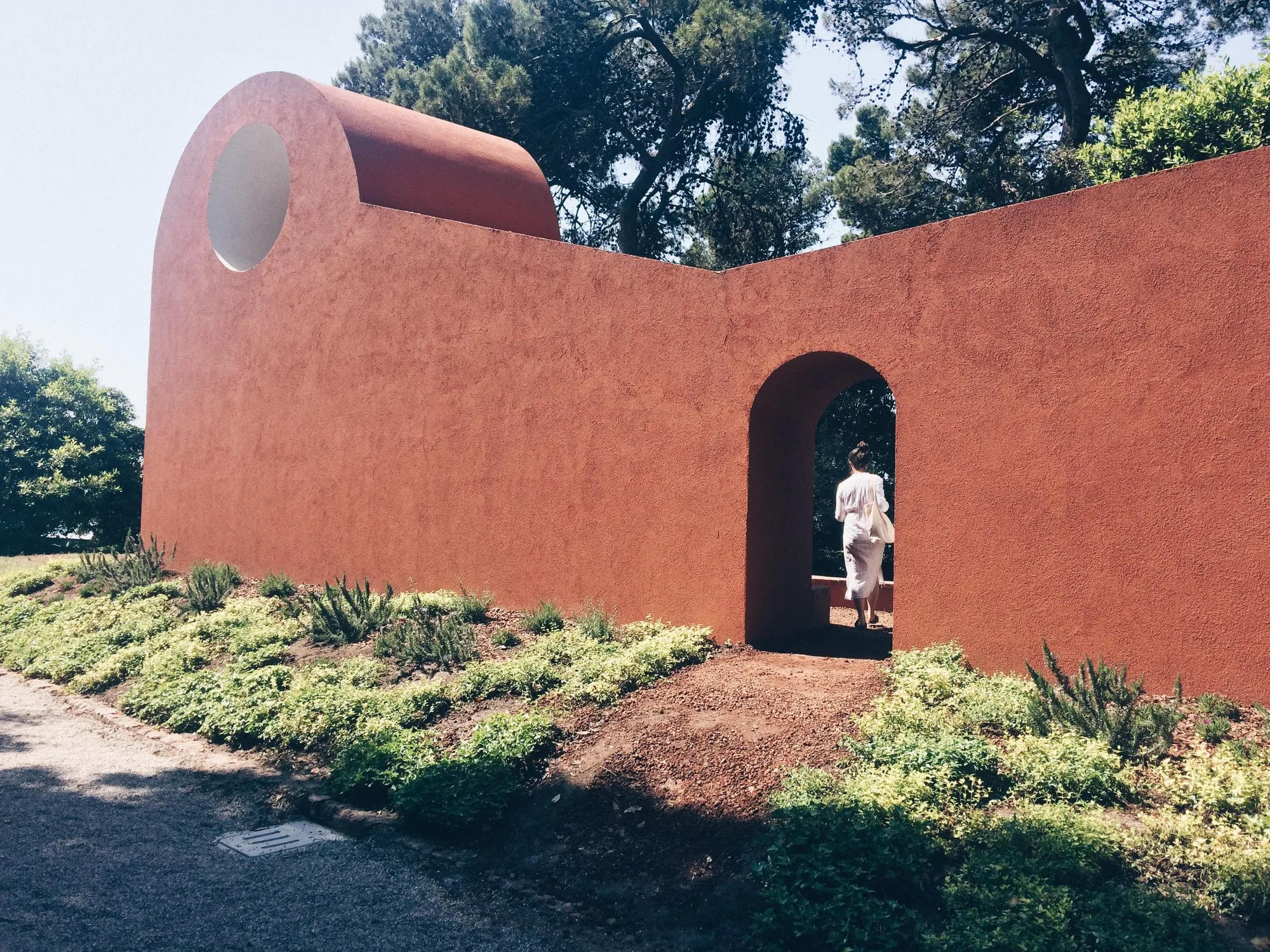
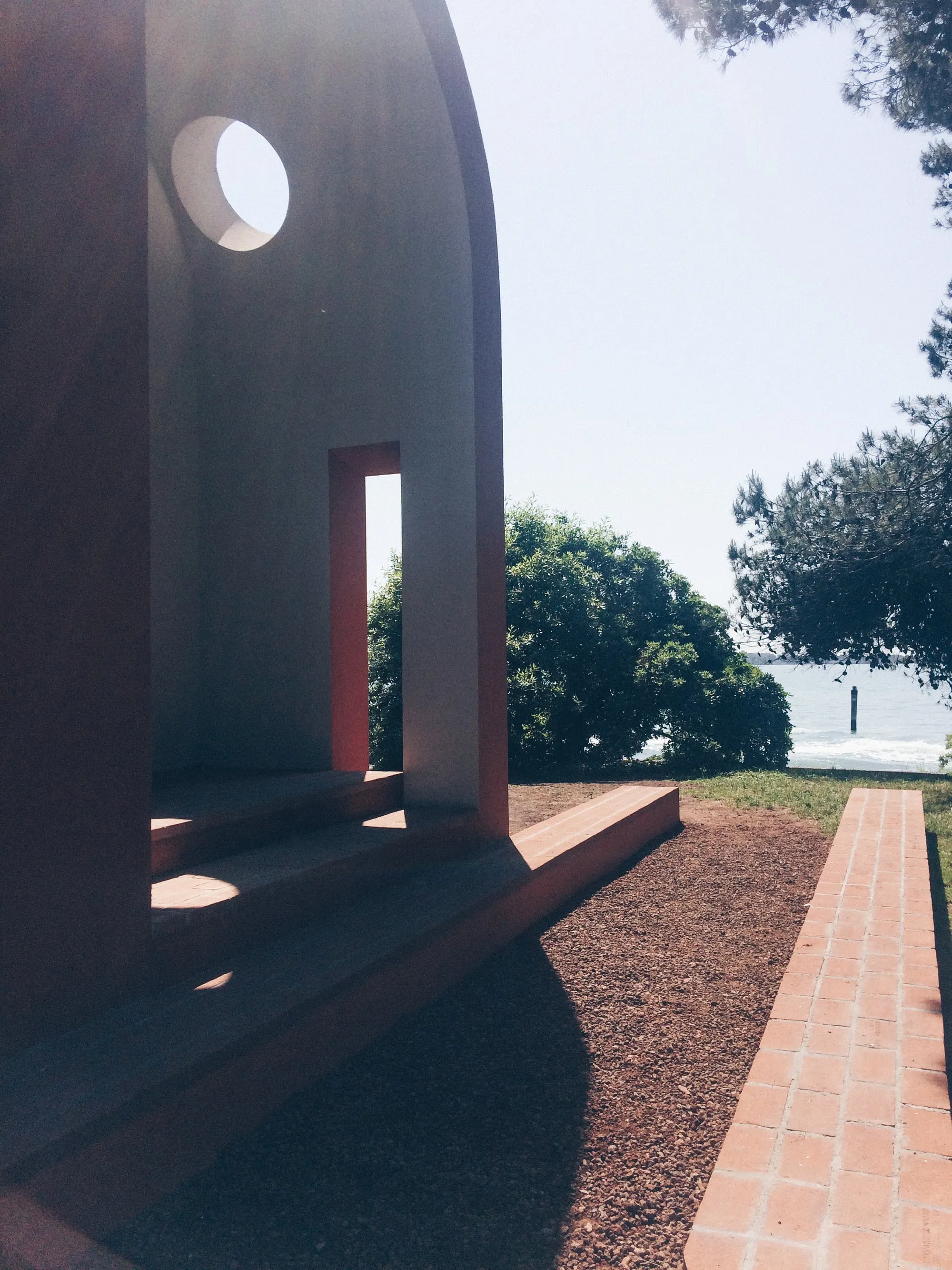
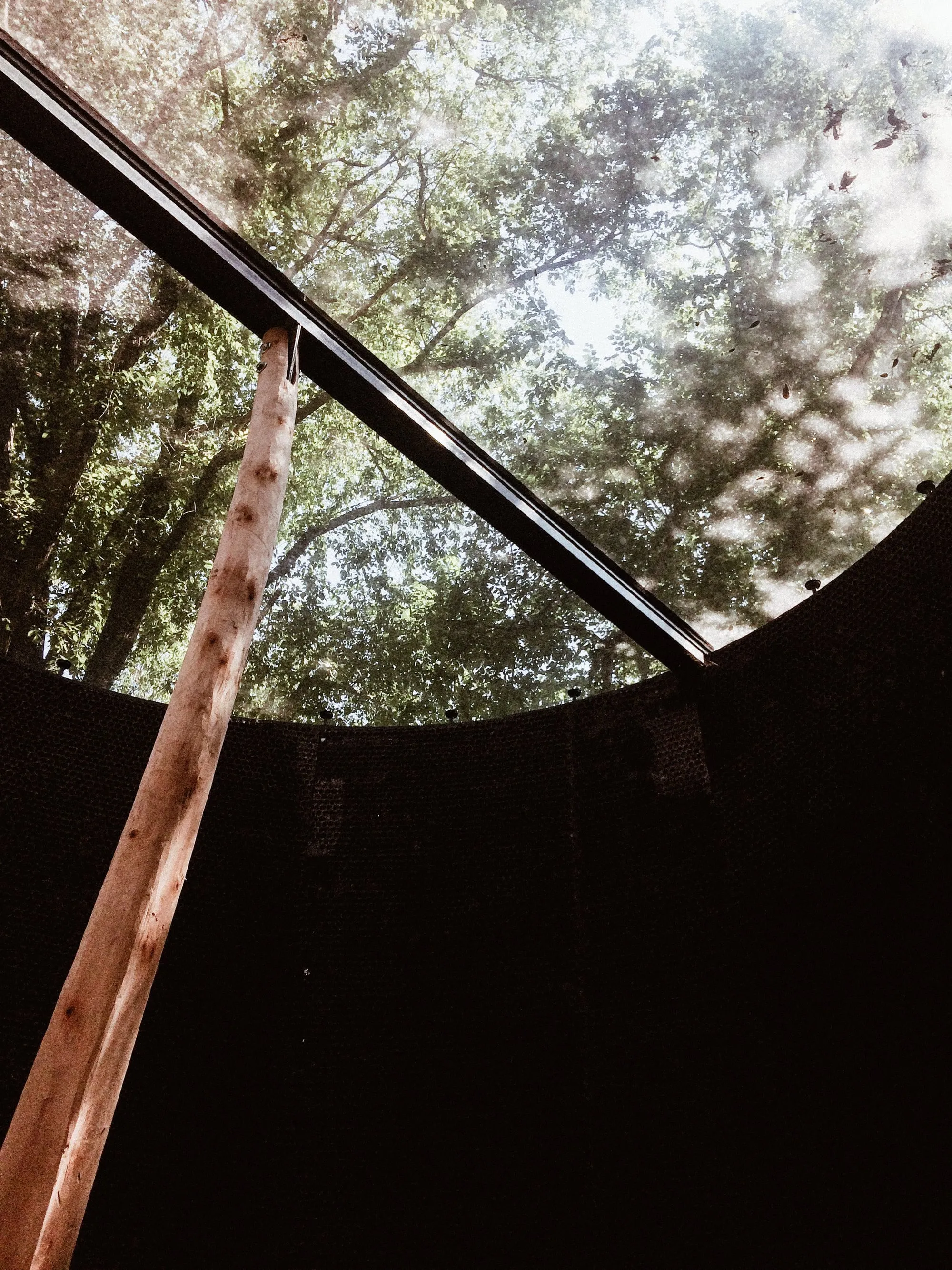
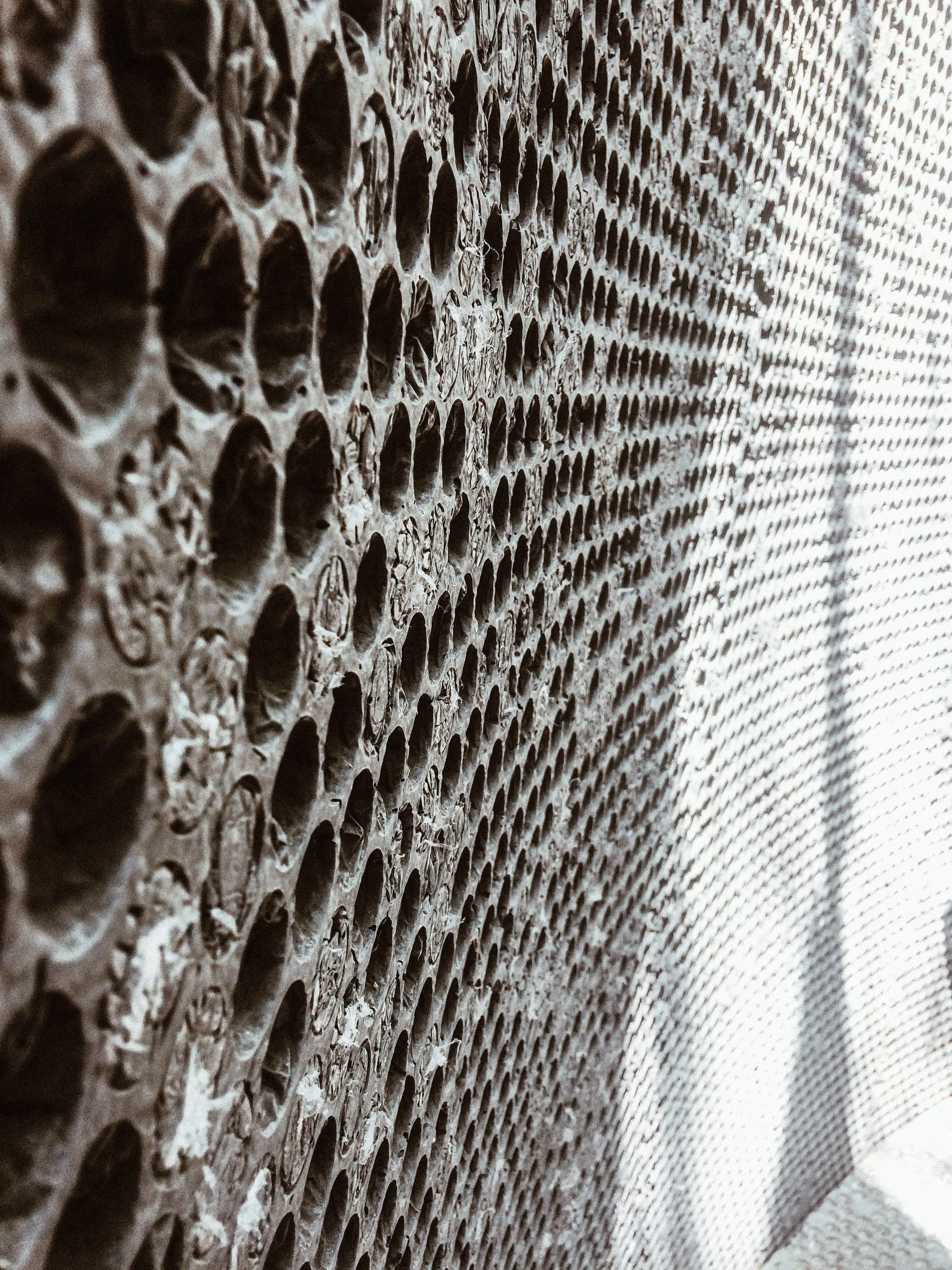
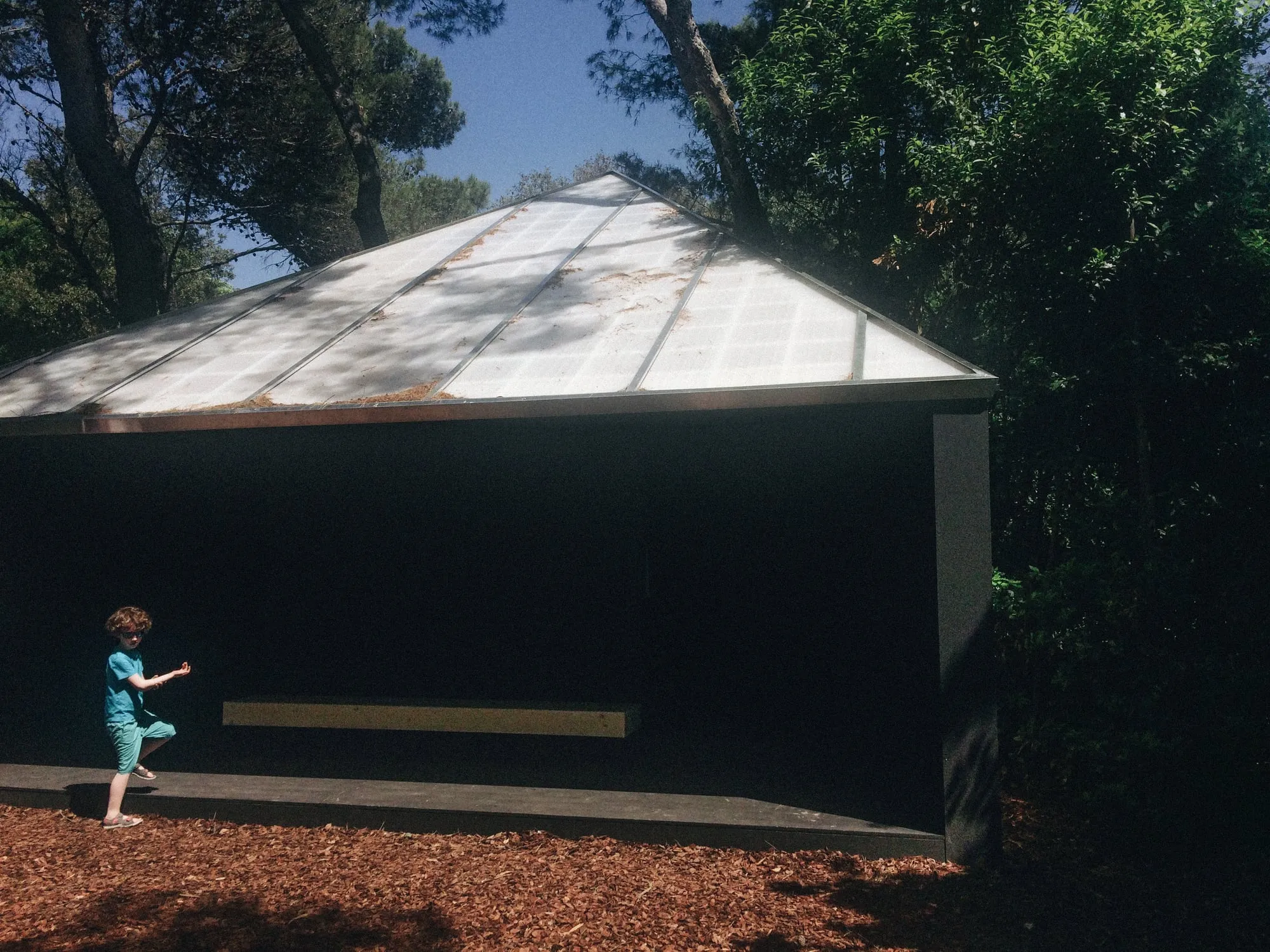
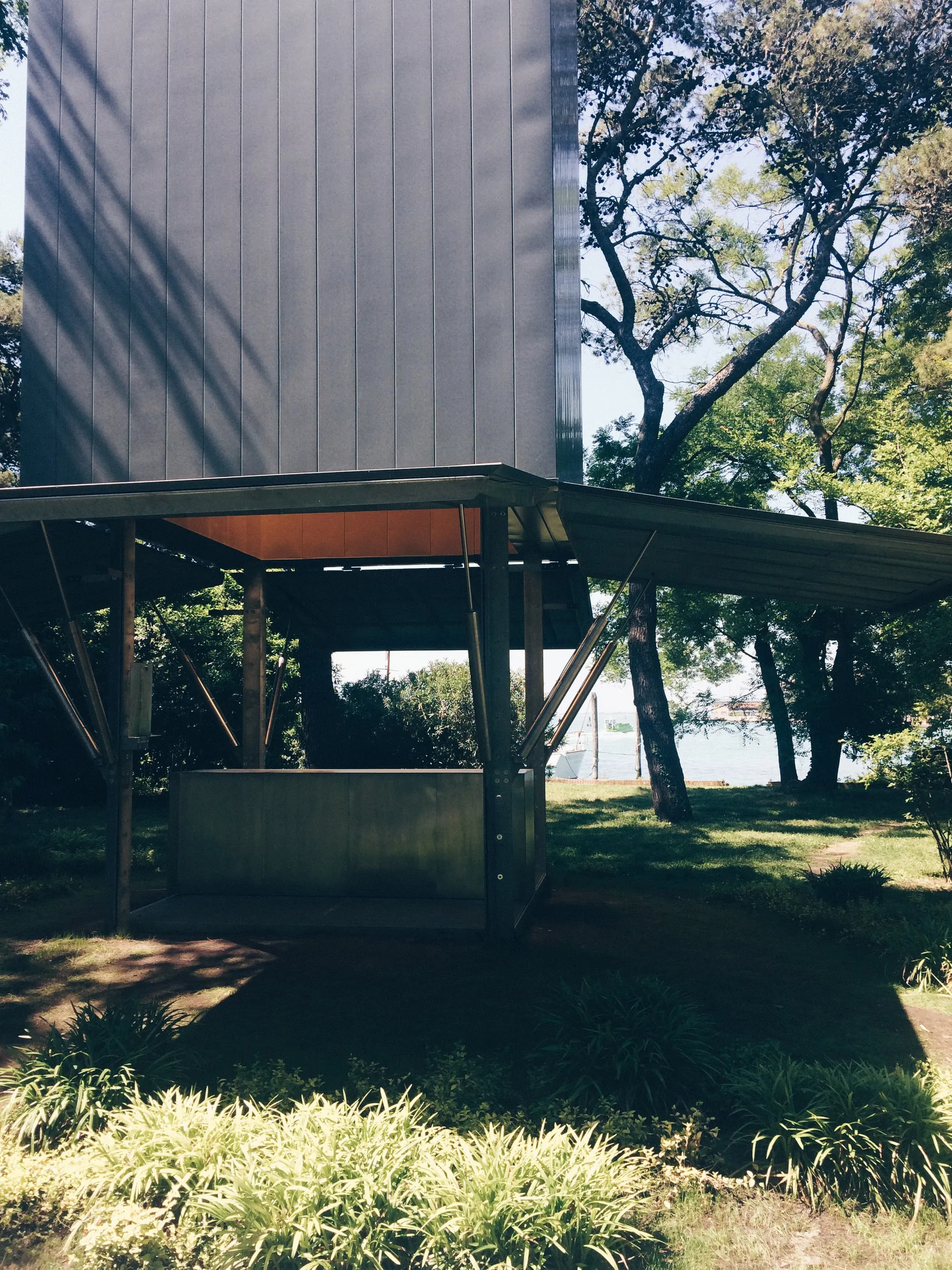
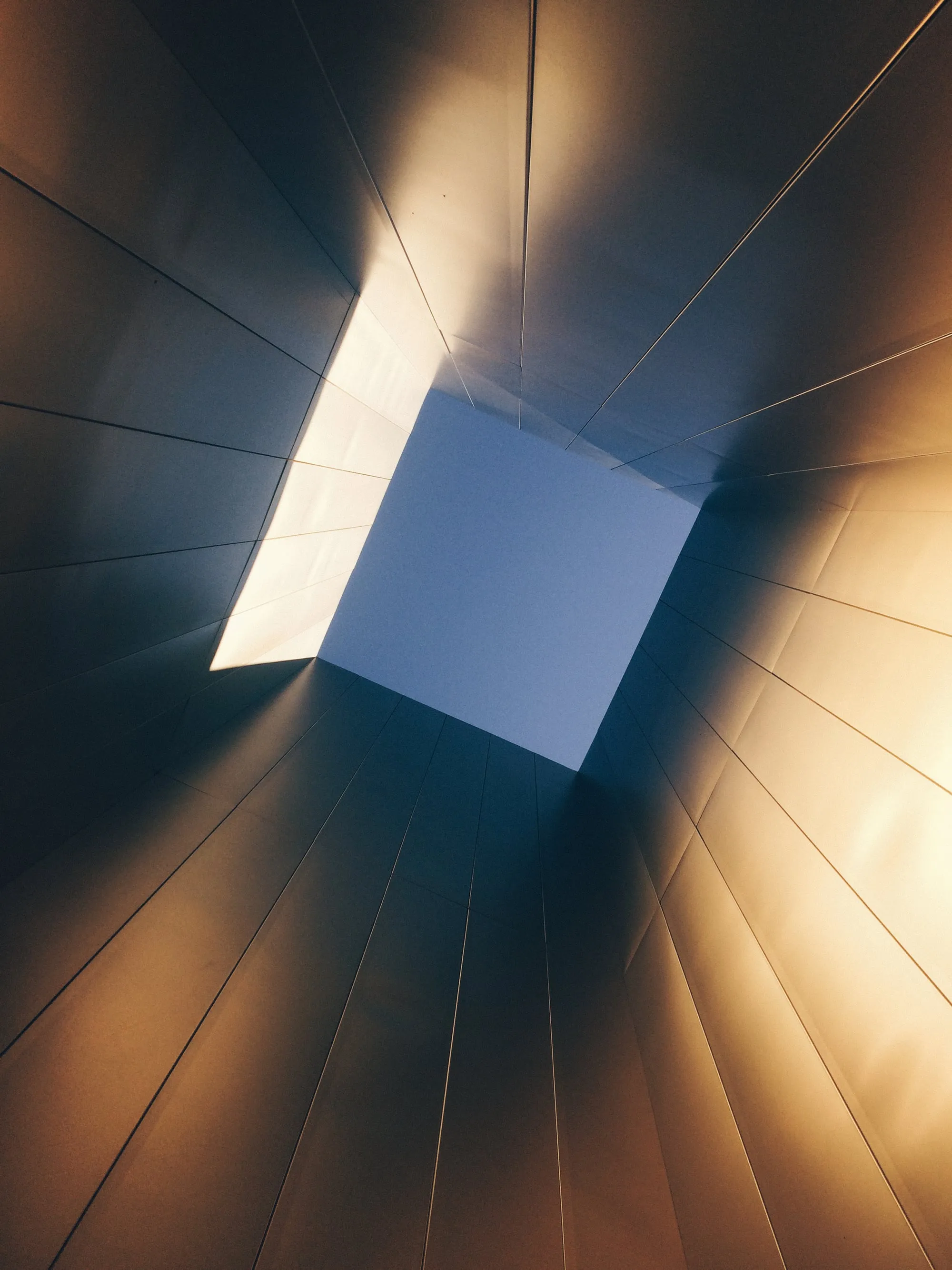
The curators, Francesco dal Co and Micol Forti, invited ten architects from around the world to interpret the theme of the “chapel in the woods,” drawing inspiration from the work of Gunnar Asplund in the Stockholm cemetery. Original drawings and models of Asplund’s work are presented in a small, alpine-inspired structure designed by Francesco Magnani and Traudy Pelzel.
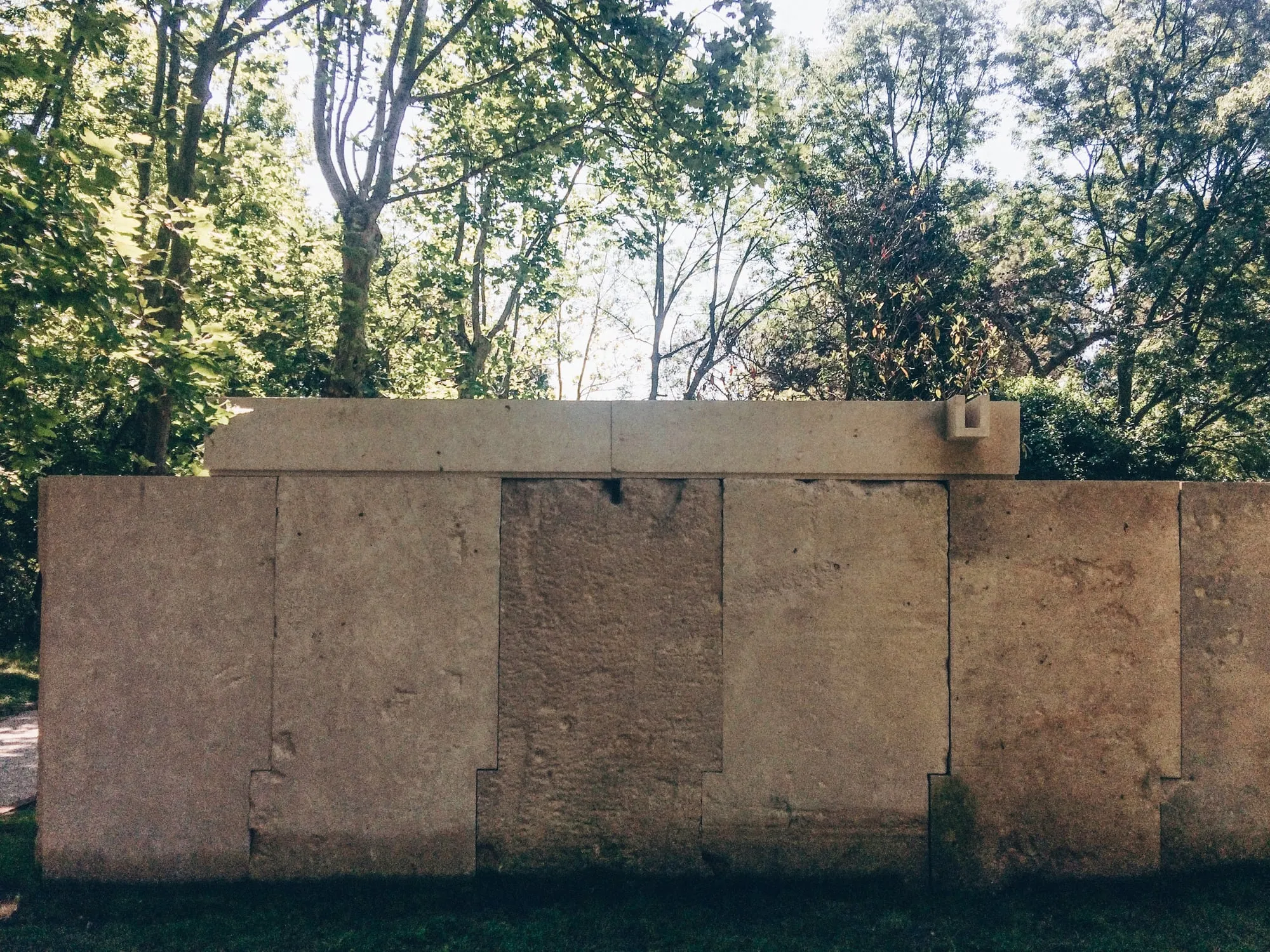
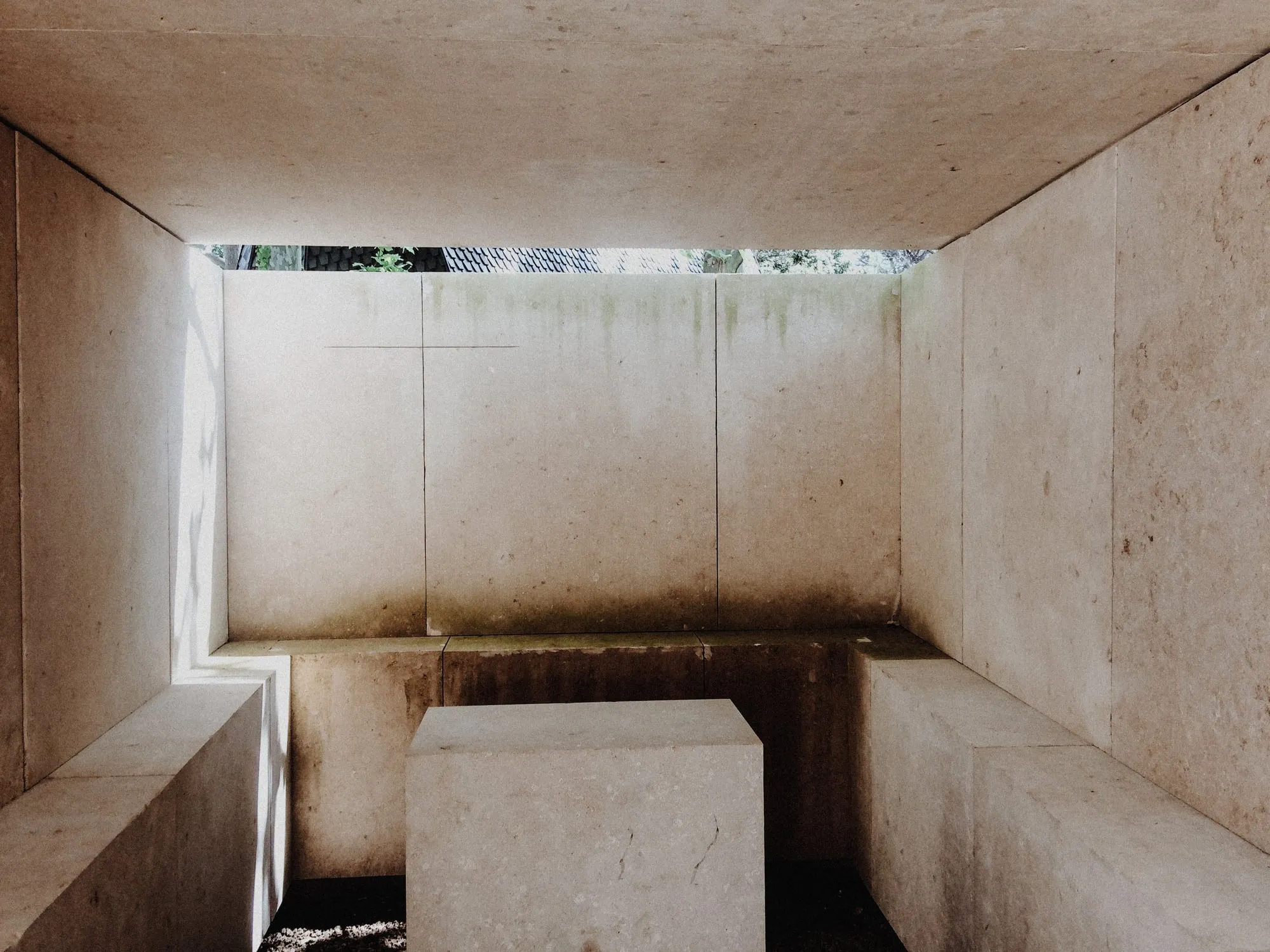
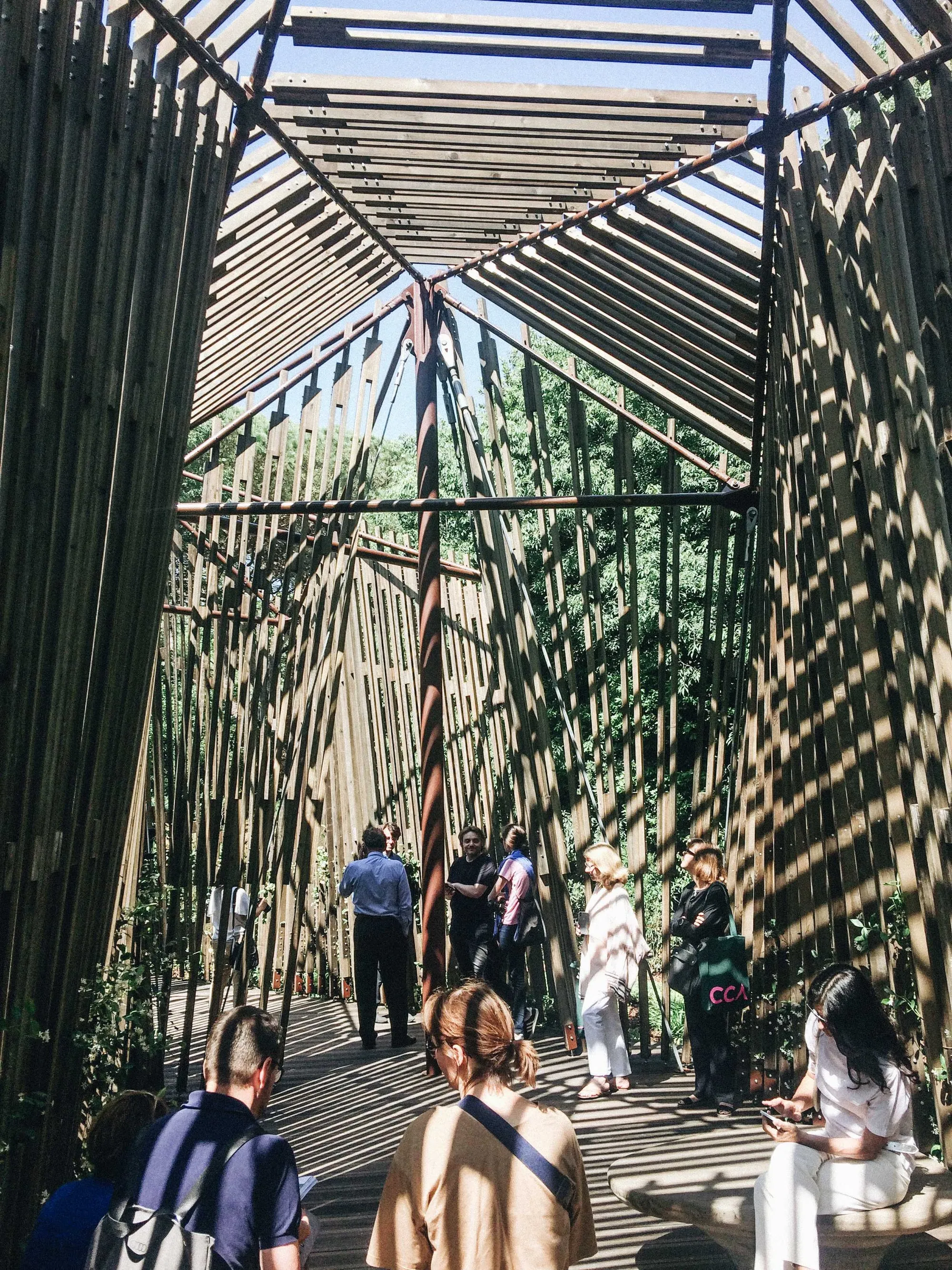
The pavilion, open to the public and the community for the duration of the biennale, comprises 10 different projects, all created at a 1:1 scale, which explore the multifaceted nature of a contemporary space. As Asplund put it, this space should be a place for “orientation, encounter, mediation, and farewell.” The pavilion itself, therefore, is conceived as a journey to be experienced, or rather, contemplated, freely.
The architects responsible for the ten projects are: Andrew Berman (USA), Francesco Cellini (Italy), Javier Corvalàn (Paraguay), Eva Prats and Ricardo Flores (Spain), Norman Foster (UK), Teronobu Fujimori (Japan), Sean Godsell (Australia), Carla Juacaba (Brazil), Smiljan Radic (Chile), and Eduardo Souto de Moura (Portugal).
Not all ten projects are equally compelling. Personally, I appreciated Carla Juacaba’s design for its refinement, the Catalan firm Flores i Prats’ “Chapel of the Morning” for its Mediterranean and universal qualities, and Smiljan Radic’s proposal for creating a space where the tension between verticality and earthly solidity is well-balanced.
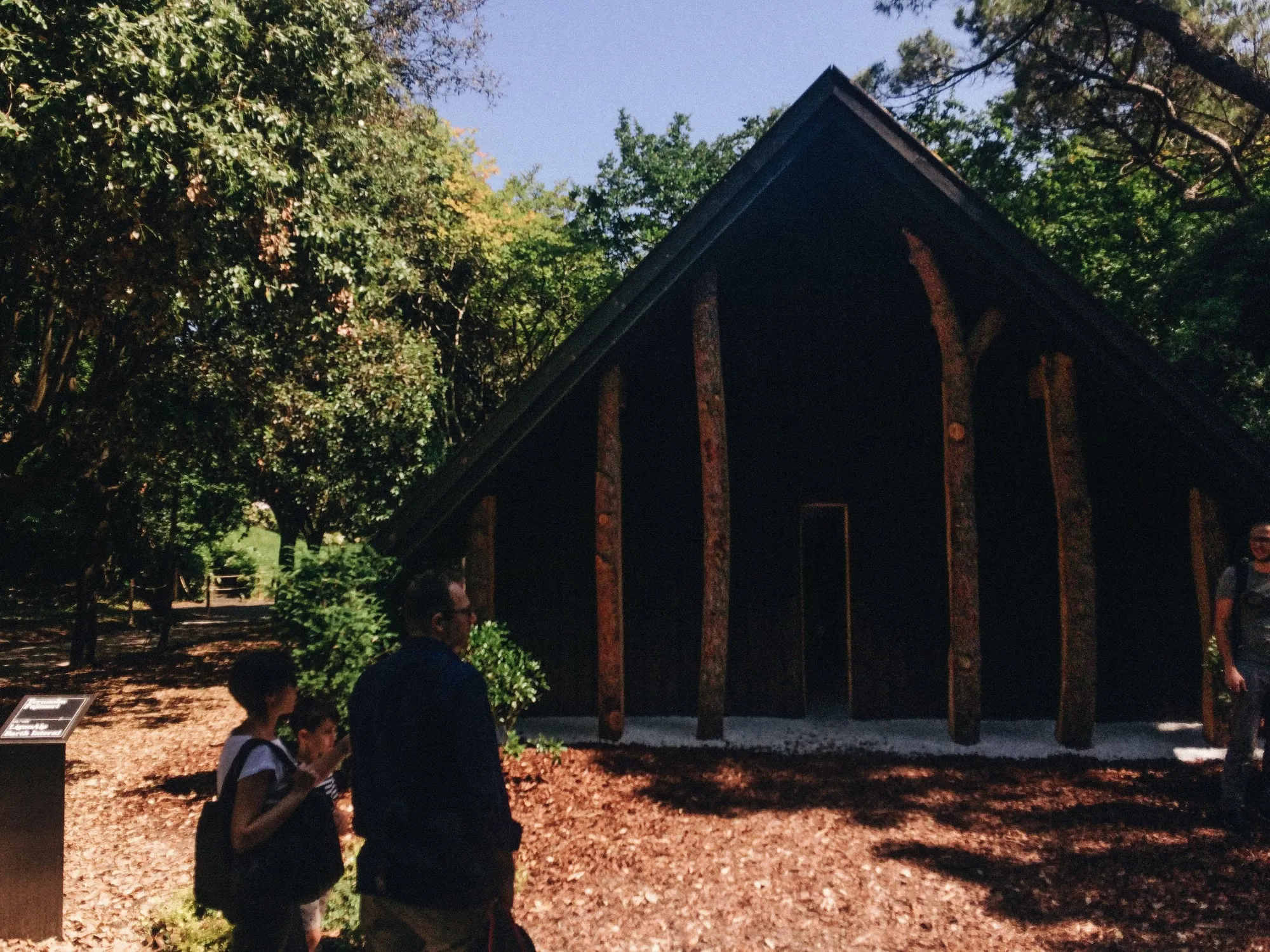
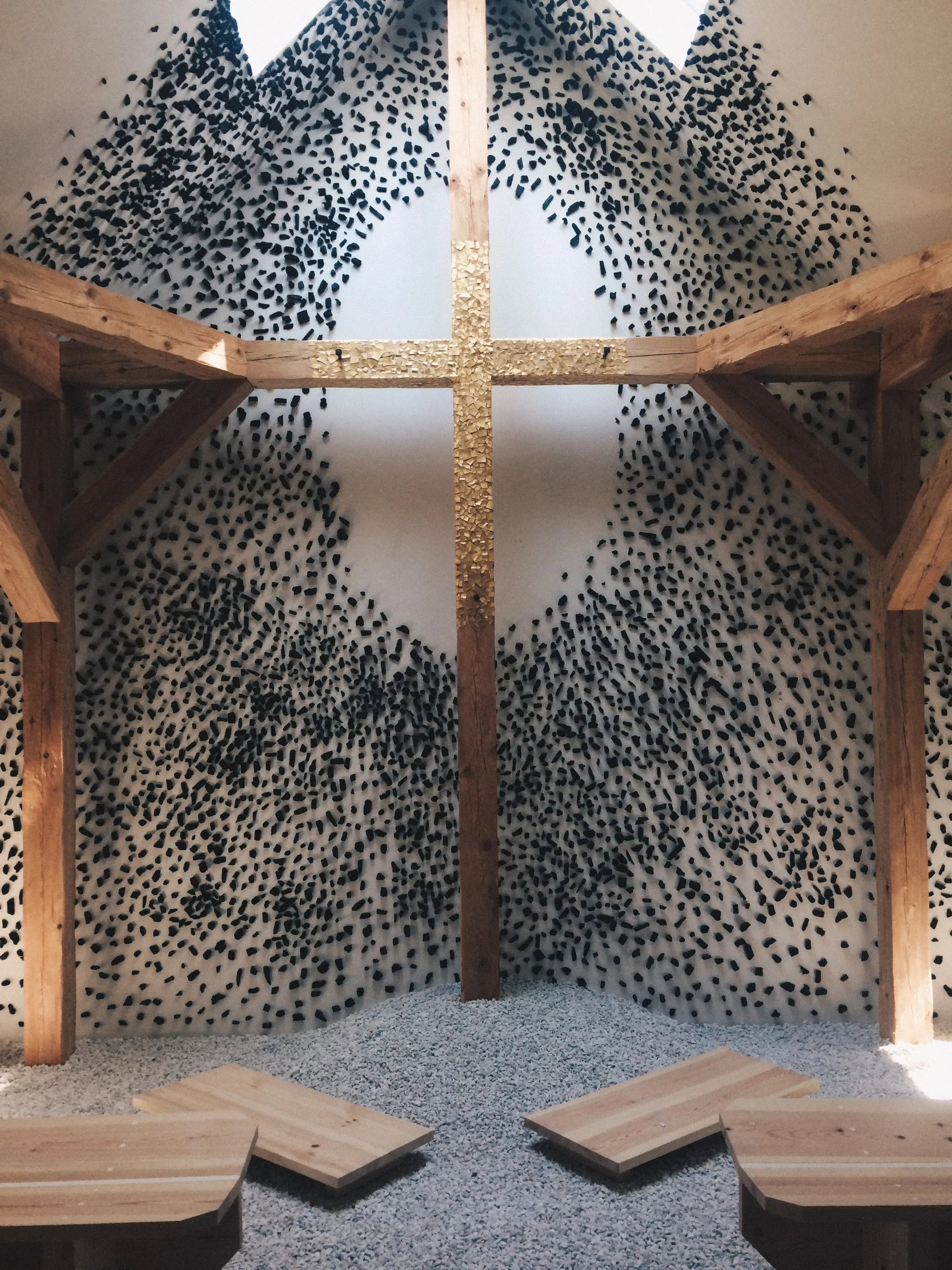
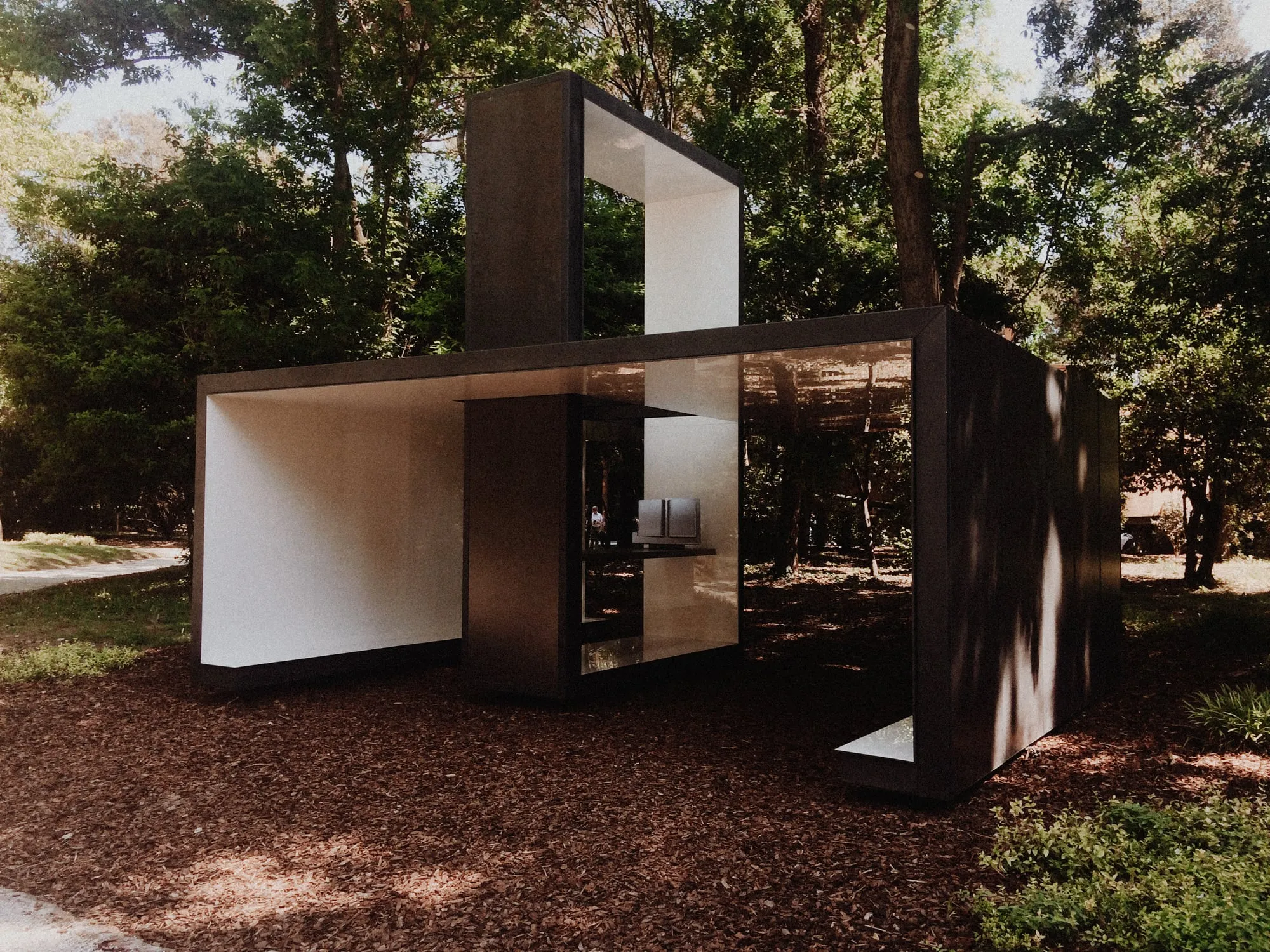
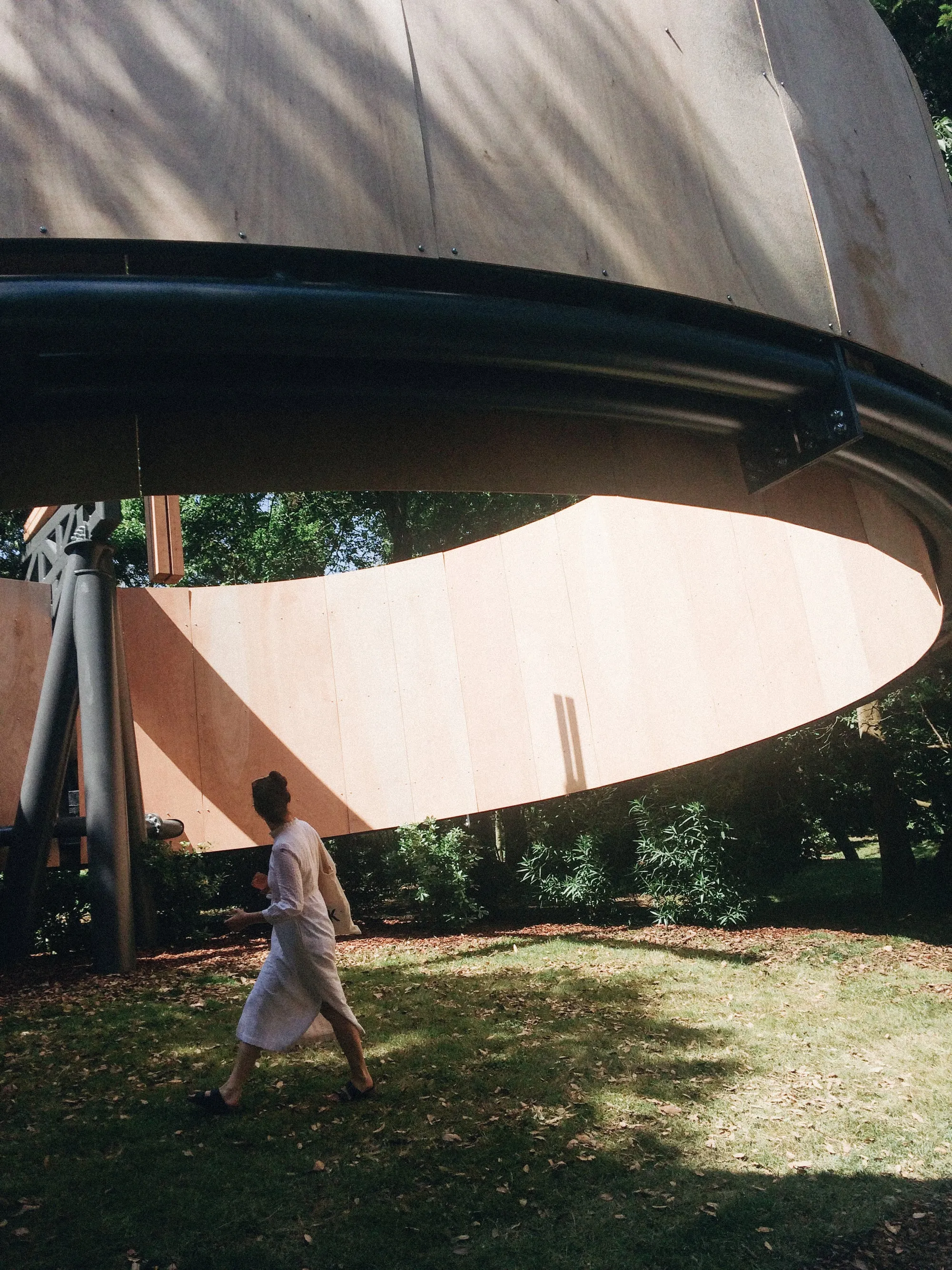
The image that the Holy See seems to want to project of itself is that of a living, international entity, capable of fostering exchange with other forms of spirituality (including atheism).
A comment from someone who attended the inauguration? Given the nature of the event and the number of guests, it was undoubtedly one of the most exclusive occasions of the two-day exhibition, a carefully conceived image-building exercise in terms of both social prestige and the quality of the cultural product.