Culture and education · Architecture
Readings: Eighteen books from our collection
· Automatically translated from Italian
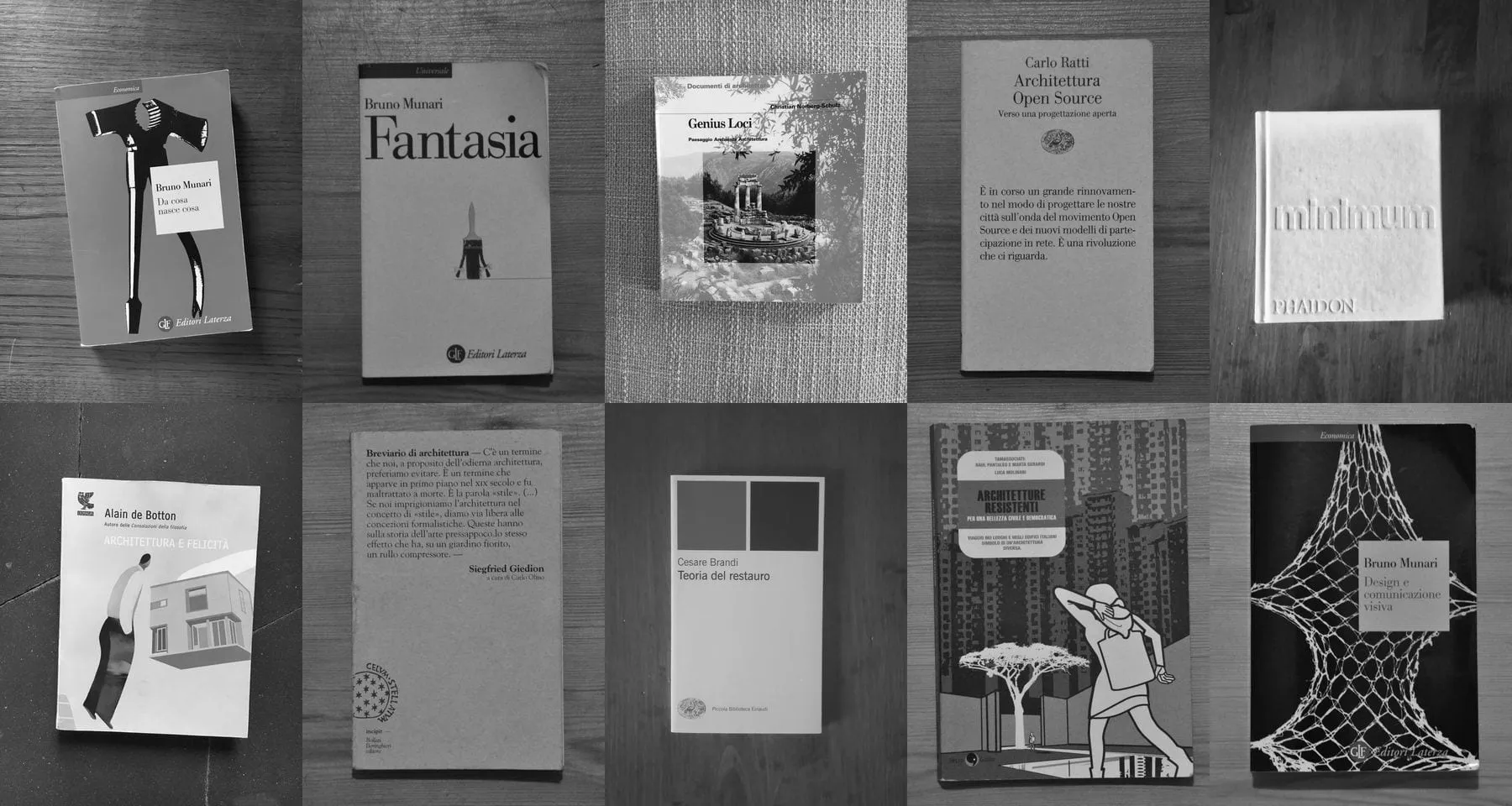
Each studio has a bookshelf filled with books that rarely find their way back to their proper place, because they are always open on a desk or borrowed by someone. This is ours: a selection of texts that we believe are useful and interesting for those who design, and for those who simply want to better understand the space they live in.
We begin with Bruno Munari, who, with enchanting simplicity, reminds us that “knowing how to design is not an exclusive or innate gift of a few,” and we conclude with Cesare Brandi’s “Theory of Restoration,” a book “that should be in the library of any professional.” In between, we find Norberg-Schulz’s “Genius Loci,” John Pawson’s minimalist approach, the Antinori cellars, which Marco Casamonti describes as “a project that you don’t see, but that helps you to see,” and Alain de Botton, who reminds us that the space around us influences “in a strong and permanent way” how we live and experience emotions.
Eighteen books, each with a brief description explaining why it’s worth opening.
Books
B. Munari, “From What Does Everything Come From? Notes on a Design Methodology,” Laterza, 1998
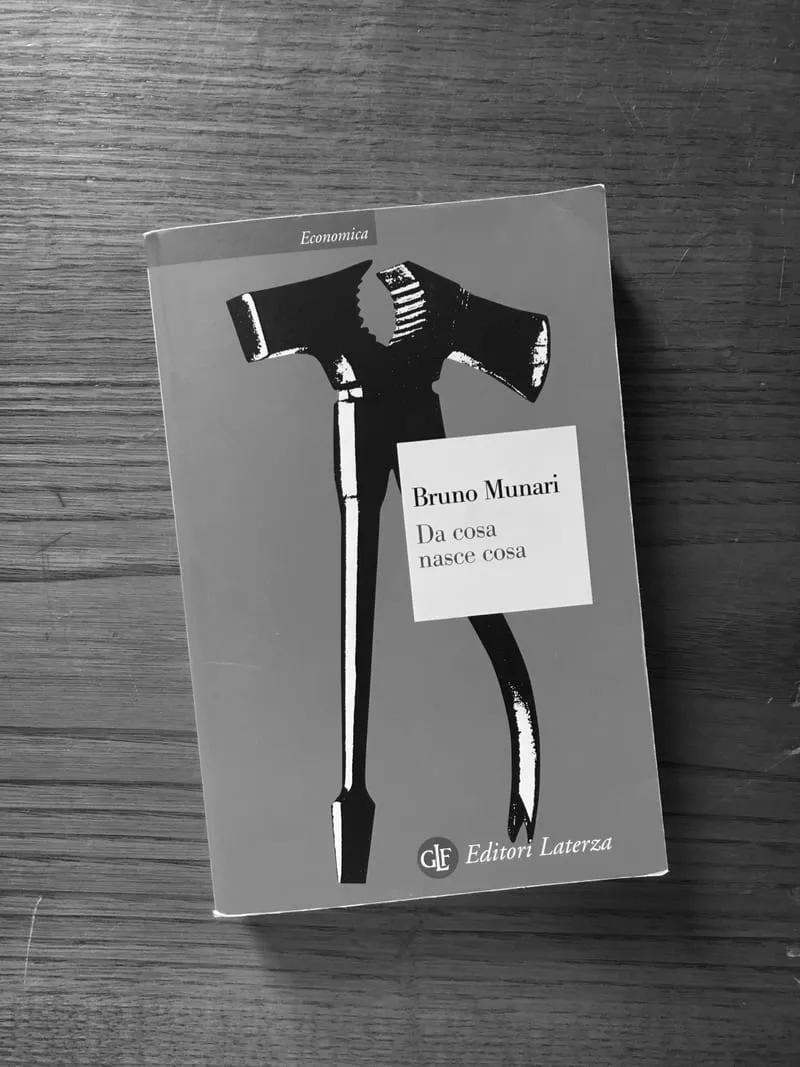
Among Munari’s great books, this one is perhaps the one that brings the most joy to readers, thanks to the enchanting lightness with which it shows them that the ability to design is not an exclusive or innate gift of a few. There is creativity within each of us, and Munari helps to develop and highlight it in these pages.
C. Norberg-Schultz, “Genius Loci,” Electa, 1992
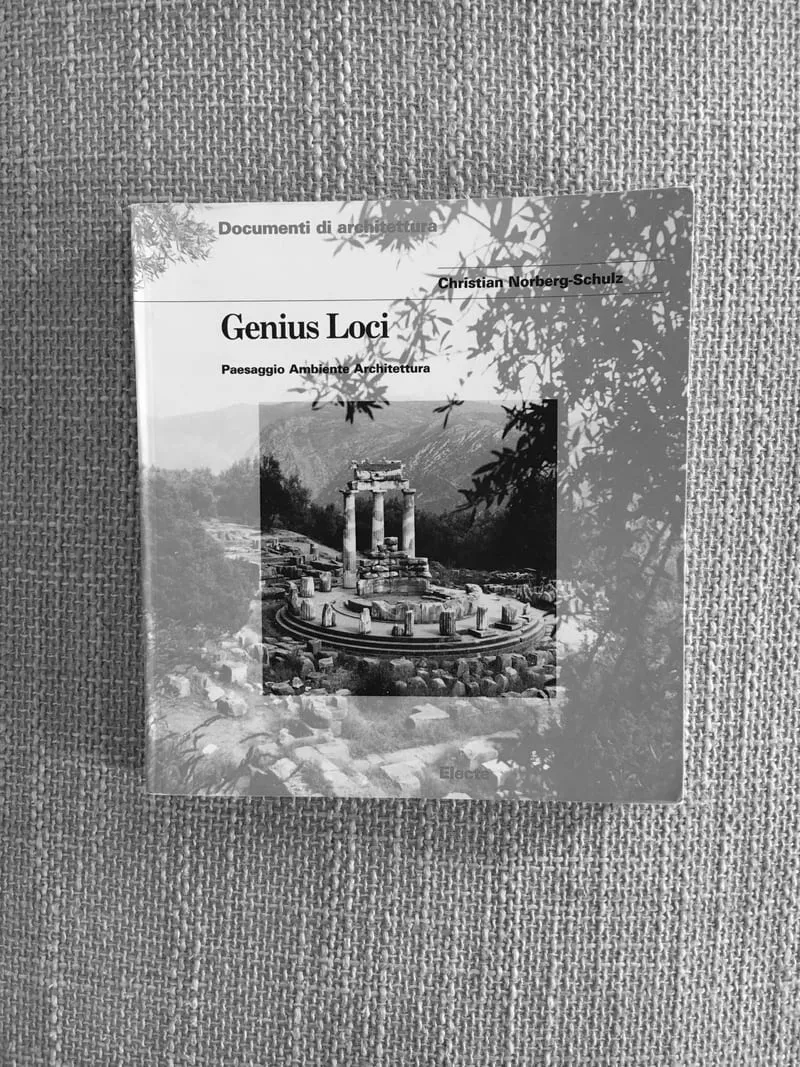
The author explores a series of cities and examples to propose a novel phenomenology of architecture, a narrative of how a place, whether natural or artificial, possesses its own spirit, its own character – the “genius loci” – which tells its story and reveals its past.
B. Munari, “Fantasy,” Laterza, 1977
Munari transports us into the realm of Imagination, that force that guides our imagination towards the new and the possible. He takes us by the hand, explaining how to best harness it and how to teach it in early childhood education. This pedagogical book is intended for every school in the world, to provide everyone with the means of self-expression.
S. Okada, “My Projects, My Architecture,” Electa, 2009
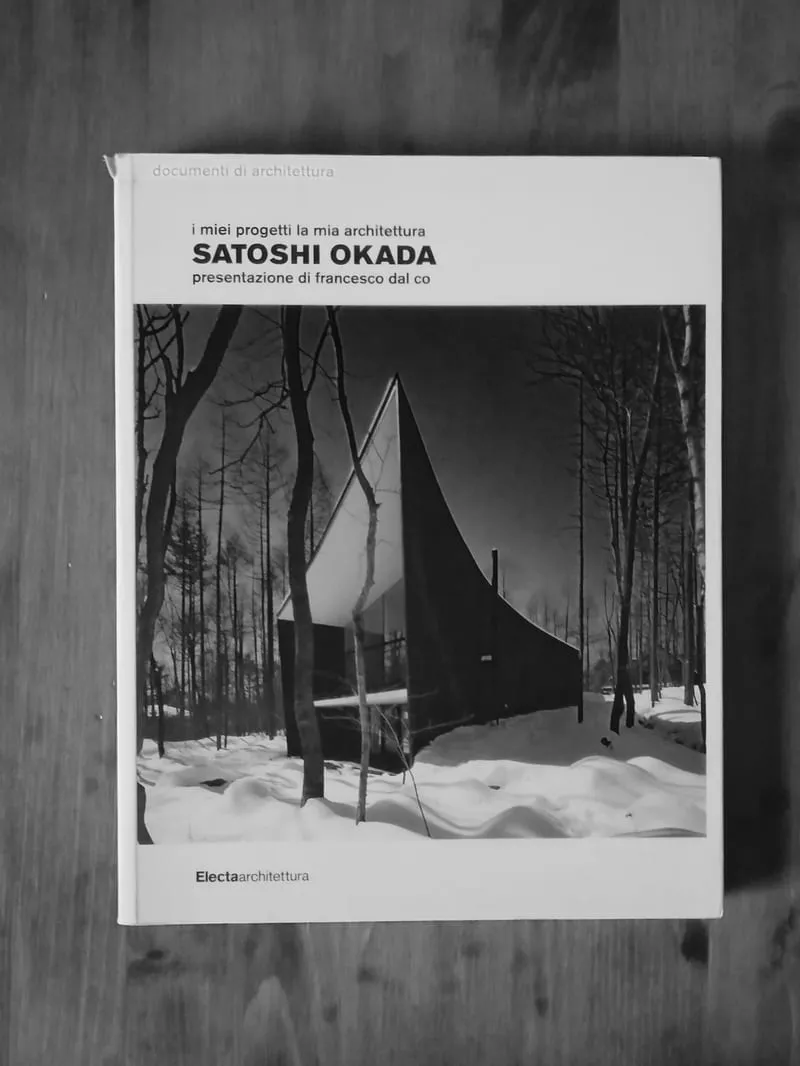
Francesco Dal Co introduces us to the Japanese architect Satoshi Okada. He explores the complex themes and reasons that underpin Okada’s work, where one can appreciate the elegance and austere simplicity that characterize the author’s vision. In examining Okada’s designs, one is struck by his inclination towards intricate details, his spatial sensitivity, and his unique ability to engage with Japanese history.
A. Bassi, “Anonymous Design in Italy,” Electa, 2007
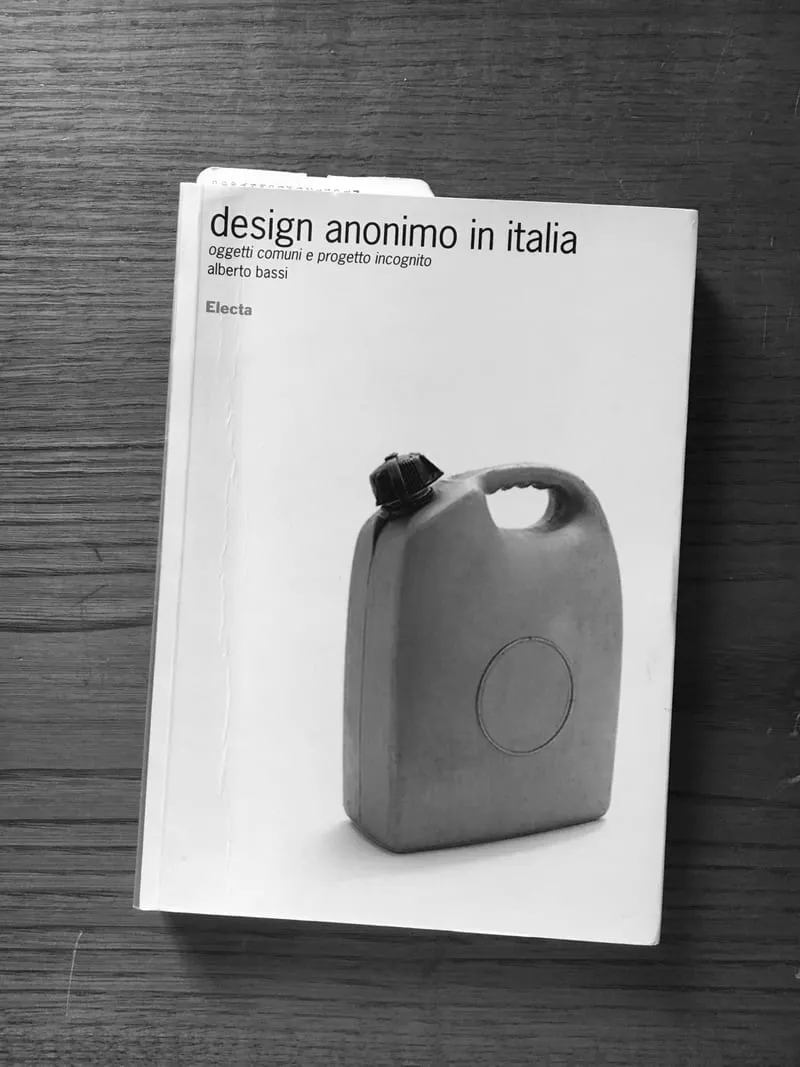
This is a collection of outstanding examples of excellent and functional design, a series of timeless pieces in industrial design, all meticulously crafted… by no one. Bassi traces the history of design born from necessity, experience, and expertise, but which has left us no known author or designer.
C. Ratti, “Open Source Architecture,” Einaudi, 2014
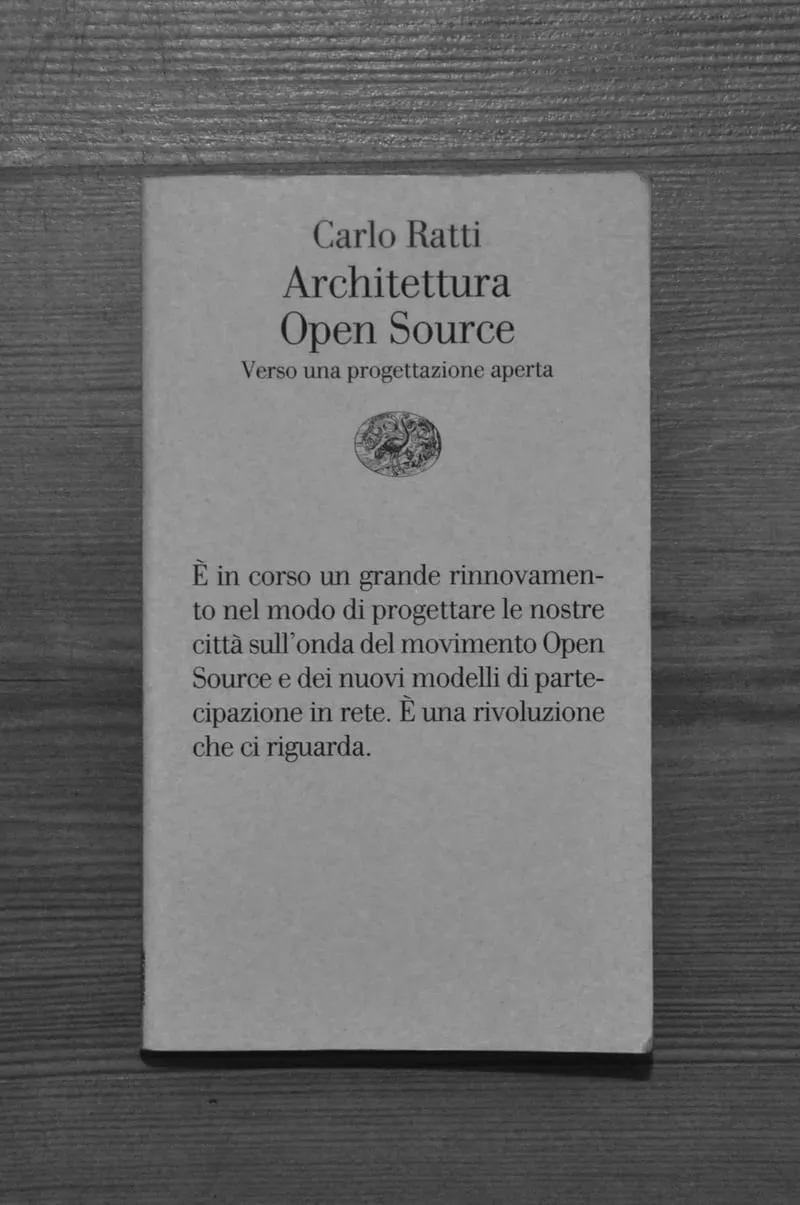
From the past to the future, the book examines collaborative design strategies, starting with the embryonic ideas of Ledoux, moving through the failures of “social” architecture in the last 20 years, and culminating in the advent of the internet and the vast possibilities it offers, supported by FabLabs and similar institutions. This is a necessary book for understanding what architecture and design could be, a way to stay up-to-date in a fun and accessible manner. Ratti, without resorting to grand pronouncements or abstract concepts, transports you to an innovative and generous way of thinking, full of ideas and concrete utopias.
M. Romano, “The City as a Work of Art,” Einaudi, 2008
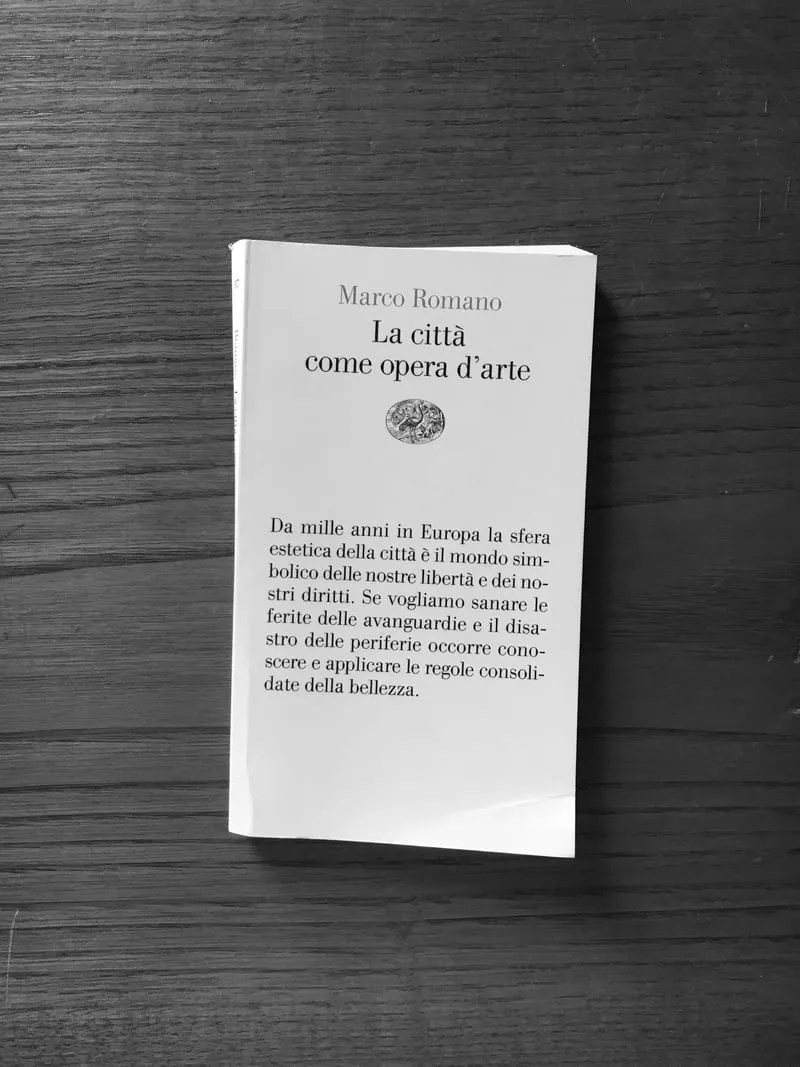
The European city has always been the environment of the Western democratic civitas, where human rights and freedoms have flourished. For this reason, the walls of the urbs were conceived with the ambition of offering a perspective of eternity, in which to ground earthly hopes and fully identify as citizens. The degradation of European peripheries, where residents are deprived of their sense of belonging to the civitas, is one of the disasters of the 20th century. Europe has been able to recover from the setbacks caused by totalitarianism, saved by the ancient democratic roots of the civitas, but it does not yet seem to be embarking on a similar effort to regenerate the established concept of the urbs.
A. de Botton, “Architecture and Happiness,” Guanda, 2008
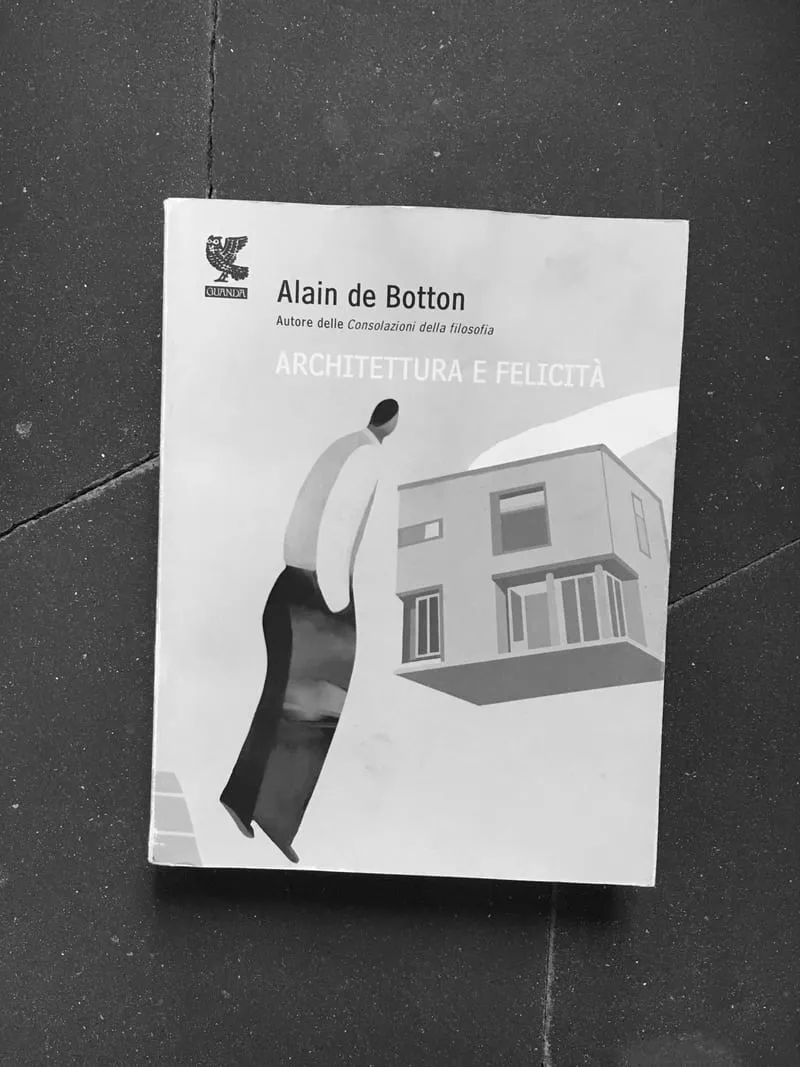
Perhaps it is taken for granted, or perhaps it is simply not considered, but the space around us profoundly and permanently influences the way we live, think, and experience emotions. Just as a beautiful and pristine natural landscape can offer moments of bliss, so too can a built environment, an architectural space. De Botton explores the true significance of living in harmony with architecture, when it is beautiful, and how this experience changes our way of seeing and feeling things.
W. Jones, “Architects’ Sketchbook,” L’ippocampo, 2011
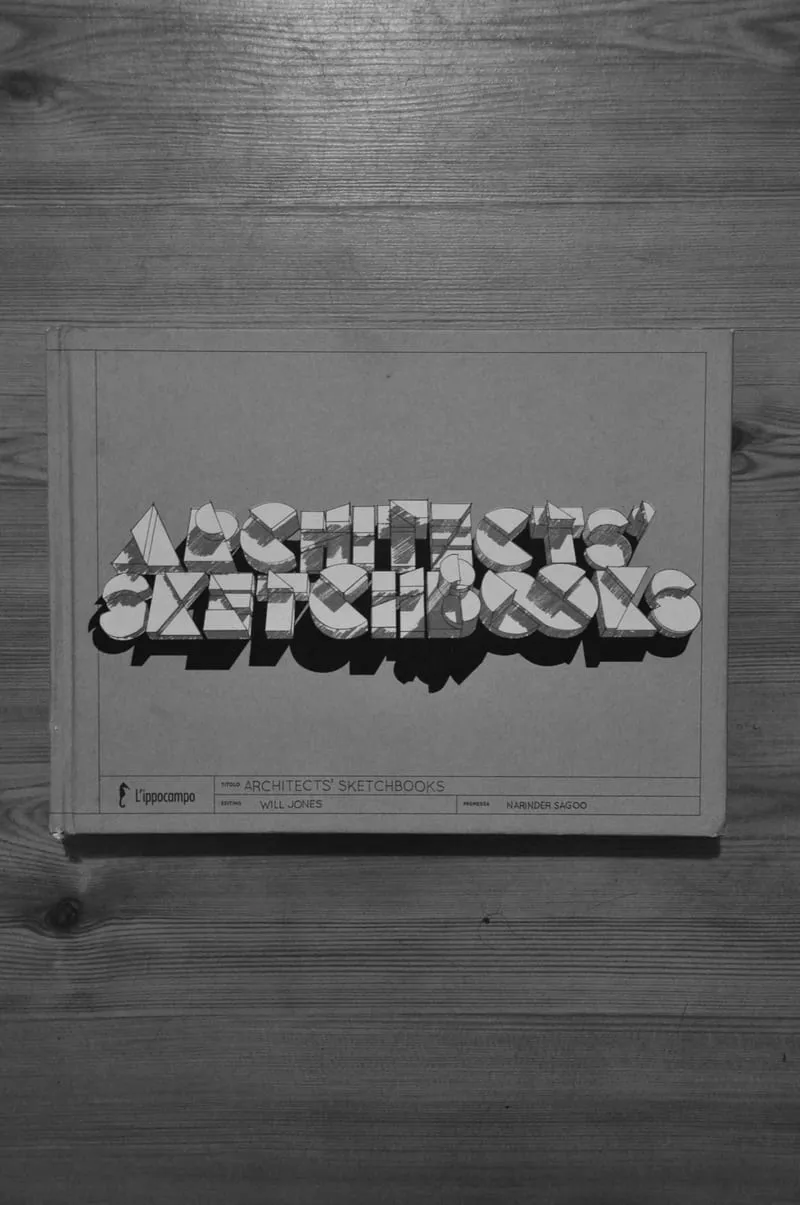
This book features few written words but many images. Leading architectural firms have contributed their renderings and design sketches to bring this collection to life, showcasing the initial results of the creative processes of architects and serving as a source of inspiration for future students.
Tamassociati: R. Pantaleo, M. Gerardi, and L. Molinari, “Resilient Architecture: Towards a Civil and Democratic Beauty,” Becco Giallo, 2013
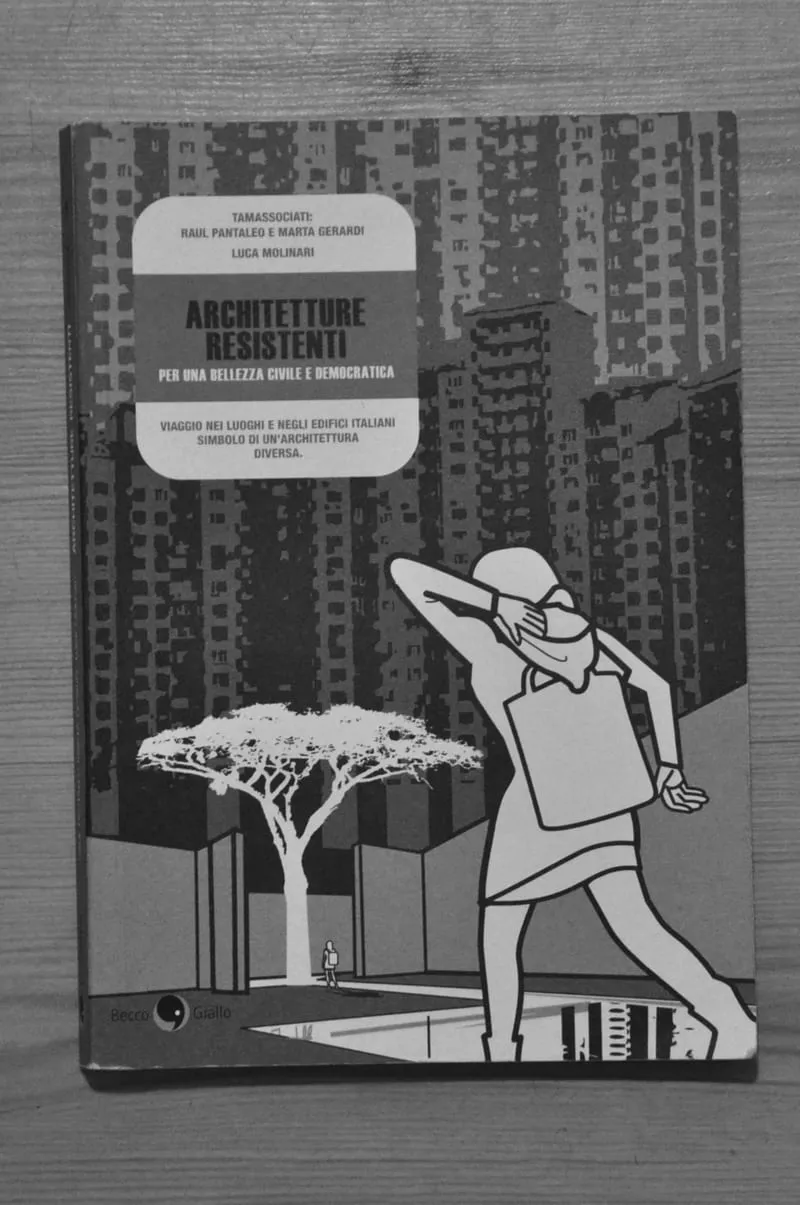
A journalist is compelled by her editors to undertake an impossible task: to interview architecture. From this starting point, a “lightweight” comic book, featuring simple, framed, and tricolor drawings, embarks on an adventure to explore the architectural landmarks in Italy that have held significant social value, narrating their history and importance.
S. Giedon, edited by C. Olmo, “A Brief History of Architecture,” Bollati Boringhieri, 2008
Siegfried Giedion is one of the founding theorists of modern architecture and the founder of CIAM. This book is a summation of his thought. The search for a new monumentality, urban planning, the holistic union of the arts, a new regionalism… these are just some of the topics he explores, expressing his own ideas. Written in 1958, it is a book to be read in any year to understand the spirit that revolutionized the very concept of architecture and to become aware of some issues that have not yet been fully resolved.
B. Munari, “Design and Visual Communication,” Laterza, 1993
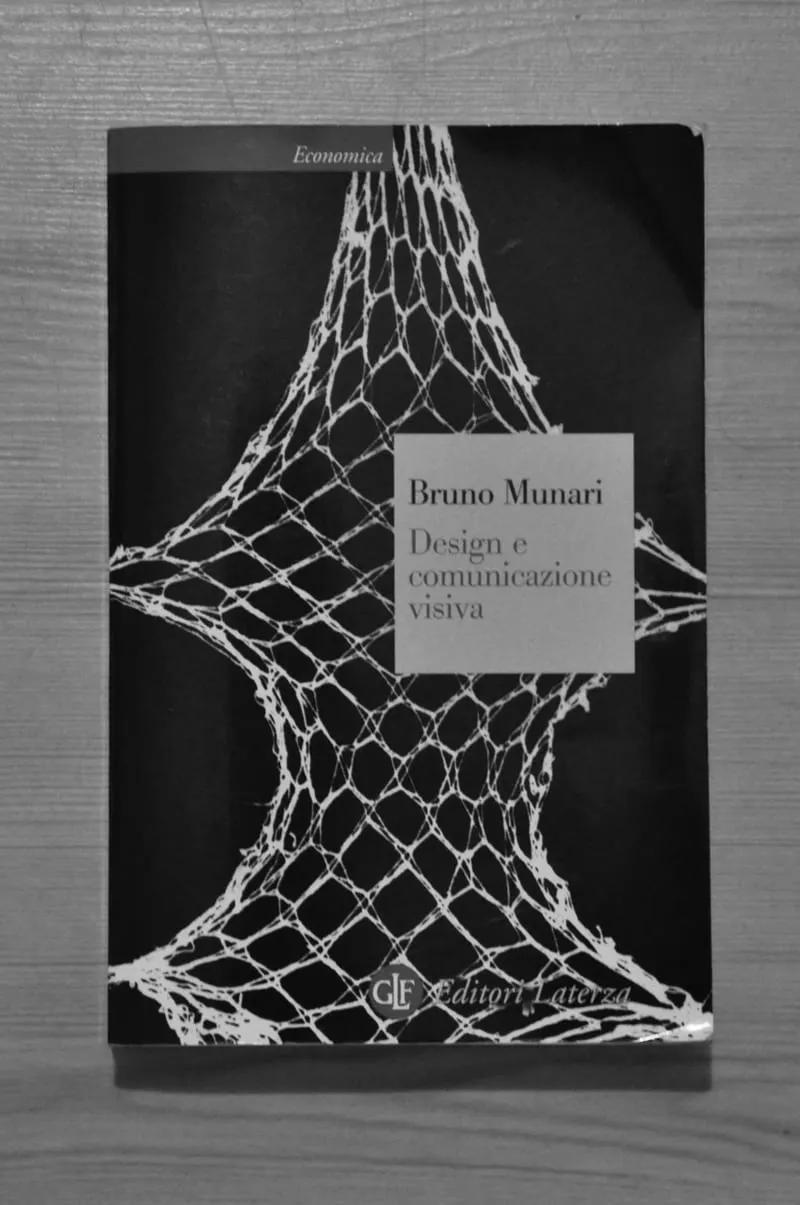
Munari, a skilled writer, divides this treatise into two parts: the first section contains a diary-like account of the teaching methodologies used in the lectures given by Munari at Harvard in 1967. The second section explores the mechanisms of graphic design and product design. Within it, one finds the conceptualization and clarification of all the techniques used by designers. The representation techniques are explained in a comprehensive yet simple manner, gradually revealing themselves to be fundamental and an integral part of the genetic heritage of all humanity.
V. P. Mosco, “Bare Architecture,” Skira Publishing, 2012
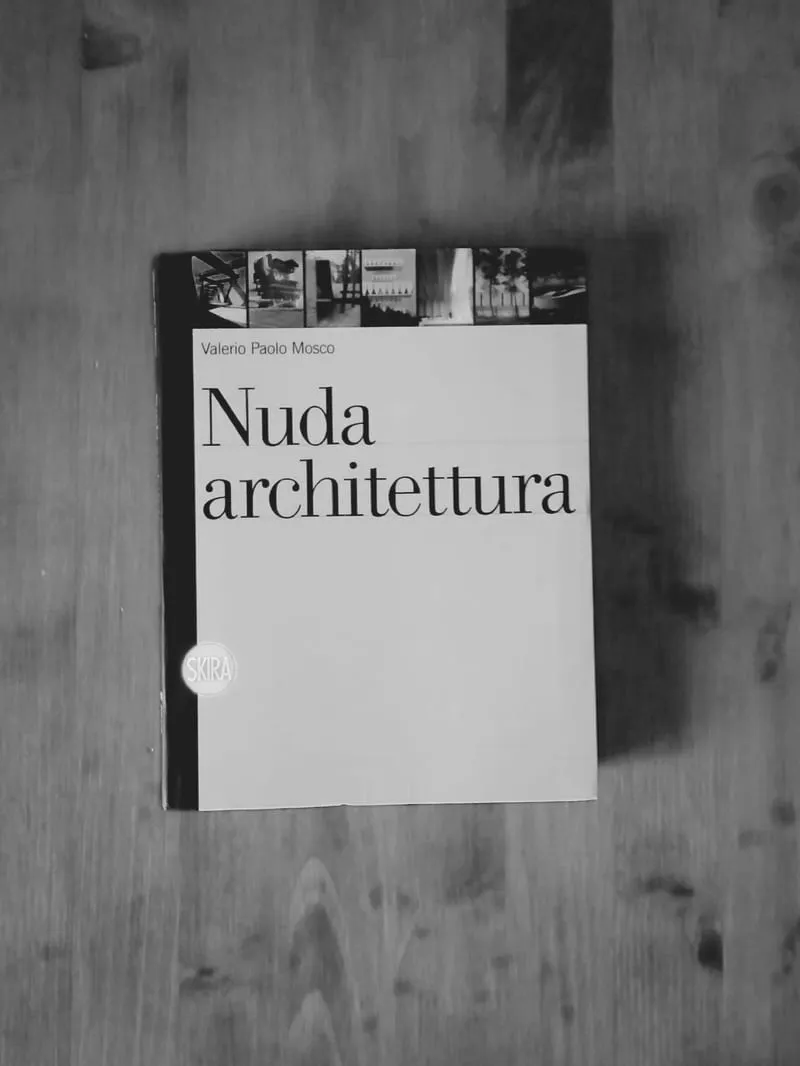
The author’s compelling dialogue leads the reader to appreciate the poetic and structural truth that characterizes the work of the architects presented. Nudity, as a means of revealing volumes, and nudity as an expressive tectonic concept, along with the inherent consistency between a building and its resistance to gravity, represent the central theme of Mosco’s investigation, which is both fascinating and convincing.
J. Pawson, “Minimum,” Phaidon Press, 1996
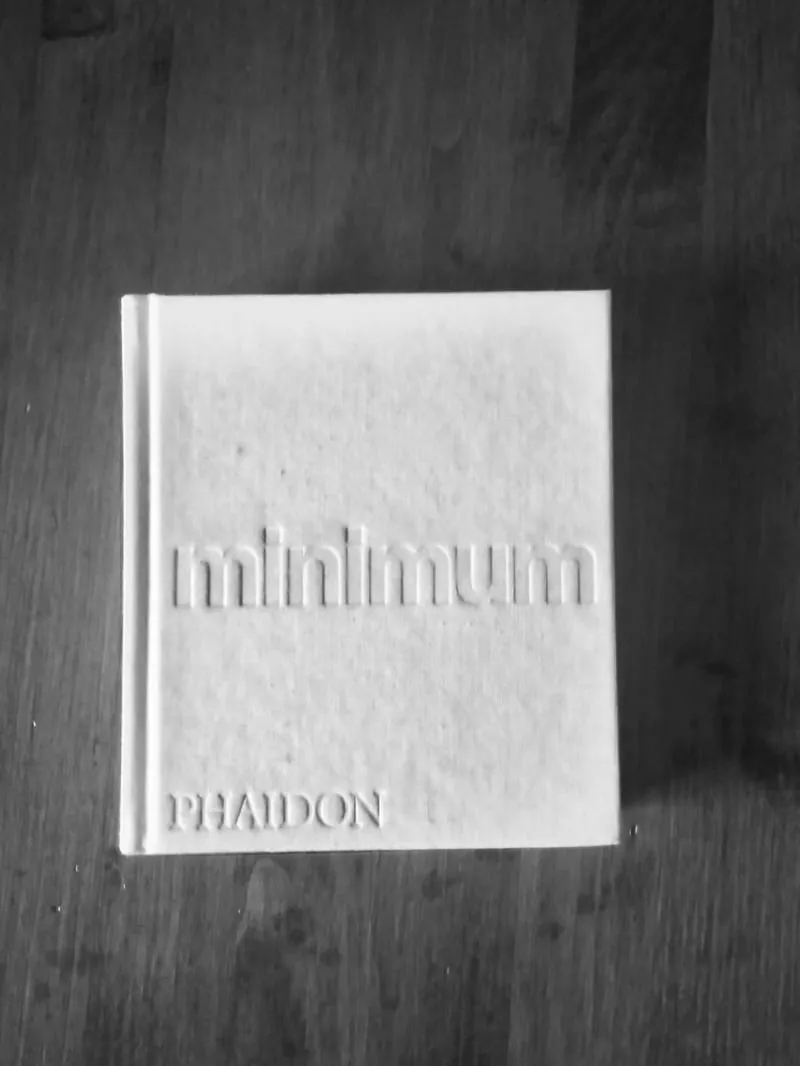
John Pawson explains how an object is no longer “improved by subtraction.” The book aims to be a celebration of a research approach applicable to all aspects of existence, from architecture to everyday life. Following an explanatory essay by the author are photographic chapters divided into structural morphologies that define the essence of “minimalism,” transcending the concepts of category, scale, and history.
M. Levy and M. Salvadori, “Why Buildings Collapse,” Bompiani Publishing, 1997
This unusual book aspires to appeal to both a professional audience and those unfamiliar with the subject matter. The result is remarkable. The book recounts the stories of the collapses of some of the most famous buildings of the past, using simple language that is always rich in detail, keeping the reader engaged.
Archea Associati, “Cantina Antinori: A History of the Construction of a New Landscape,” Forma edizioni, 2012
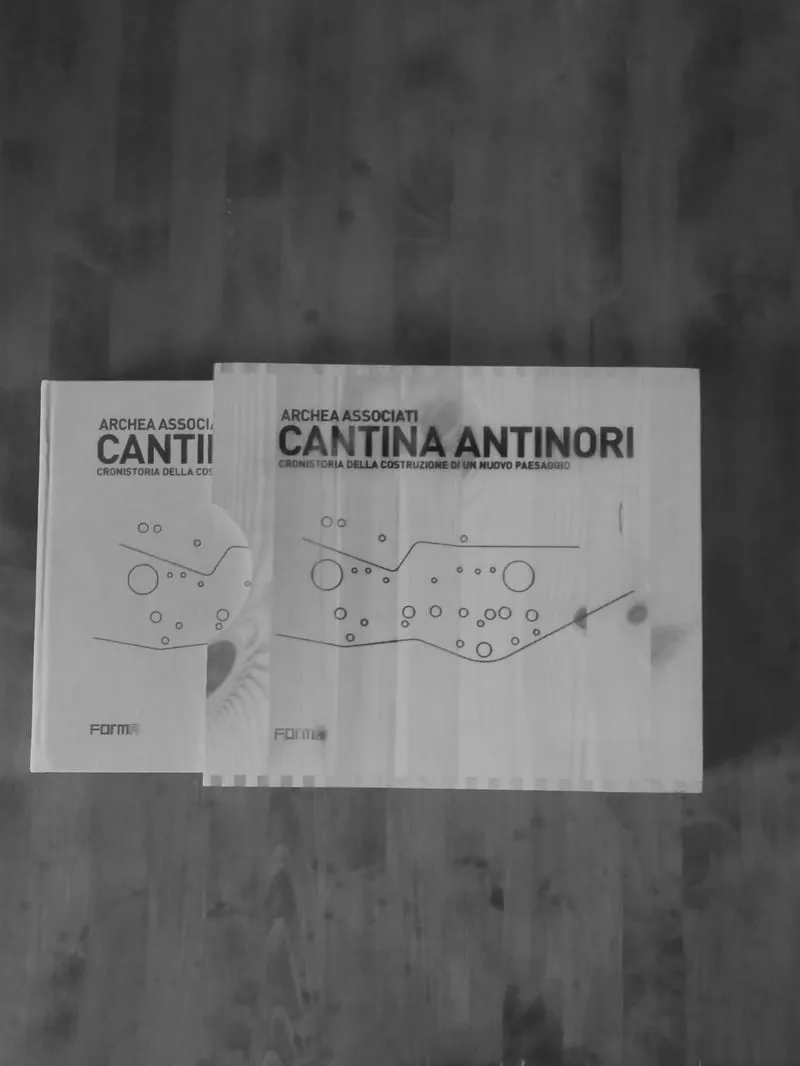
As Marco Casamonti points out, “Antinori cellars is a project that you don’t see, but it serves to help you see.” The book explains the reasons behind and the execution of a project meticulously designed in its relationship with the surrounding landscape. The photographs and details work together to reveal a new approach to intervening in places with a strong and established identity.
C. Brandi, “Theory of Restoration,” Einaudi, 2000
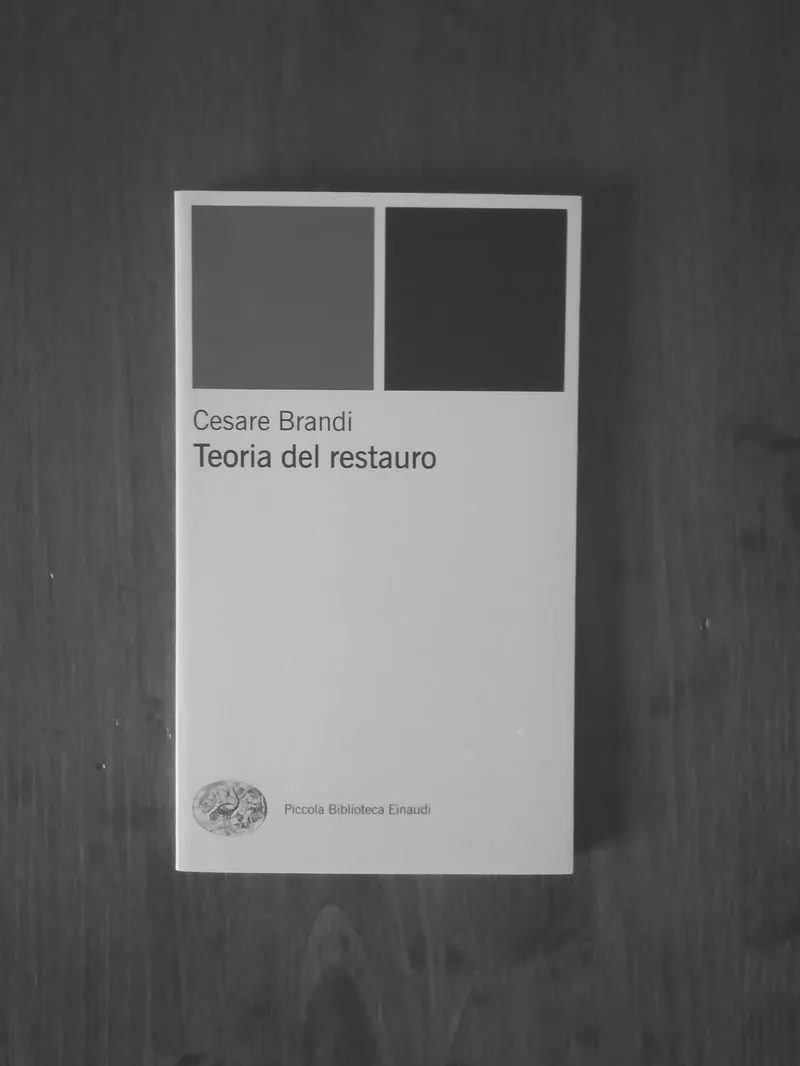
Cesare Brandi encapsulates the essence of a concept of “restoration” in a small volume, presenting a definitive and insightful interpretation of the subject matter. The author describes, with a strong theoretical framework, the attitude that a restorer should adopt, shaping their awareness within the context of historical understanding and aesthetic appreciation of the artwork. This is a book that should be in the library of any professional.
P. C. Pellegrini, “Architecture and Designs,” Skira Publishing, 2007
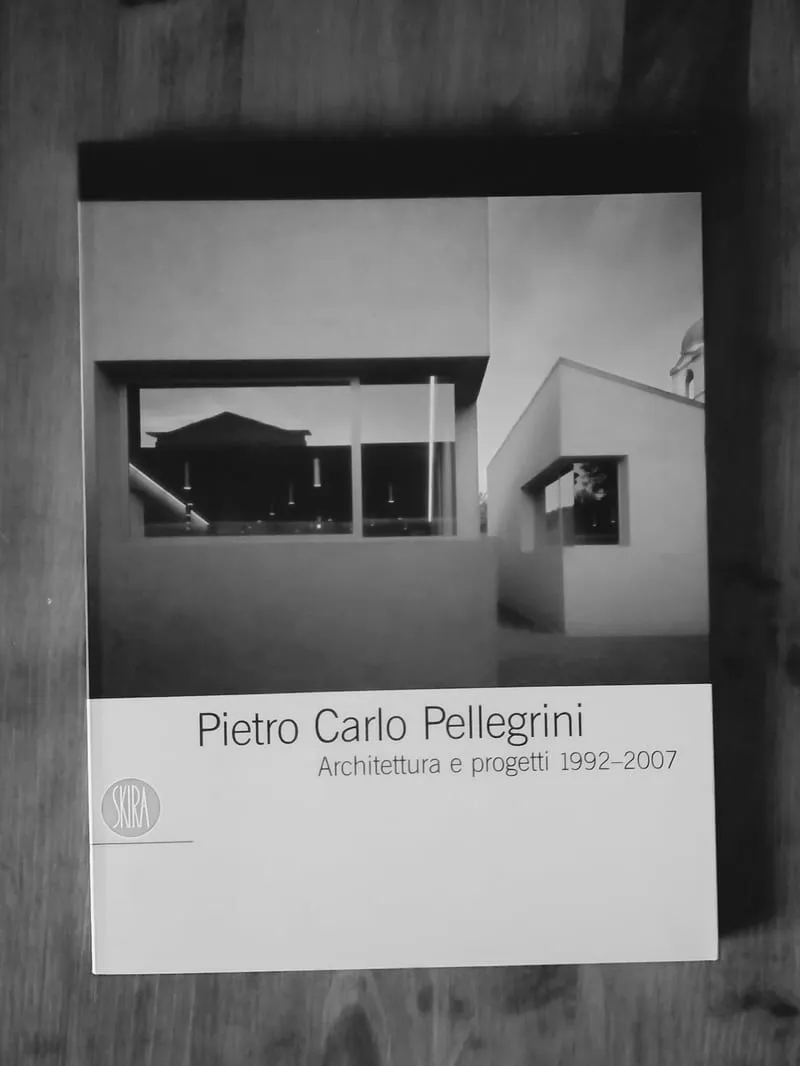
This collection showcases the work of an architect who places humility and a craftsman’s approach at the core of their practice. The reader will appreciate both their sensitivity to existing structures and their skillful use of contemporary language, embodying the most refined vision of the Italian architect – one who sees in the richness of history an opportunity for dialogue.