16th Architecture Biennale: Dimension of Citizenship
Riccardo Bartali · · Automatically translated from Italian
On May 24th and 25th, we had the privilege of previewing the 16th International Architecture Exhibition, one of the most prestigious architecture showcases in the world. We’ll share our detailed opinions on some of the 71 national pavilions that you can visit. In this episode, we’ll discuss the unexpected surprise that was the American pavilion.
“At a time when the expansion of the United States-Mexico border wall overshadows more complex discussions about national citizenship, it is crucial for architects and designers to consider what it means to be a citizen in the present day.” [1]
In response to the pavilions that showcase the beauty of their respective countries, and to the more hesitant expressions of “#freespace” from countries exploring how architecture should return space to people and foster connections between communities, the vibrant, almost aggressive, and deliberately provocative green-fluo space curated by Niall Atkinson, Ann Lui, and Mimi Zeiger demonstrates that there is still much to be said, questioned, and done. Commissioned by the University and the School of the Art Institute of Chicago, it brings art and architecture back to the center of the debate about individual identity, along with all the paradoxes inherent in the definition of “citizen” and its associated requirements: questions of rights, responsibilities, and attachment to the built environment.
Everything unfolds quietly, within the rooms, analyzing fragments of cultures, stories, conservation projects, and geographical considerations, culminating in the science fiction of an unlikely comic book, where animals are sent into space and, a thousand years later, return to reclaim their land. This exploration is structured through seven deductive levels of a dimensional spiral: Citizen, Civitas, Region, Nation, Globe, Network, and Cosmos.
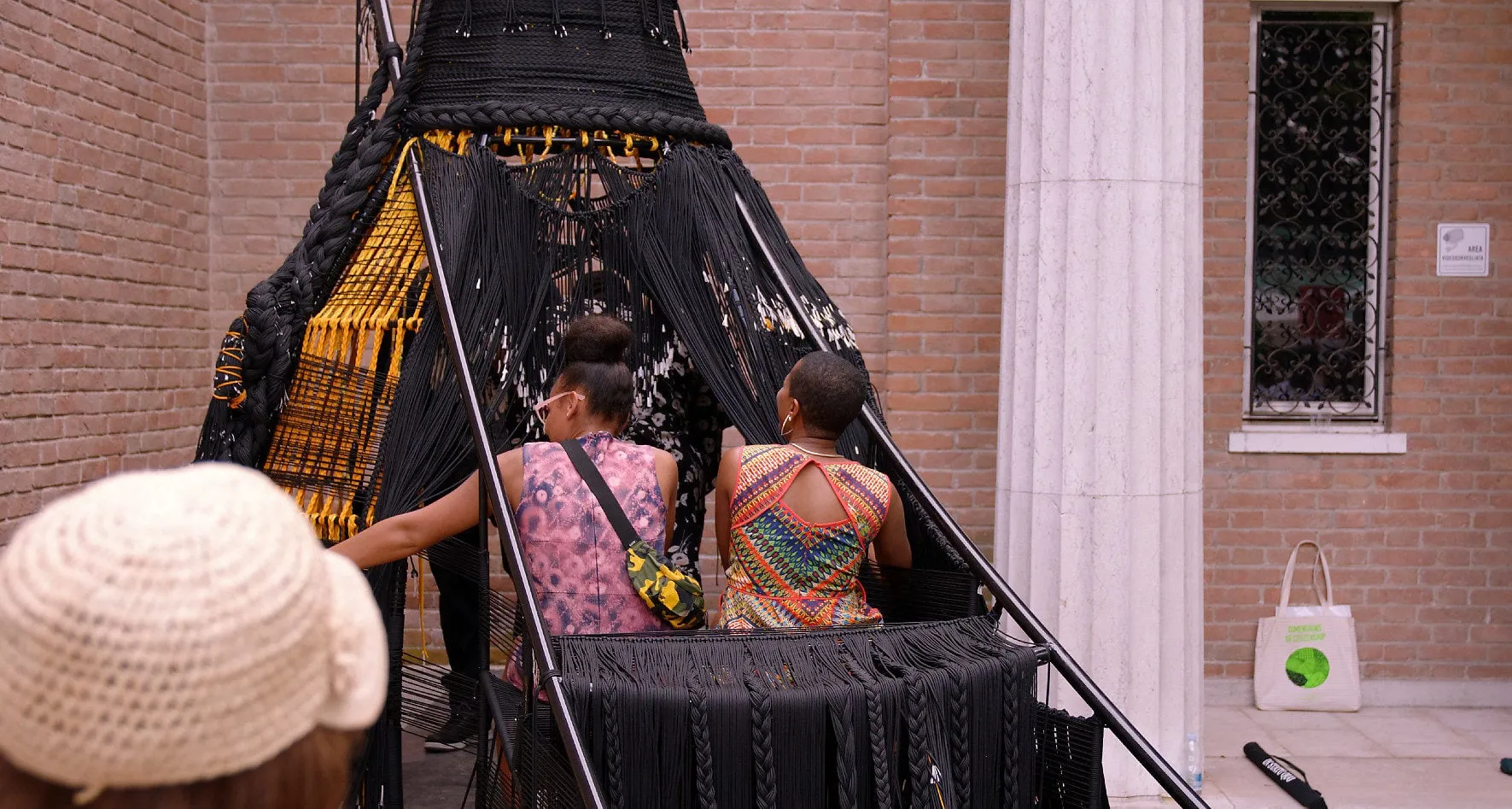
The Citizen represents the threshold of individuality, encompassing responsibilities and rights, and the physical dimension that separates us. In the courtyard of the pavilion, within the confined space of a mobile structure, two African American artists, Amanda Williams + Andres L. Hernandez, reveal the abyss that separates us, exposing many of the hypocrisies of contemporary society, and the traditions that people have had to abandon simply to become citizens, while their bodies are still perceived as “different.”
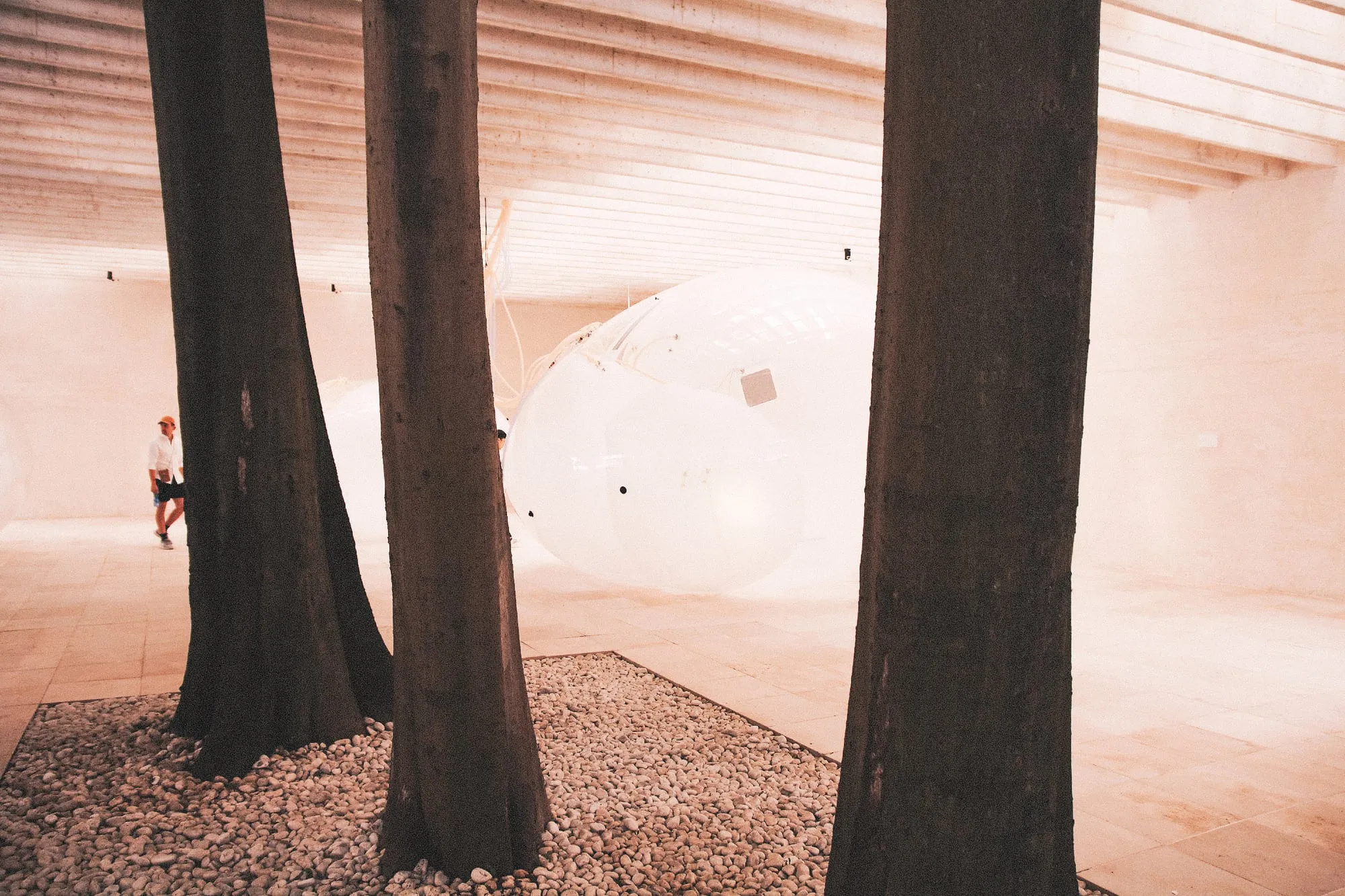
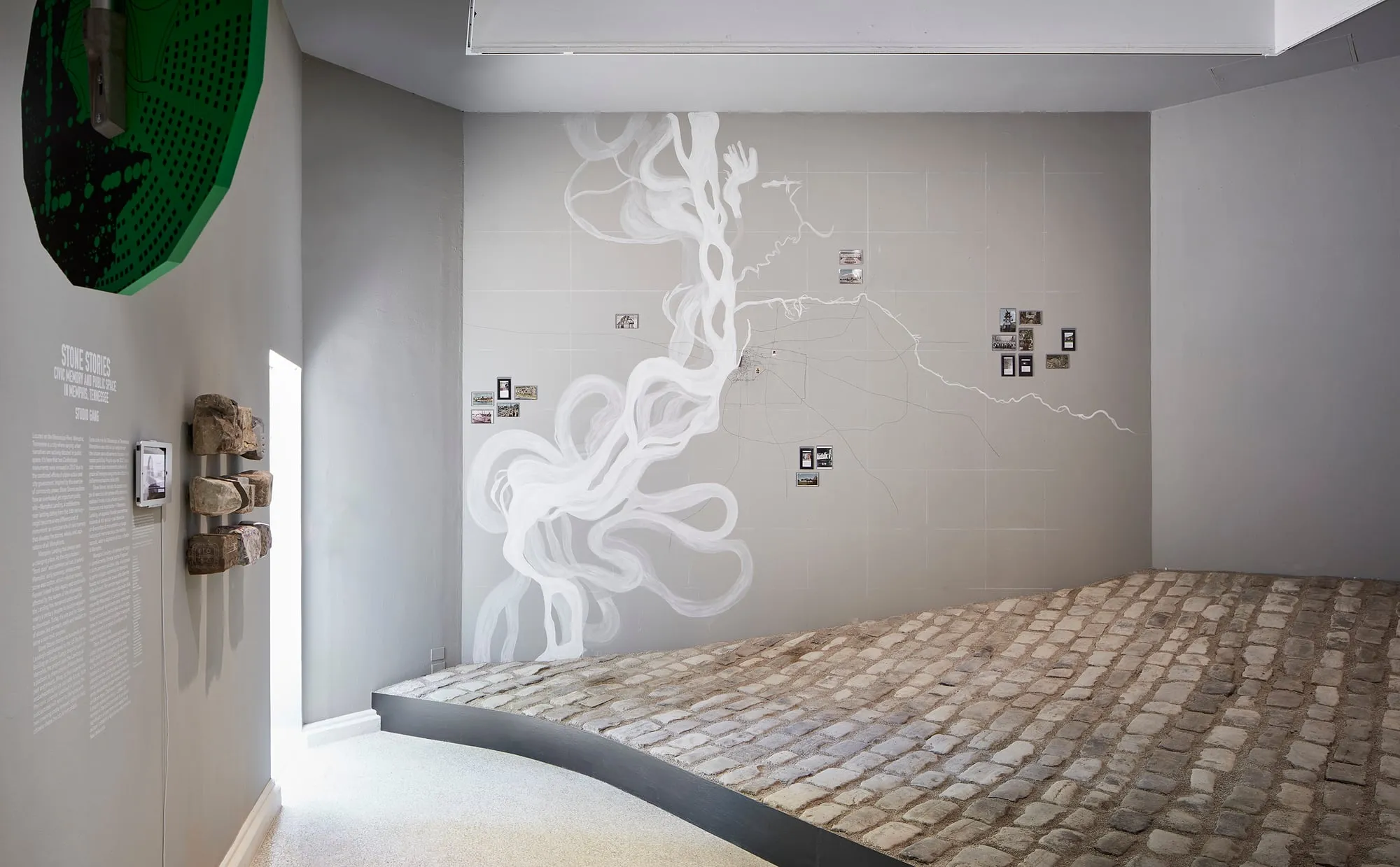
Inside the structure, the Civitas section addresses the historical context of the city of Memphis, Tennessee, where two Confederate monuments were removed in 2017, and the paving stones from the site were brought inside the Biennale, prompting us to question the value of monuments in the present day – a recurring question from Siegfried Giedion’s A Short History of Modern Architecture.
1— Monuments are milestones […], serving as a link between the past and the future.
2— […], monuments must fulfill the enduring aspiration of the people to express their collective energy through symbols. [2]
And even today, there is no definitive answer, only a sense of unity and shared spirit.
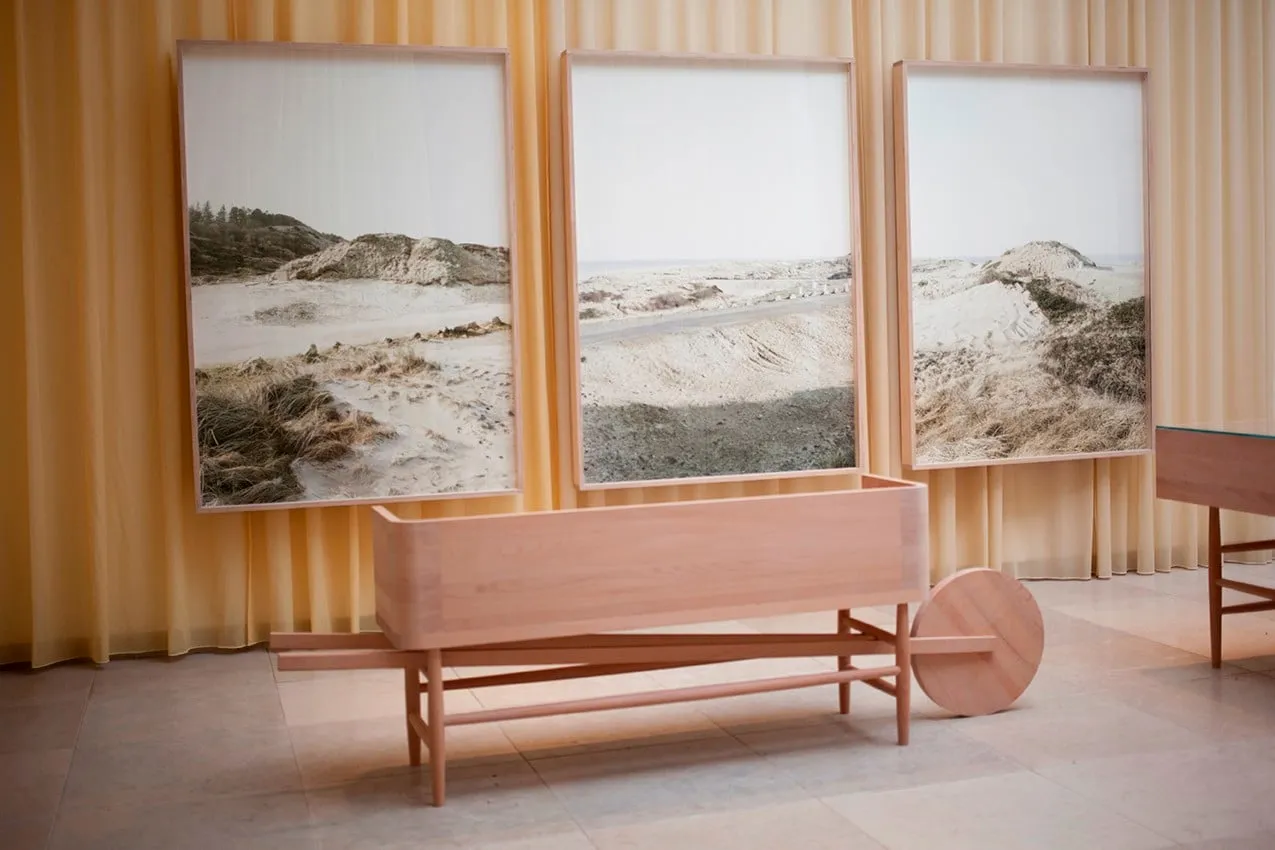
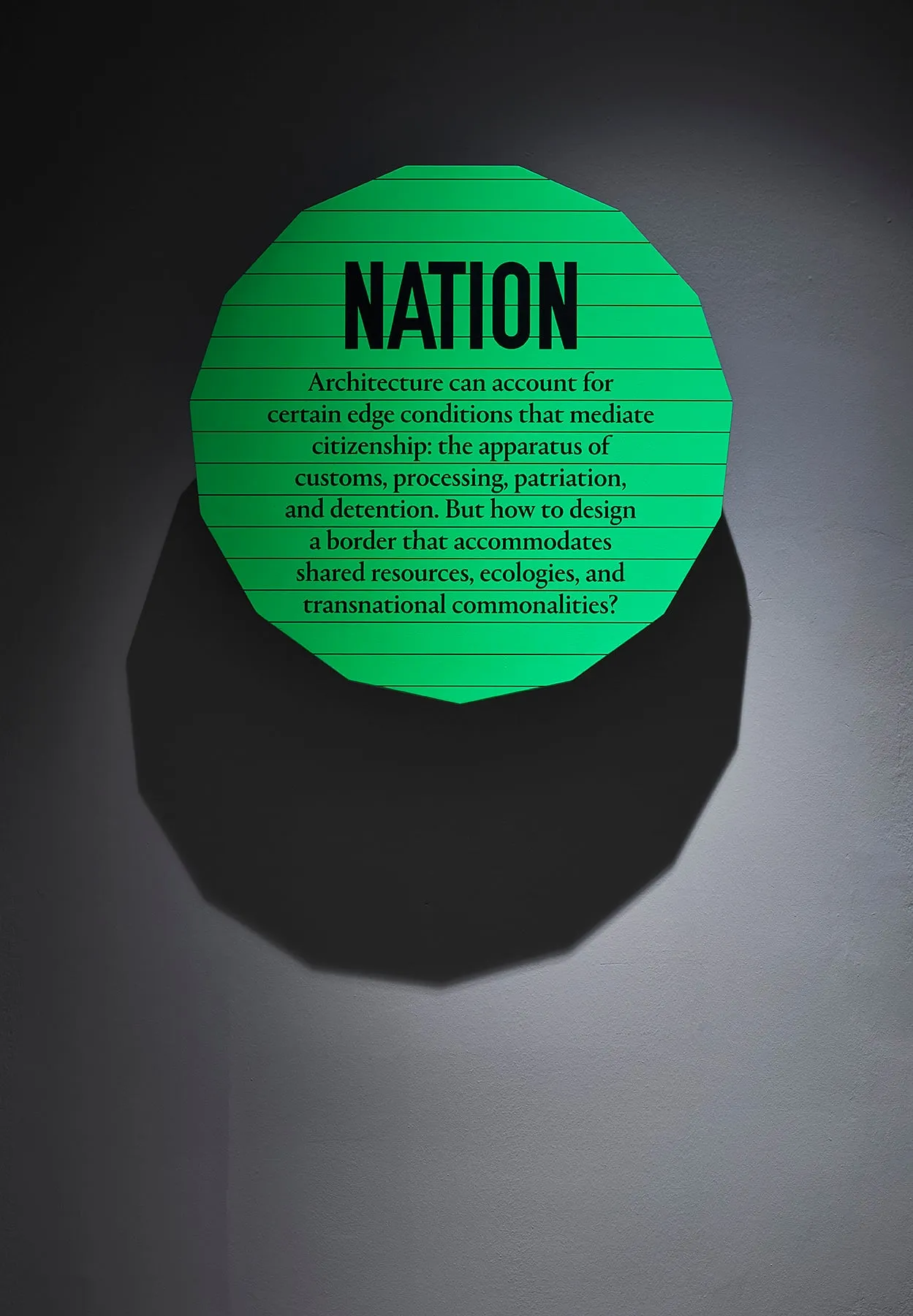
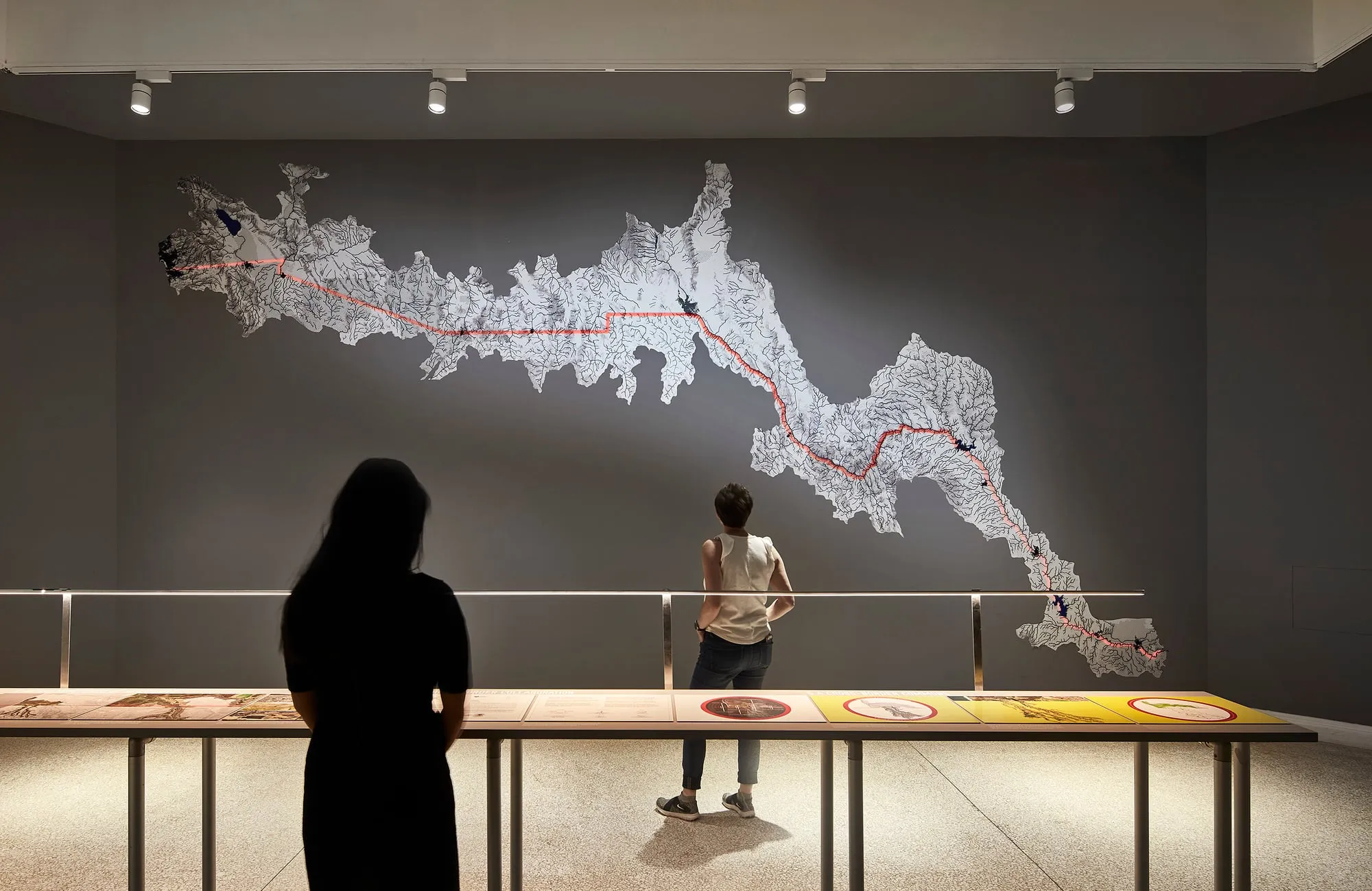
Then there’s Region and SCAPE, a project addressing the fight against erosion, followed in the adjacent room by the long tapestry of MEXUS, an acronym generated by the union of Mexico and USA, representing a hypothetical territory of citizenship for a mixed culture, a reality full of complexities beyond simple violence and administrative recognition, transcending borders, and raising questions about the recognition of citizenship and Nation.
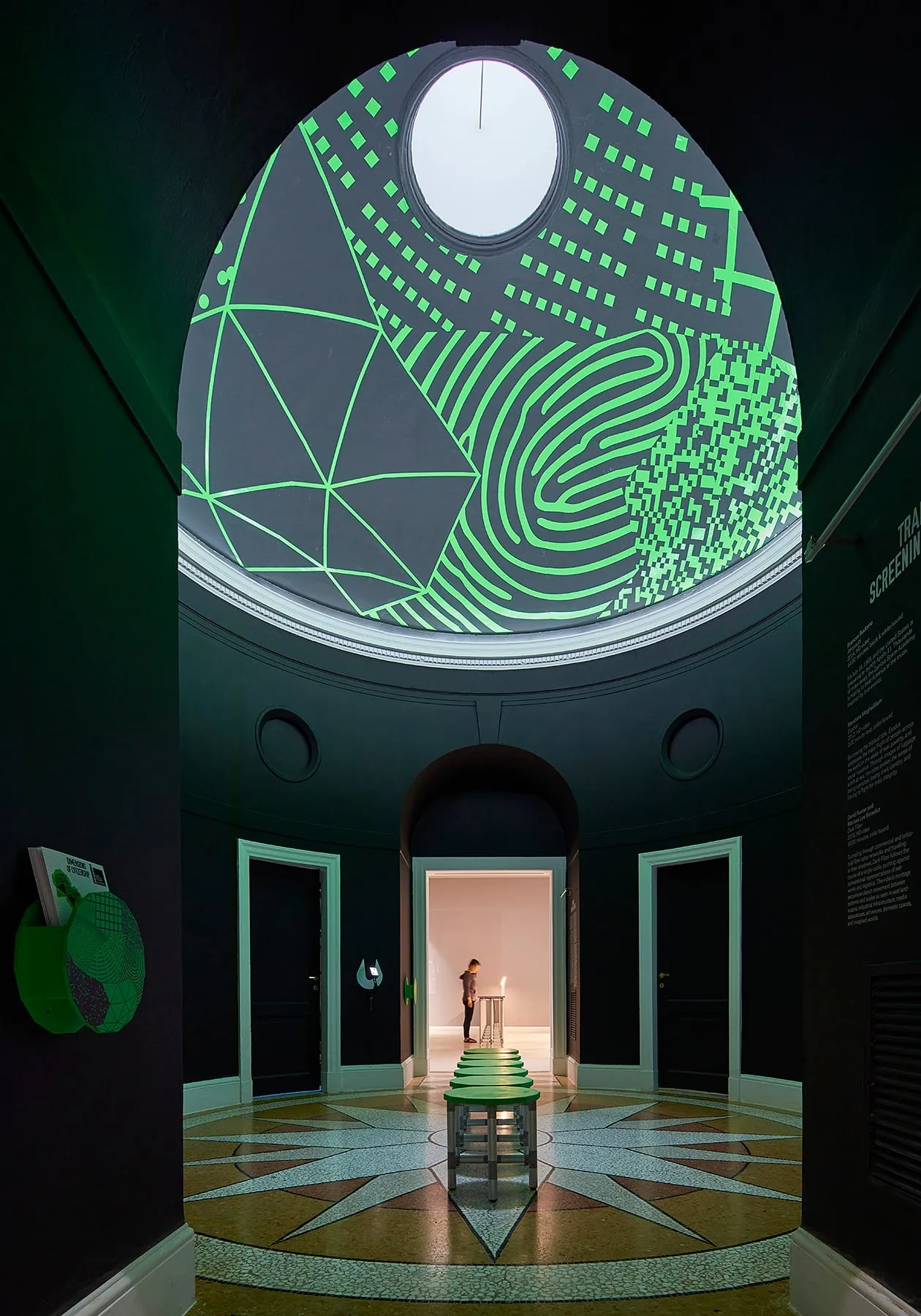
Globe and Network expand the scale to encompass the entire world and the internet, an infinite space where the concept of citizenship, along with identity, may be lost, transforming us into a series of IP addresses used to locate us and turning us into digital individuals.
Finally, we arrive at a tragic future, almost reminiscent of Noah’s Ark, with Cosmos, where citizenship is a right for all, and animals sent into space return after millennia, hyper-evolved, having developed a critical consciousness, to reclaim what is rightfully theirs.
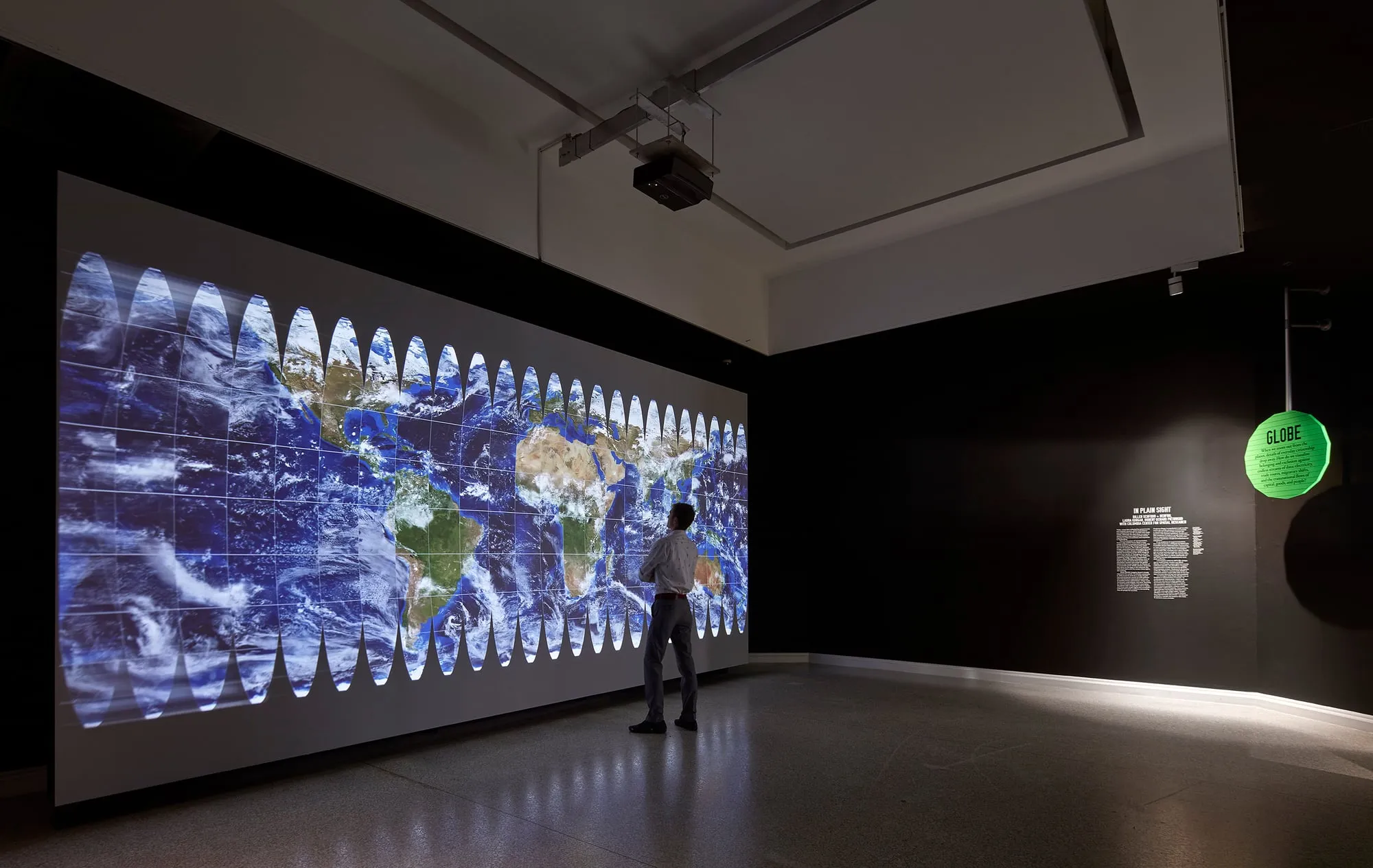
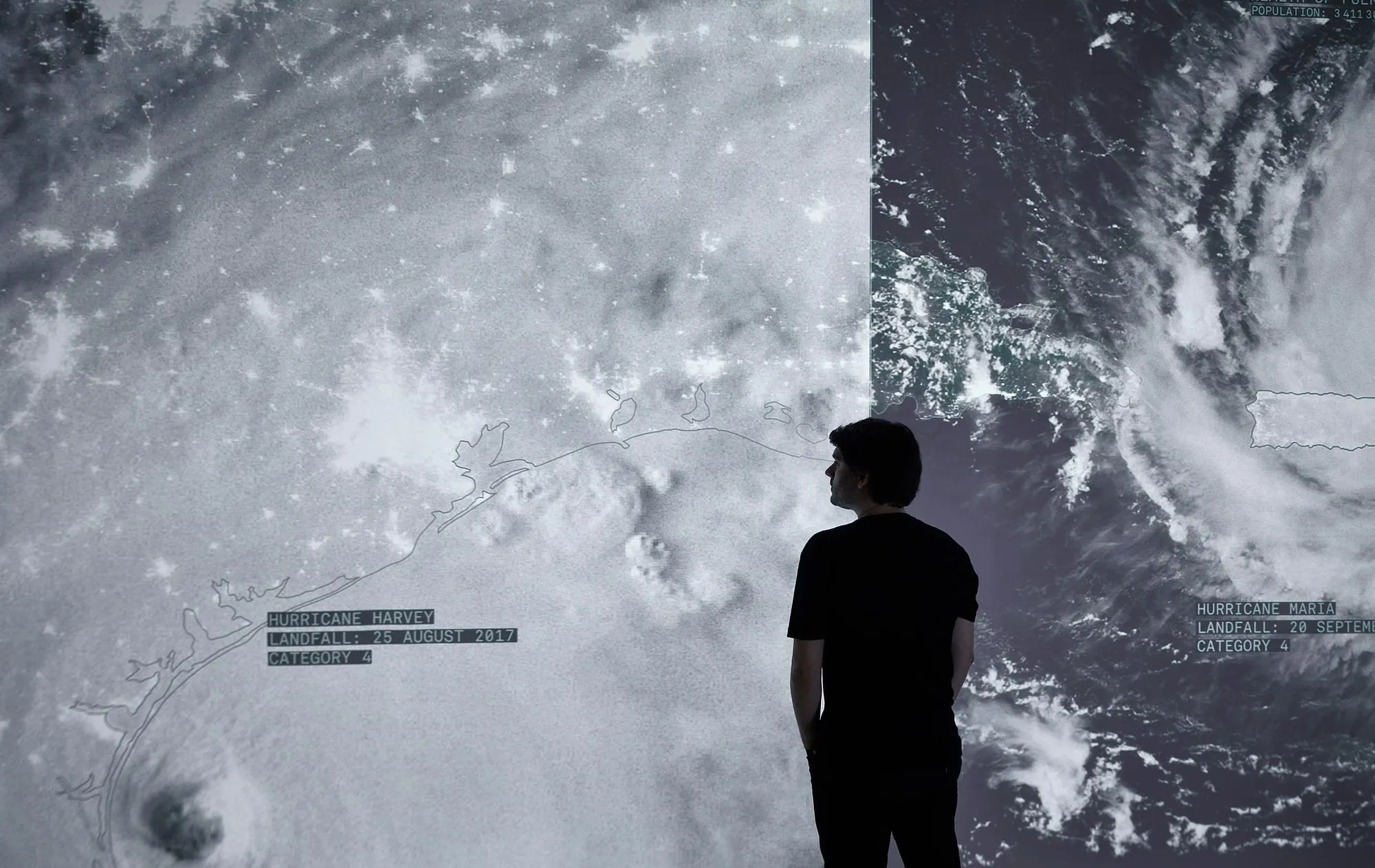
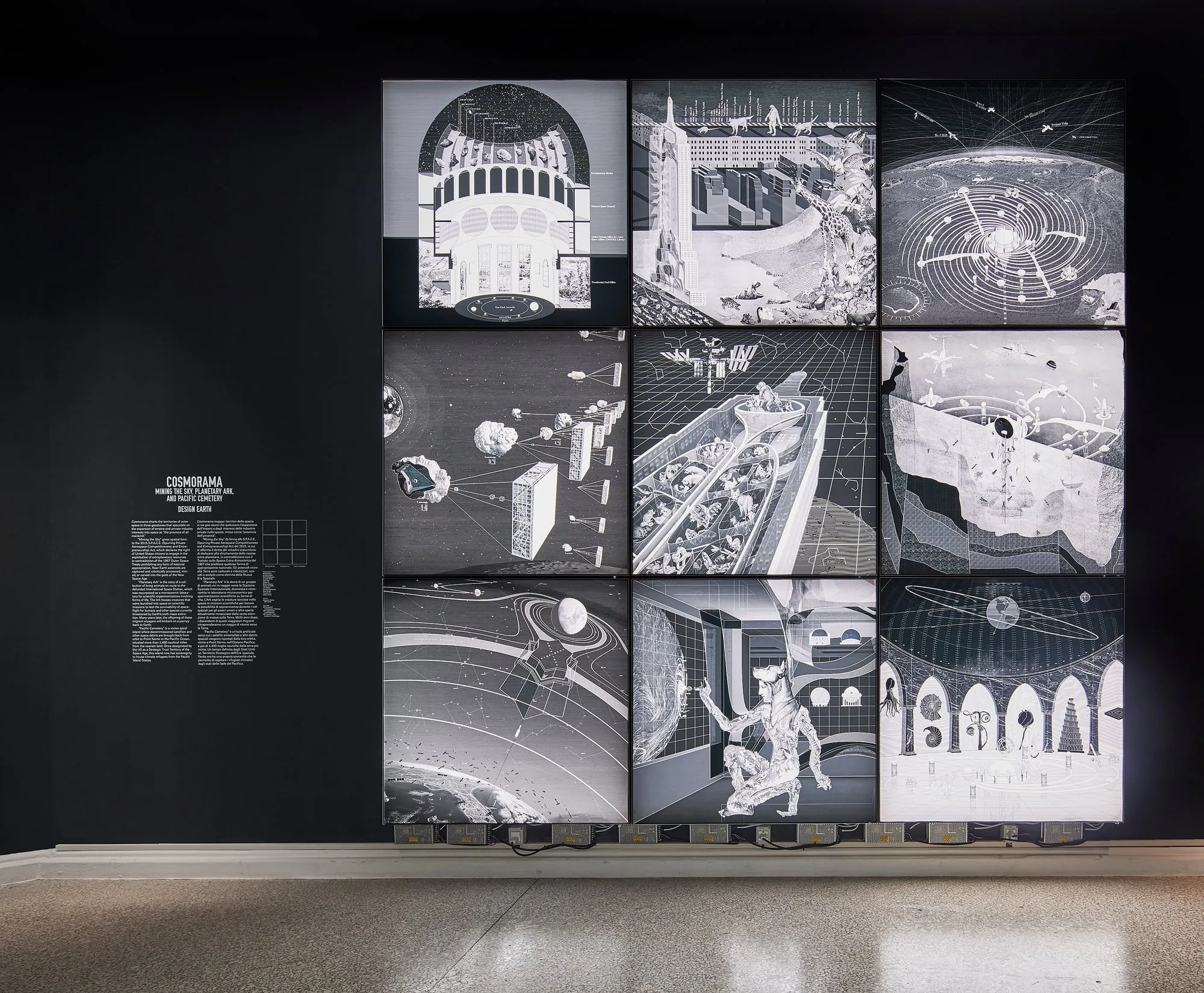
The author believes that the role of architecture is to engage in politics, to ask questions, to solve problems, to unite people, and not to divide them. The American pavilion, with its stories drawn from a thousand cases and a thousand different sources, is one of the strongest at this edition of the Biennale, one of the most impactful and provocative, forcing us to ask questions about the future of architecture, its theory, and the profession of a practice that increasingly looks inward. A pavilion that we appreciate. Rating: 10
[1]: http://dimensionsofcitizenship.org/
[2]: S. Giedion, Abridgement of Architecture, edited by Carlo Olmo, Bollati Boringhieri, 2008, Turin. All images are © Tom Harris – Courtesy of the School of the Art Institute of Chicago and the University of Chicago